EXTERNAL WALL INSULATION
39 products
Showing 1 - 39 of 39 products
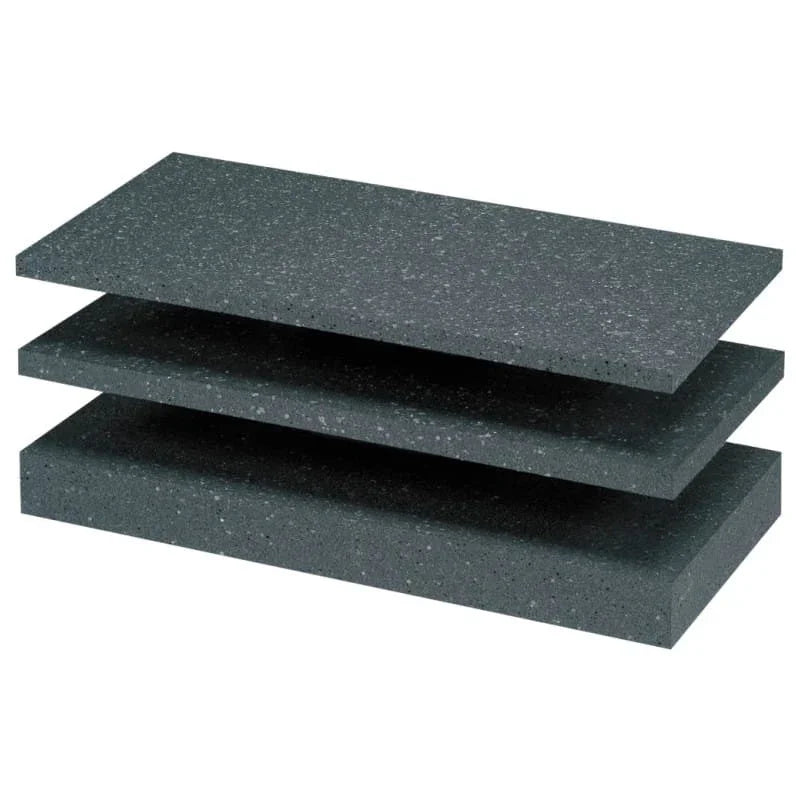
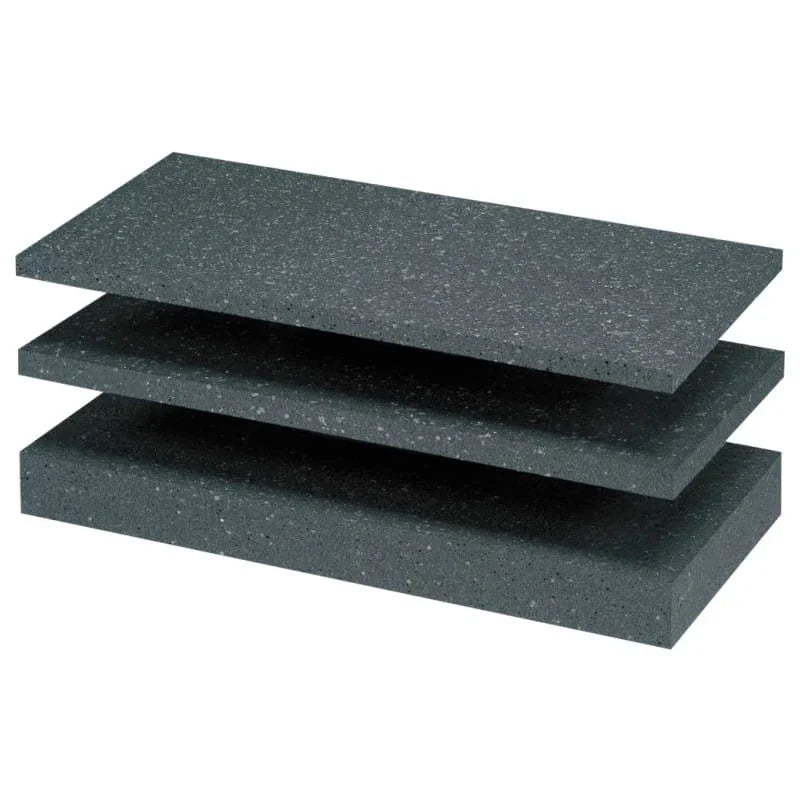
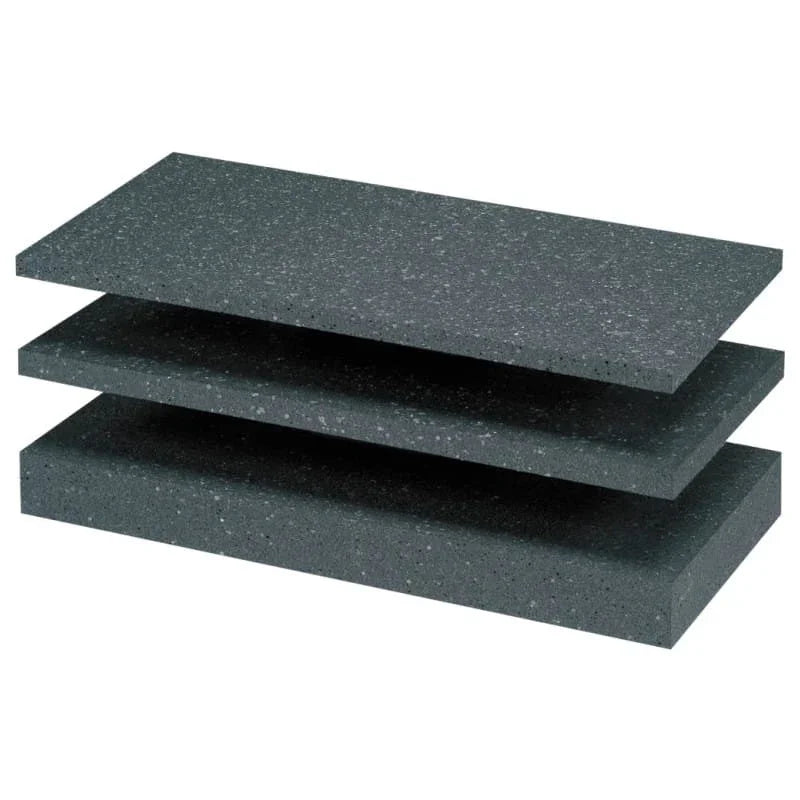
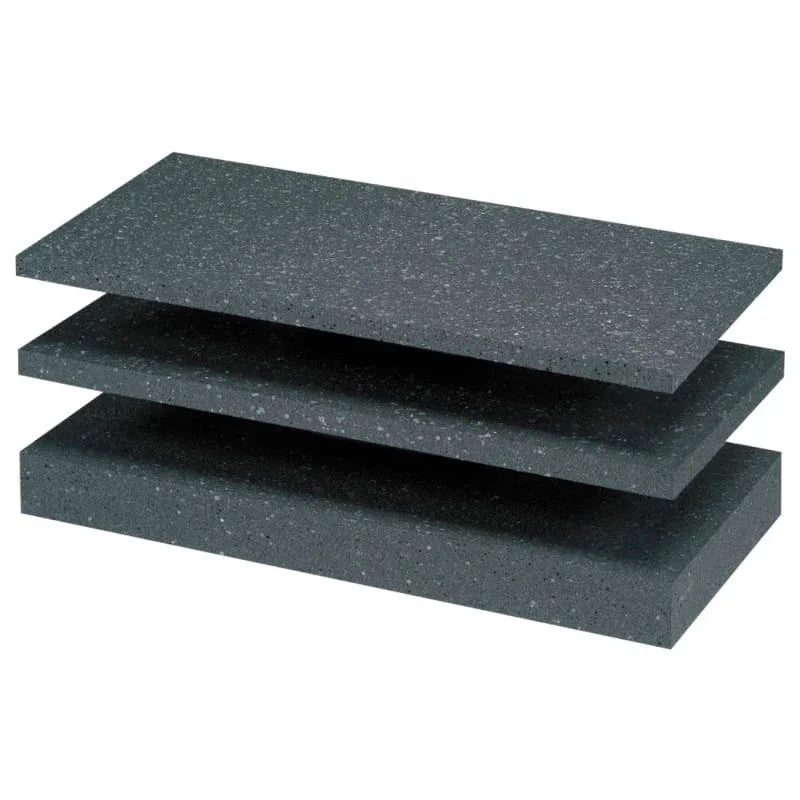
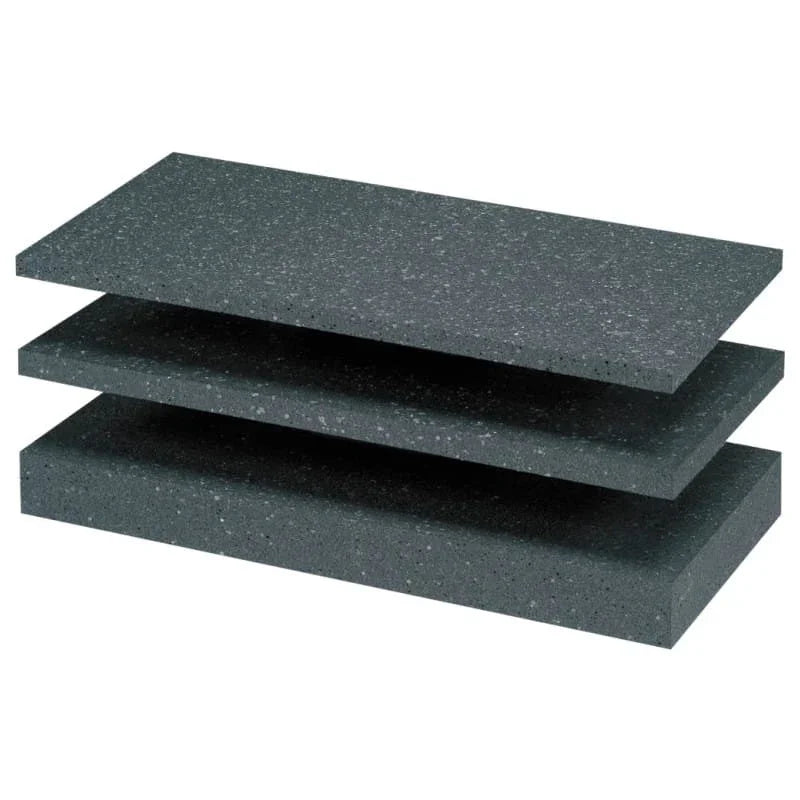
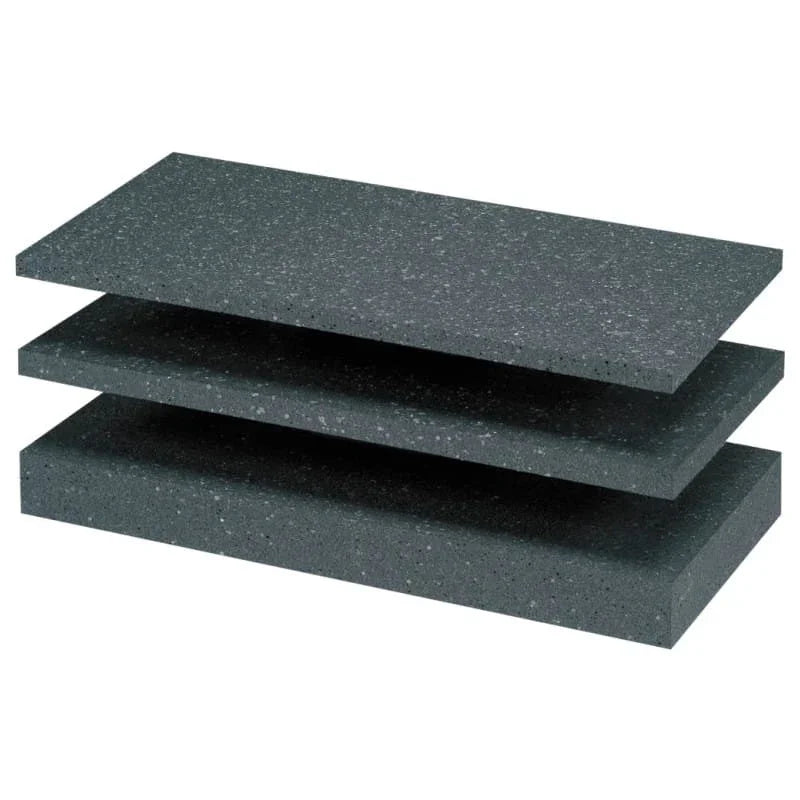
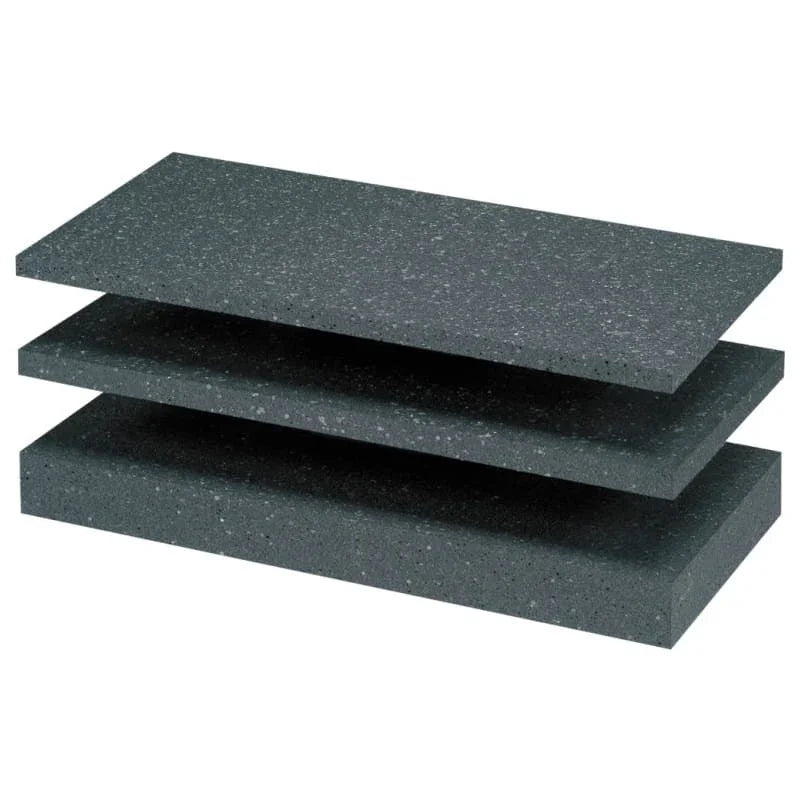
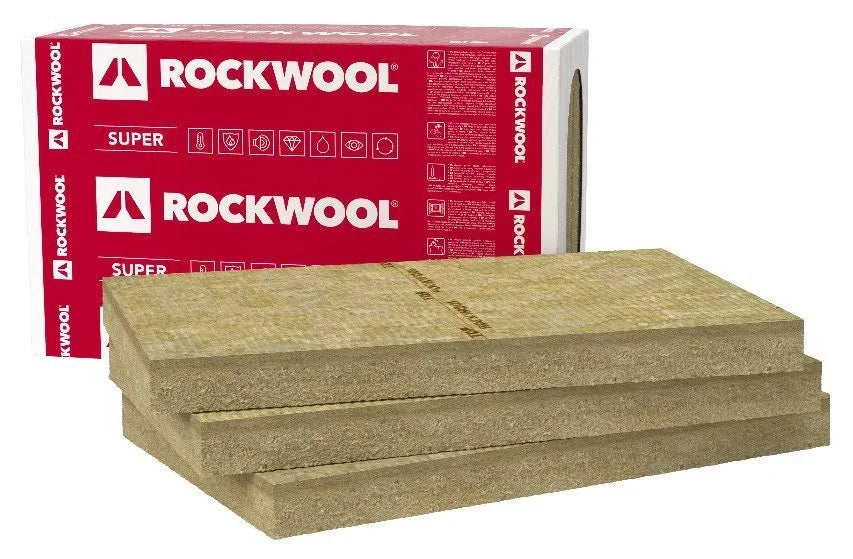
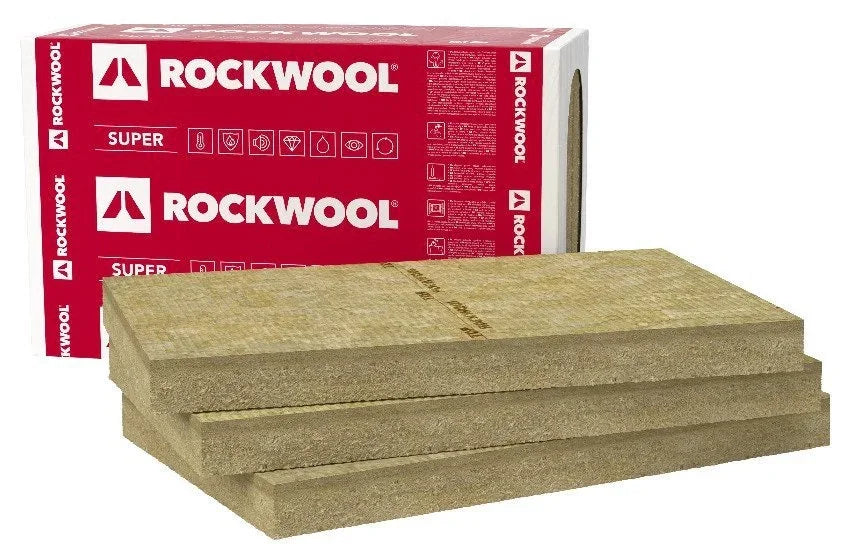
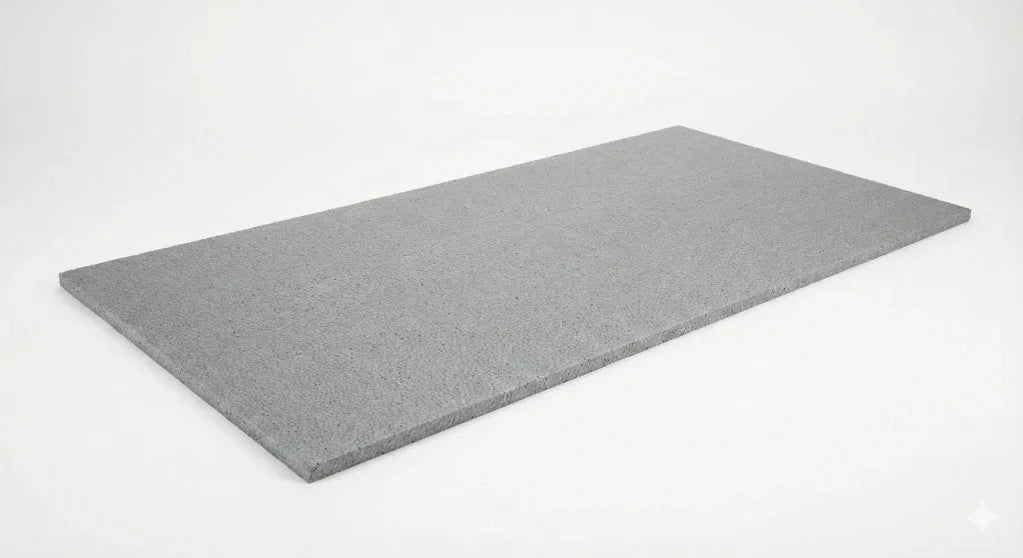
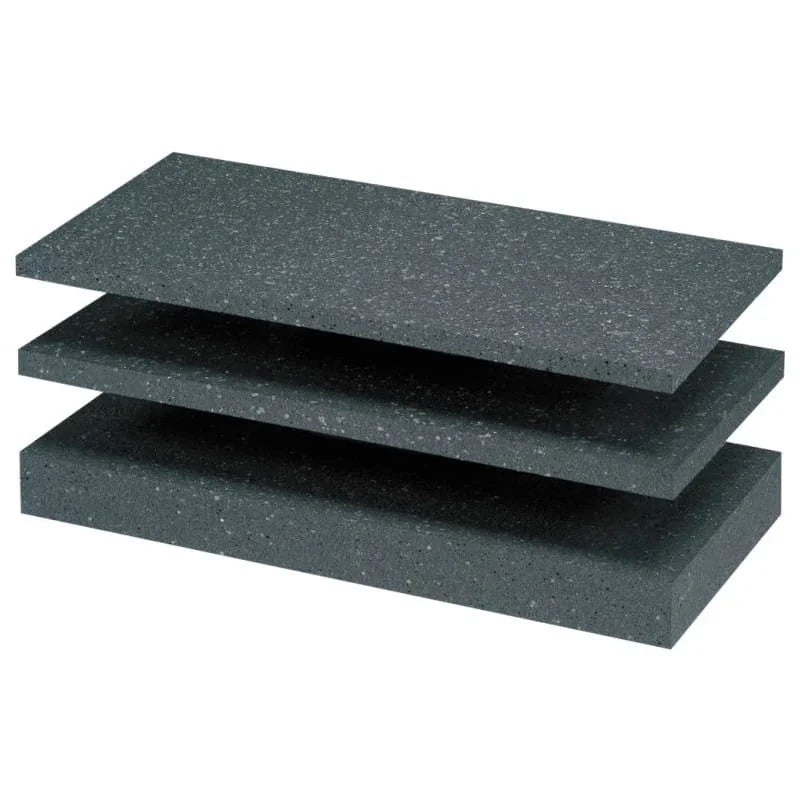
External wall insulation is the single most effective fabric upgrade available to UK property owners, and Renders World is an official UK distributor for Atlas, Ceresit, Genderka, and Rockwool — the manufacturers behind the insulation cores, adhesives, fixings, and render finishes that build a certified thermal envelope. Eleven graphite EPS thicknesses at λ 0.031 W/mK, six Rockwool slab specifications, the full LTX plug range from 70 mm to 220 mm, and pre-configured per-m² system bundles all sit in UK warehouse stock for next-working-day dispatch.
What External Wall Insulation Covers and When UK Projects Need It
External wall insulation is a specified, certified system rather than a single product — five integrated layers wrapped around the outside of a building at typical wall U-values from 2.1 W/m²K down to around 0.18 W/m²K, the kind of step change that registers on an EPC and on a heating bill in equal measure. The wider Renders World range covers rendering, beads and mesh, and EWI as three locked-together silos, and this hub focuses on the five components that build the thermal envelope itself: an insulation core, the adhesive and fixings that hold it to the substrate, a reinforcing basecoat with embedded mesh, a primer, and the render finish that closes the wall to weather.
The trigger for an EWI specification varies by project type. Retrofit work on Victorian and Edwardian solid-wall stock uses external insulation because internal insulation steals floor area and disturbs cornices, skirtings, and original plaster. New-build and deep-retrofit projects use it to hit Part L wall U-values without thickening the masonry, with the forthcoming Future Homes Standard tightening targets further from 2026 onwards. Funded programmes — including the Warm Homes Plan and successors to ECO4 — use it because it delivers measurable kWh savings auditable under PAS 2035.
Across all three project types, the same five collection groups apply: insulation core, fixings, render finish, beads and mesh, and the system bundle that ties them together. The selection table below maps each insulation route to its primary use case and standout specification.
Why Trade Specifiers Source Full EWI Systems From Renders World
- Direct UK distribution from named manufacturers: official partner for Atlas, Ceresit, Genderka, and Rockwool — components arrive with full BBA, EN, and DoP documentation rather than re-badged through intermediate channels, supporting cleaner PAS 2035 audit trails and faster Building Control sign-off.
- Stockholding model, not back-to-back ordering: eleven graphite EPS thicknesses, six Rockwool slab specifications, the full LTX plug range from 70 mm to 220 mm, and pre-configured system bundles all sit in the warehouse — multi-property retrofit programmes do not stall waiting on a 100 mm pallet from Poland.
- One supplier across the full envelope: insulation core, adhesive, basecoat, mesh, fixings, primer, and decorative render sourced from a single account — eliminating component-compatibility risk and reducing procurement administration on large programmes.
- Technical desk on every specification: project-specific U-value calculations, board-thickness selection for Part L compliance, and cross-silo compatibility checks handled before the first pallet ships — so materials arrive confirmed-fit for the substrate they are designed to bond to.
- Per-m² bundle pricing for clean budgeting: Basic, Standard, and Premium EWI system bundles priced per square metre put the whole envelope on a single line item — particularly valuable on retrofit programmes where procurement complexity scales with property count.
- Trade pricing on volume orders: bulk pricing applies across the EWI silo for orders above standard pack quantities, with multi-pallet discounts on insulation boards and fixing accessories for multi-property contracts.
- Full knowledge hub behind every spec: regulatory guides, technical articles, and substrate-specific detailing in the Renders World knowledge hub support specifiers from initial U-value calculation through to Building Control sign-off.
Selection Guide — Choose Your EWI Route in 30 Seconds
How to use this table: identify the project type, read across to the matching insulation route, then click through to the collection page for product-level specification, pricing, and pack data.
| Project Type | Insulation Route (link) | Standout Spec |
|---|---|---|
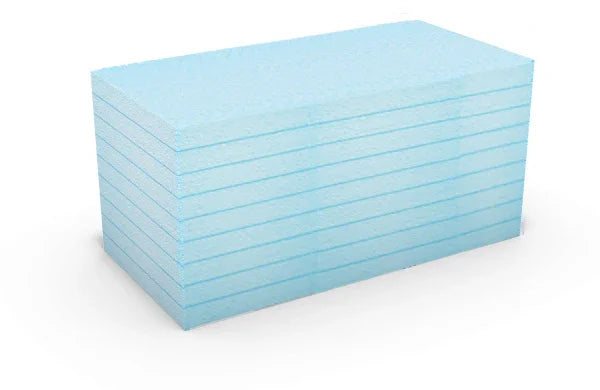
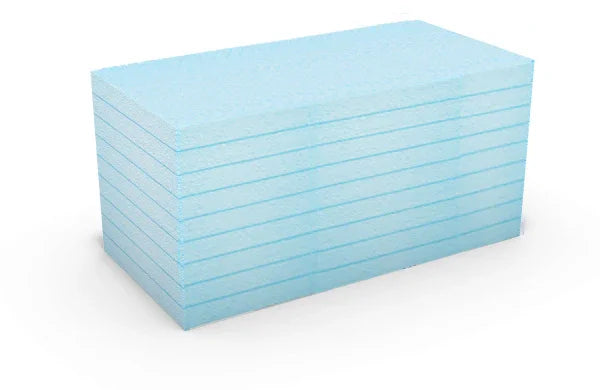
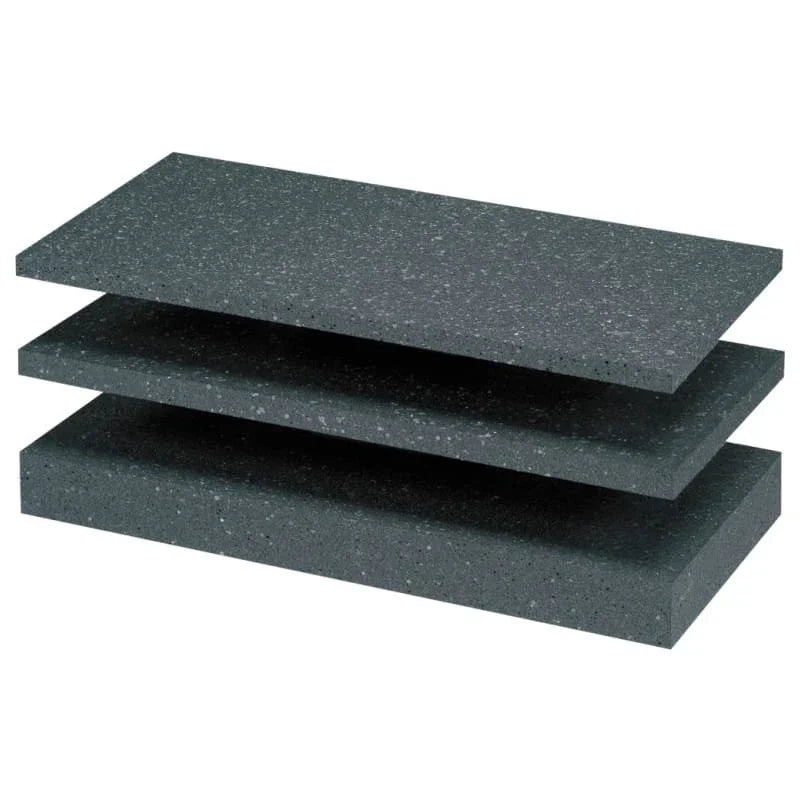
| Solid-wall retrofit below 18 m, Part L target | Graphite EPS Boards | λ 0.031 W/mK · 11 thicknesses 10–200 mm · Euroclass E |
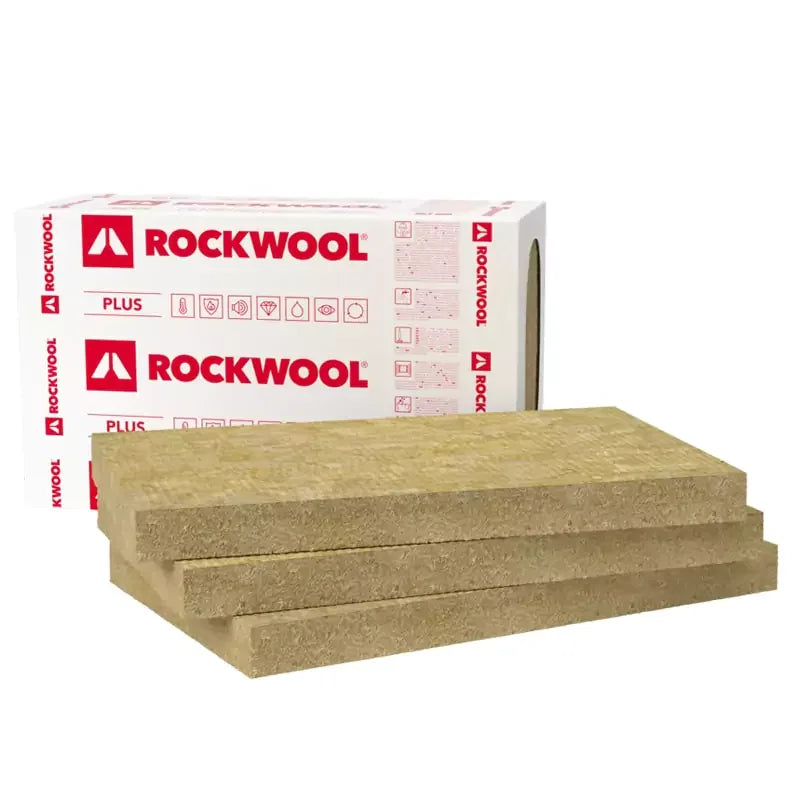
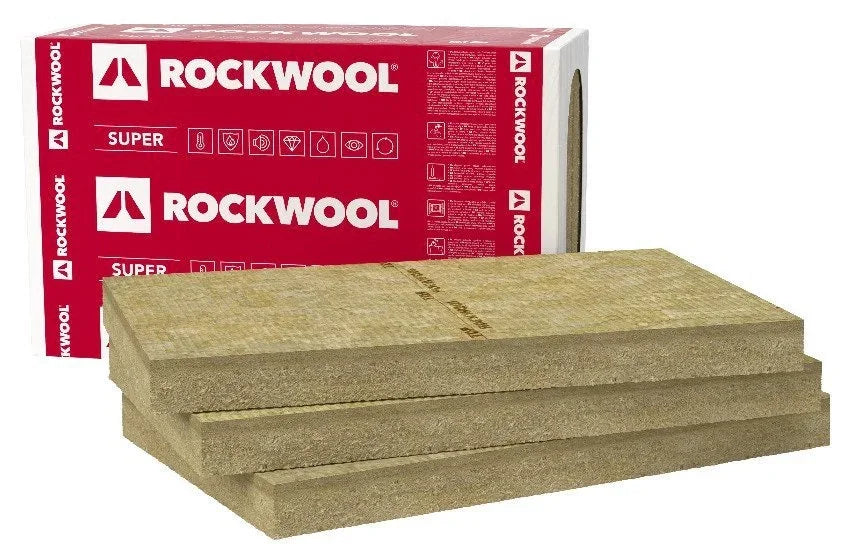
| Fire-strategy requires non-combustible insulation | Rockwool Mineral Slabs | λ 0.034–0.036 W/mK · Euroclass A1 · vapour-open |
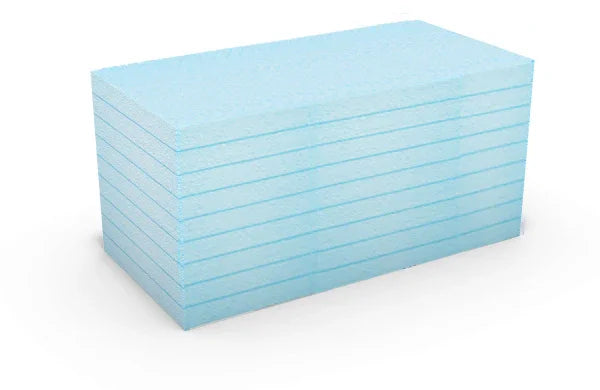
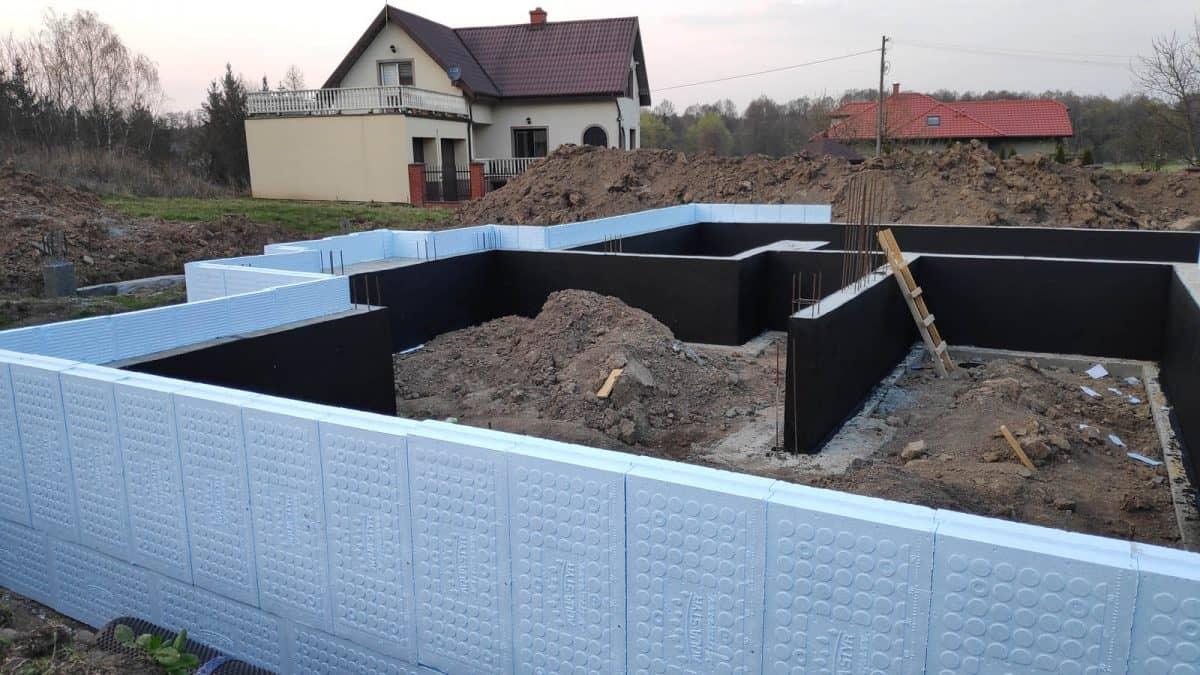
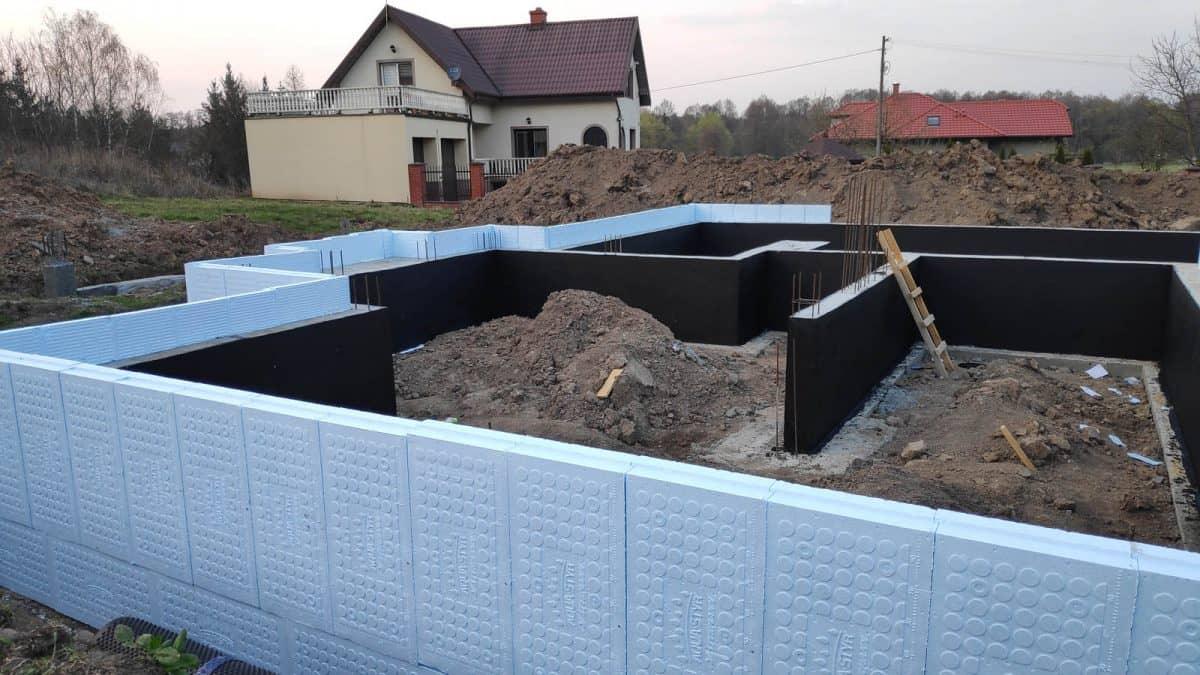
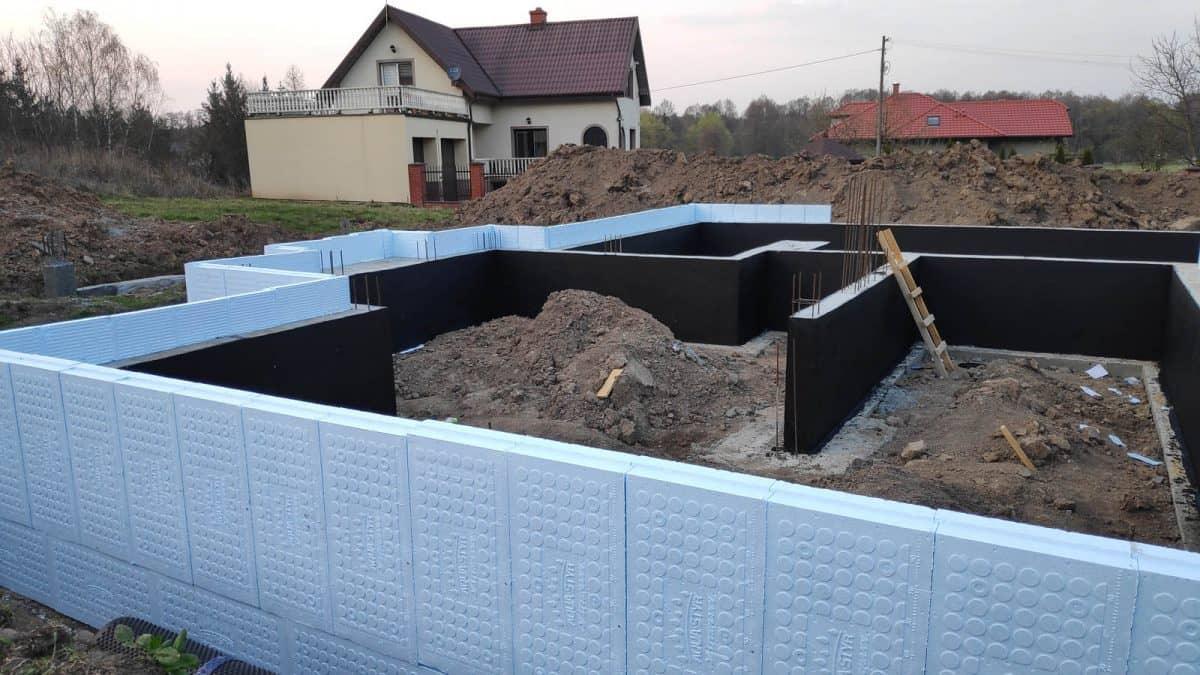
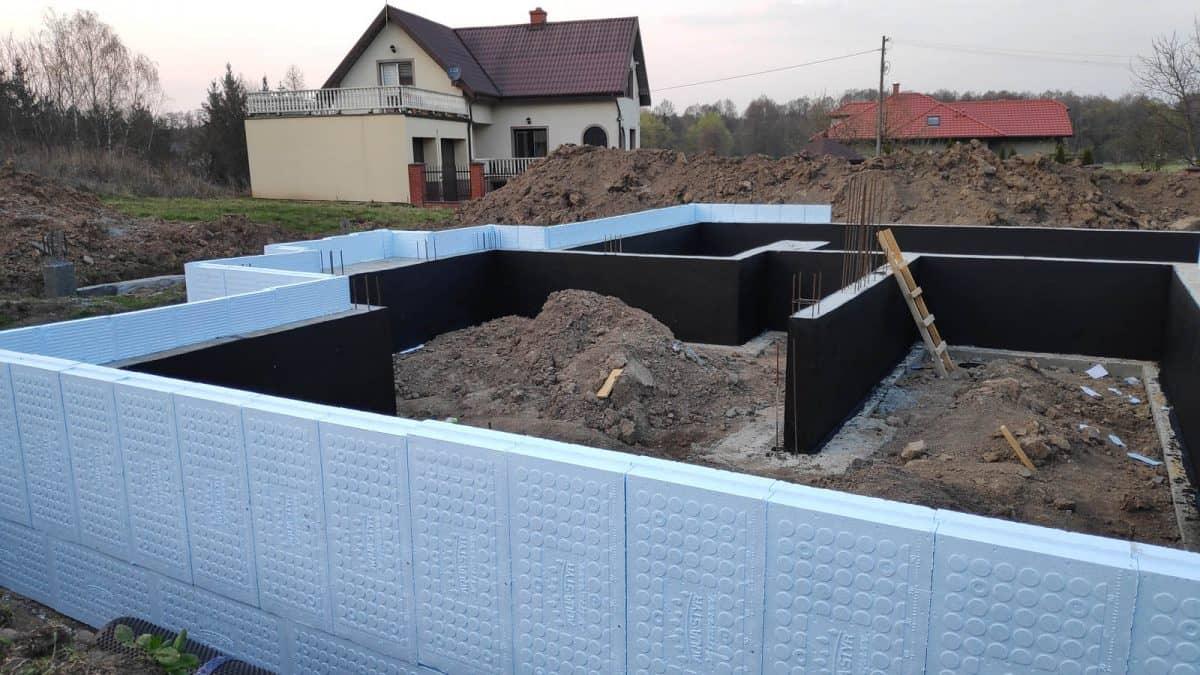
| Plinth, below DPC, moisture-exposed zones | XPS Foundation Boards | λ 0.038 W/mK · zero water absorption · closed cell |
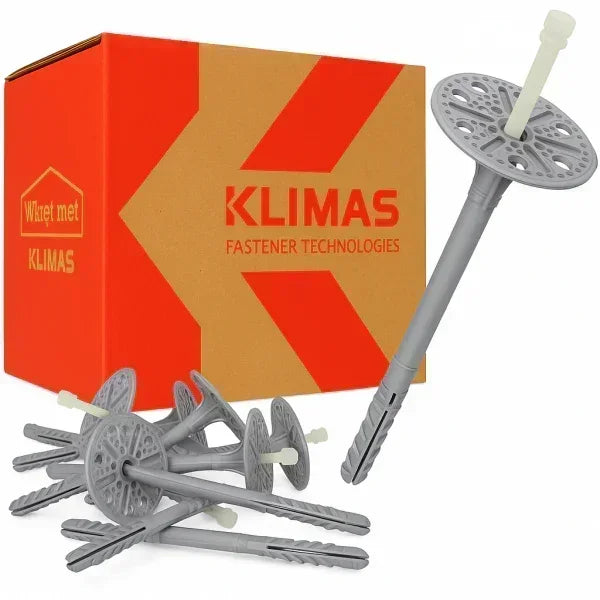
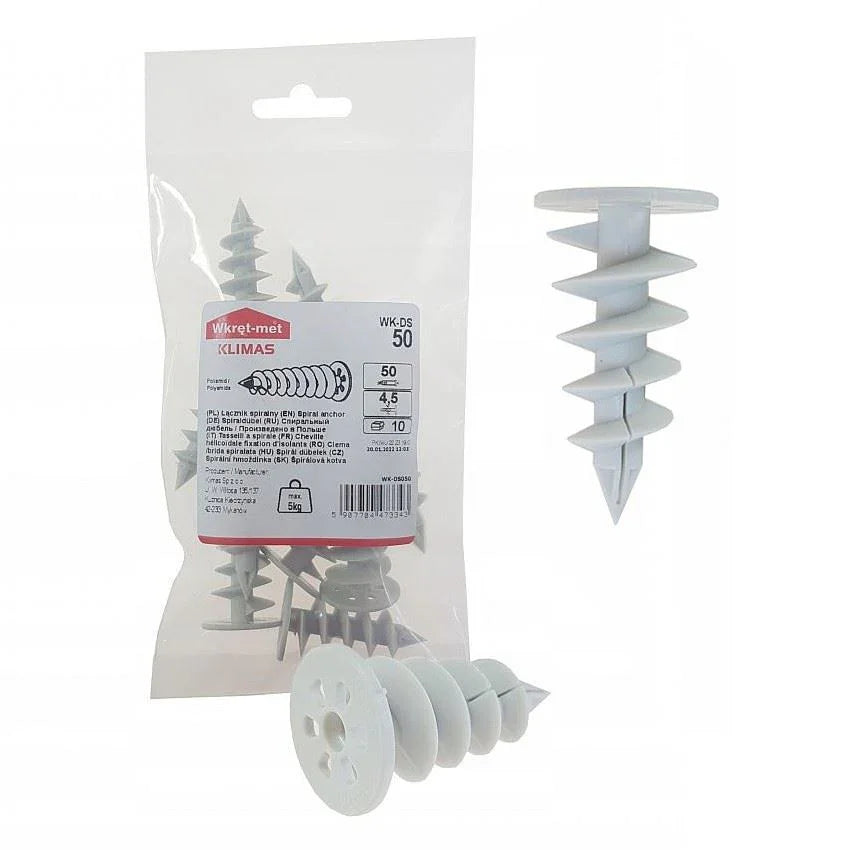
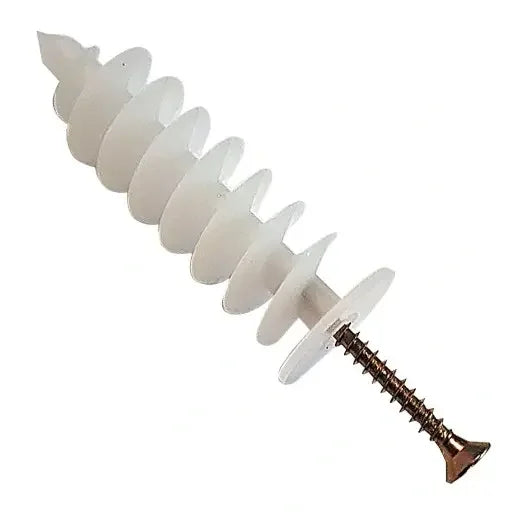
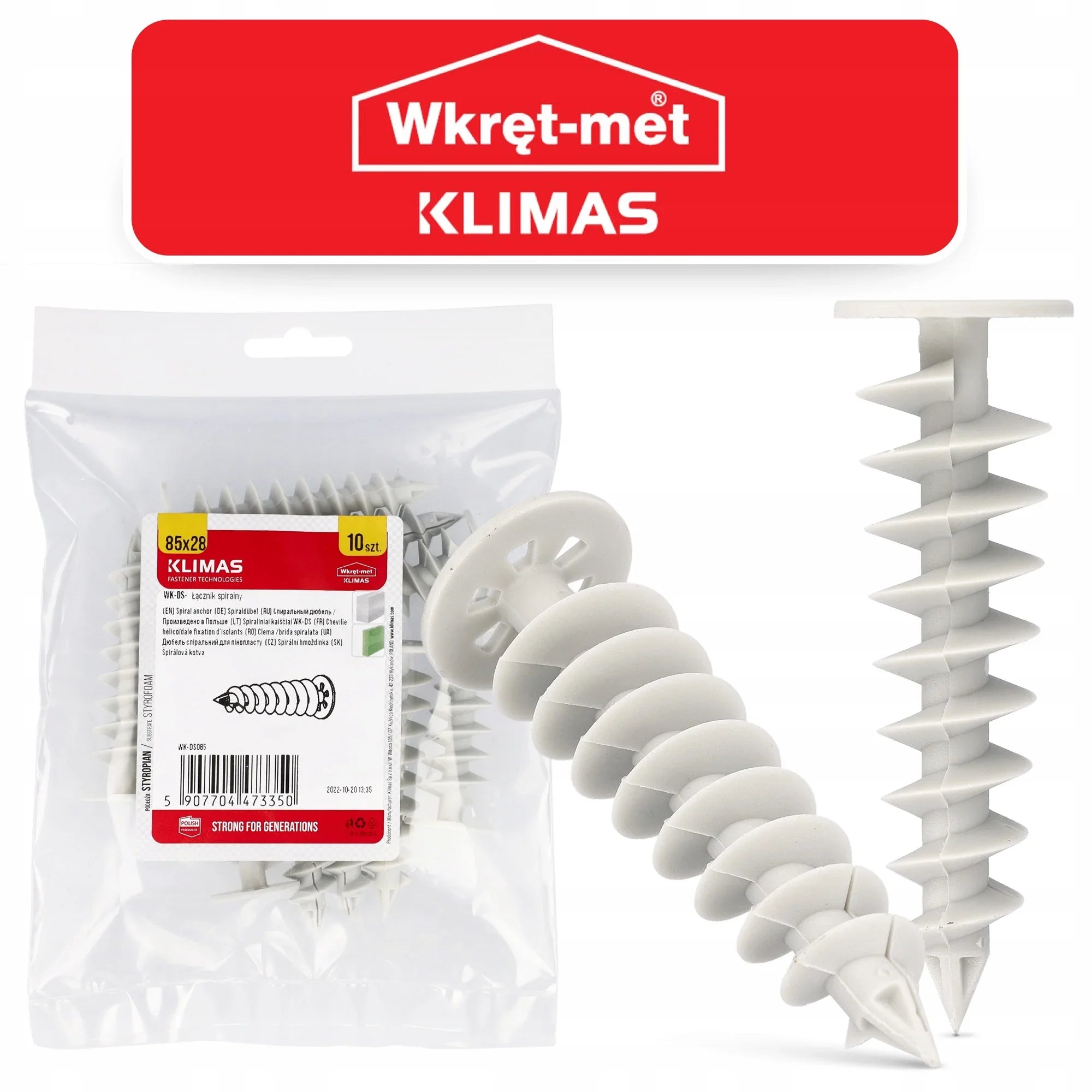
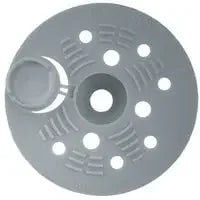
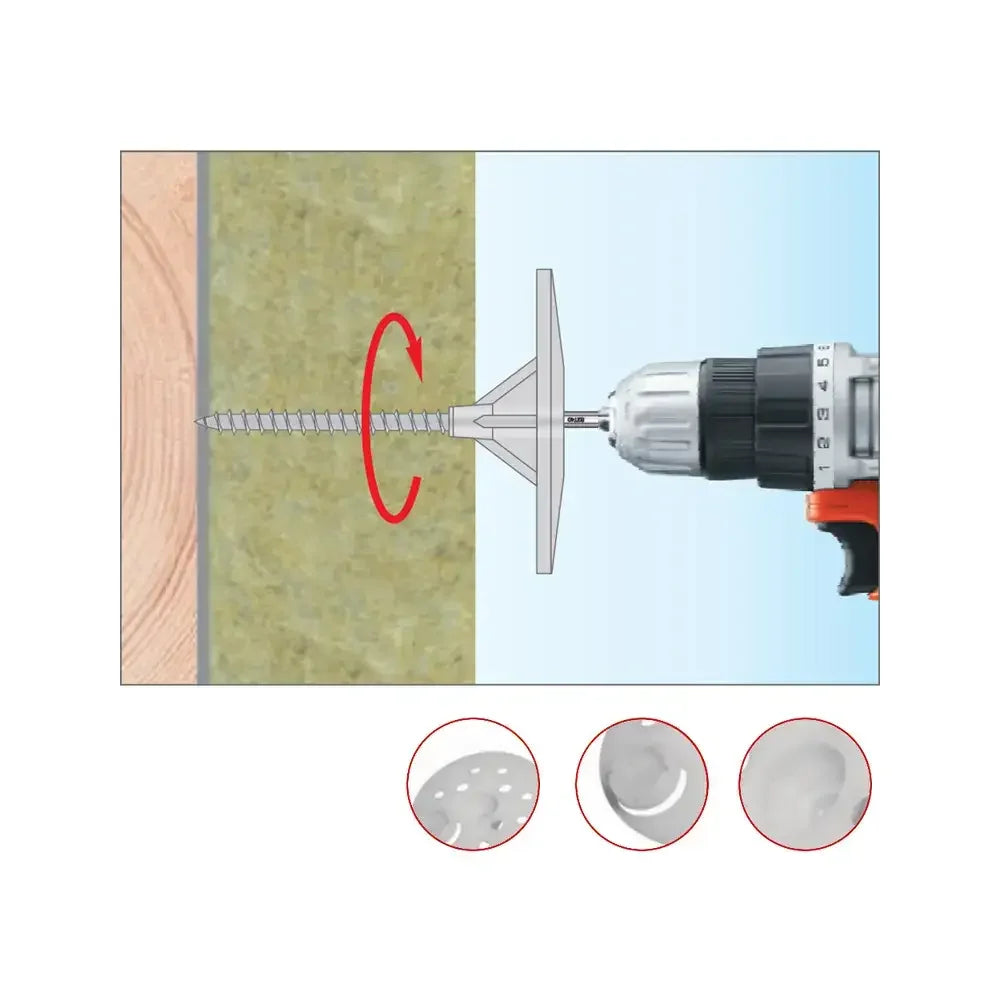
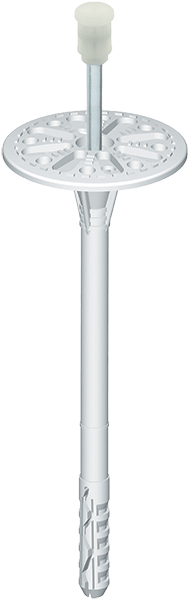
| Mechanical retention and detailing across all systems | Fixing Accessories | LTX plugs 70–220 mm · base tracks 23–163 mm · 6–8 fixings/m² |
| Full system, single order, per-m² pricing | Complete EWI System Bundle | Basic · Standard · Premium tiers · per-m² pricing |
How the Five Collections Fit Into a Full EWI Build-Up
An EWI system goes onto the wall as five sequenced layers, and the five collections in the Selection Guide map directly to the components in that sequence. The insulation core bonds to the substrate with adhesive, takes mechanical fixings, then accepts a reinforced basecoat with embedded fibreglass mesh before priming and the decorative render finish closes the wall to weather. A single adhesive and fixing schedule typically covers an elevation that mixes multiple board thicknesses across reveals, soffits, and main wall.
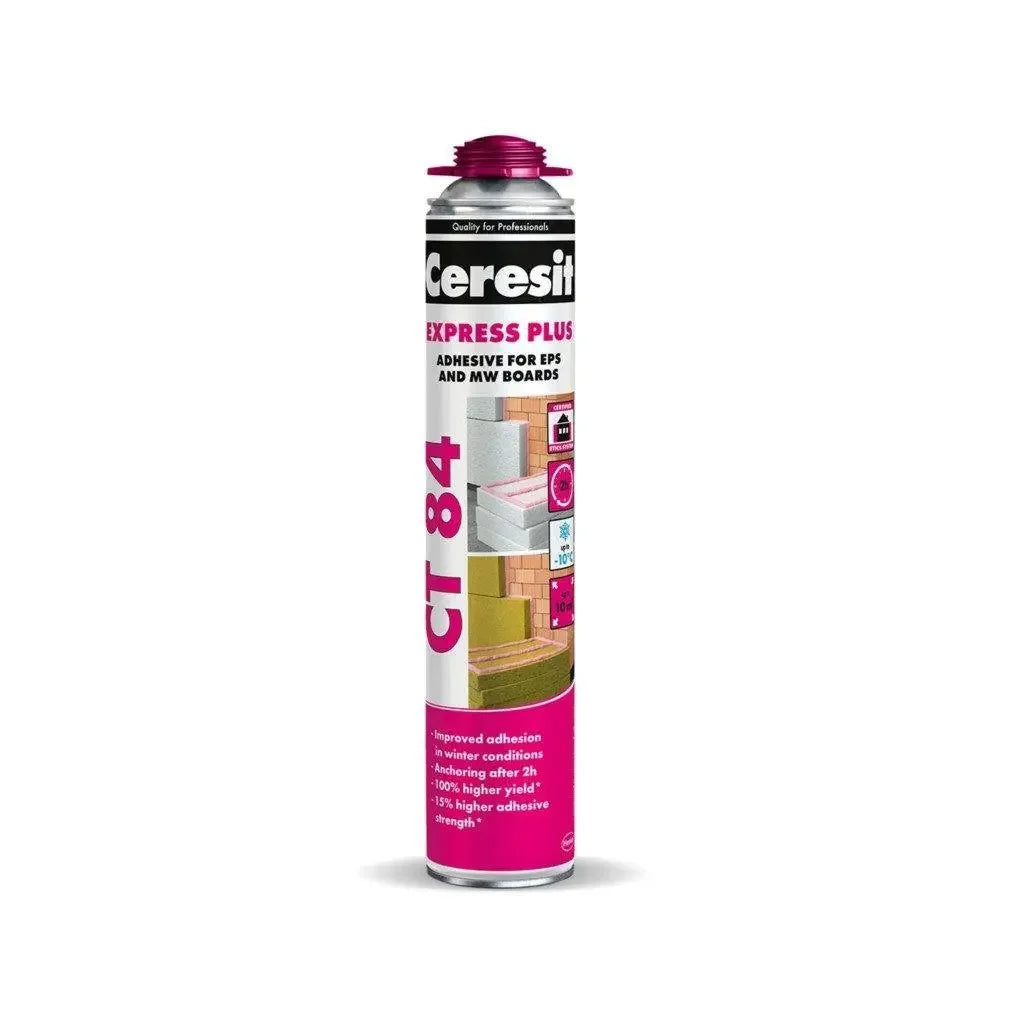
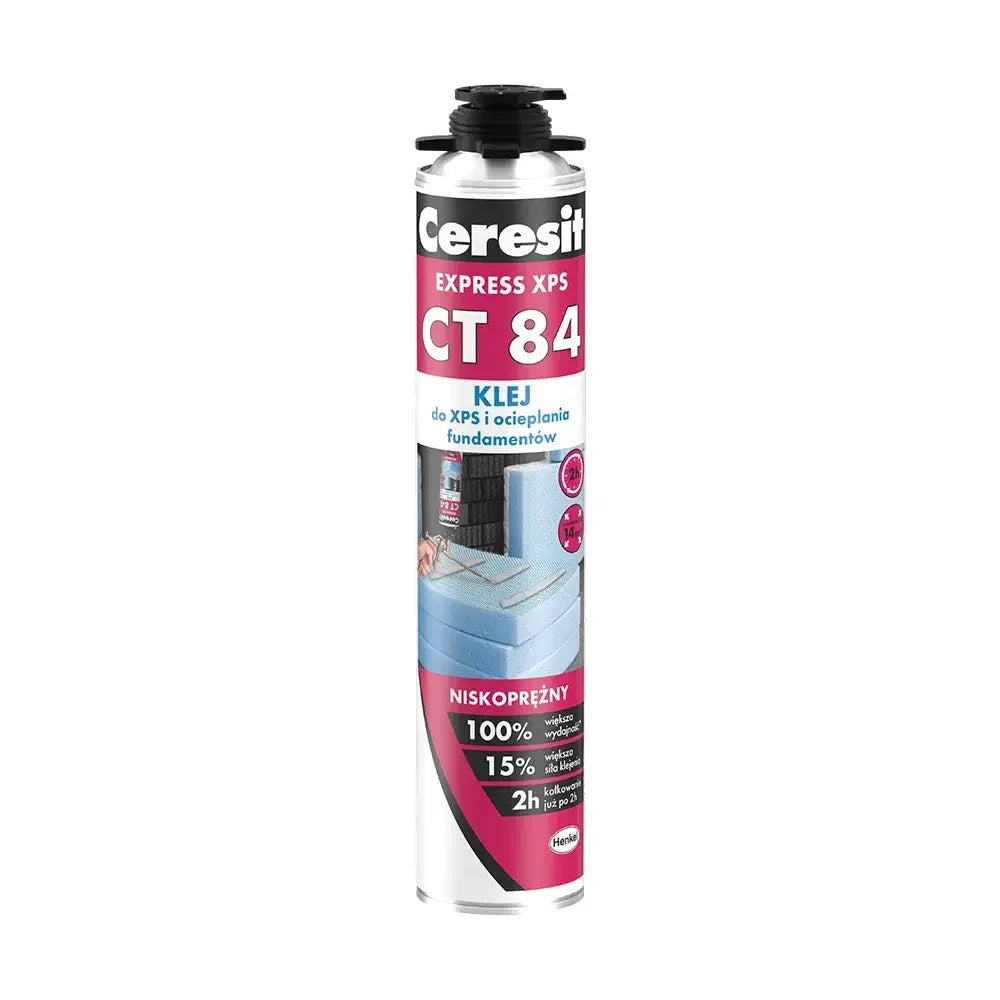
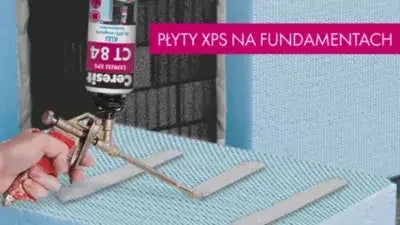
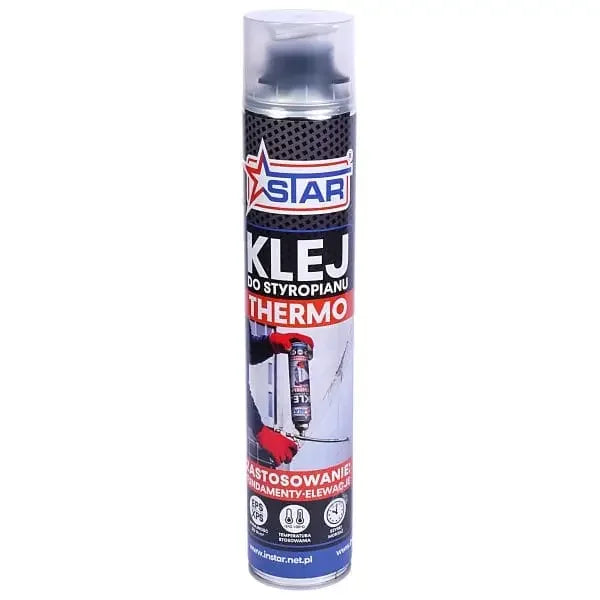
- Substrate prep + adhesive: sound, dry masonry; cementitious or polyurethane foam adhesive applied perimeter-and-dab.
- Insulation core: graphite EPS, mineral wool, or XPS by zone, pressed into adhesive, joints staggered.
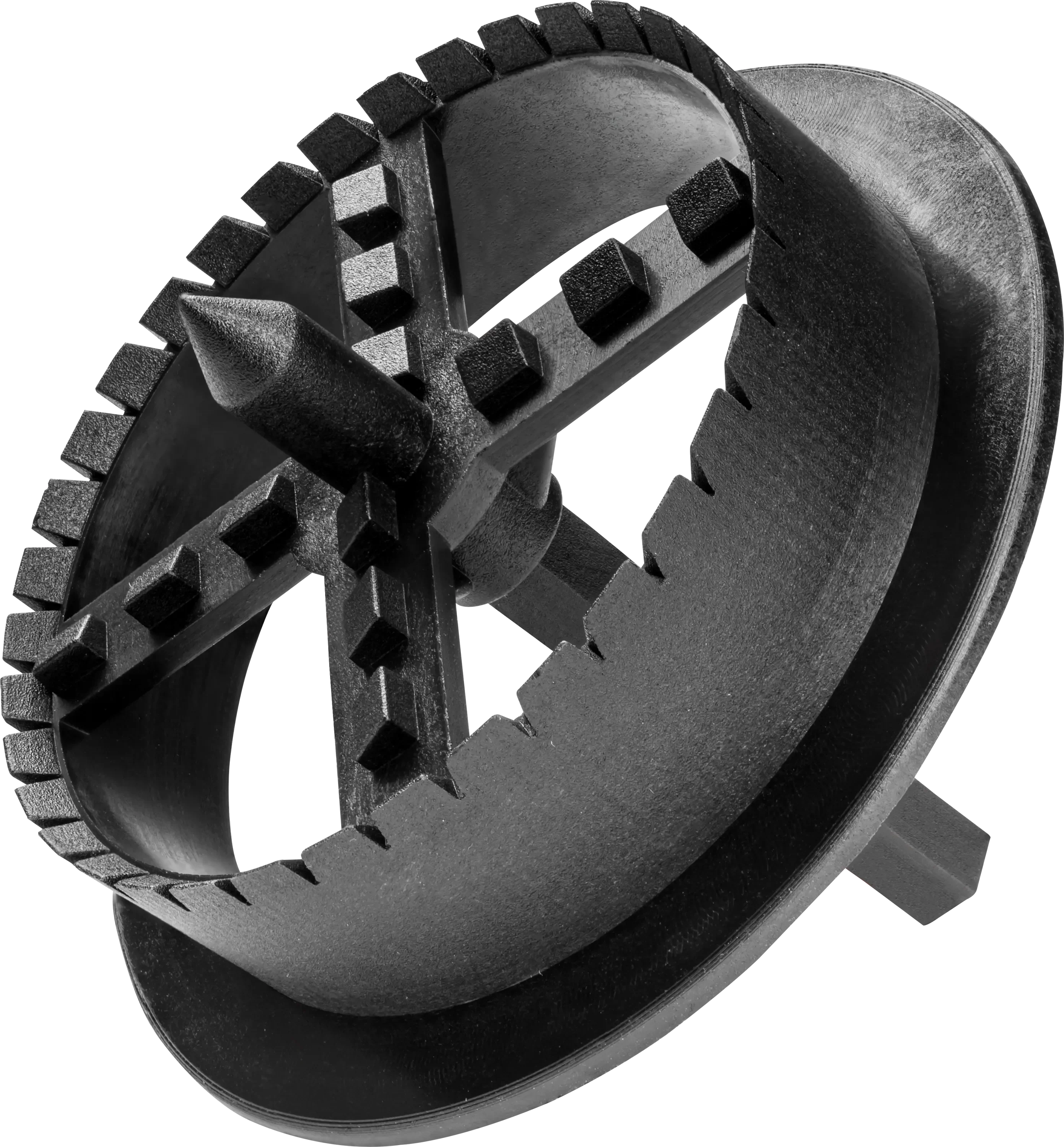
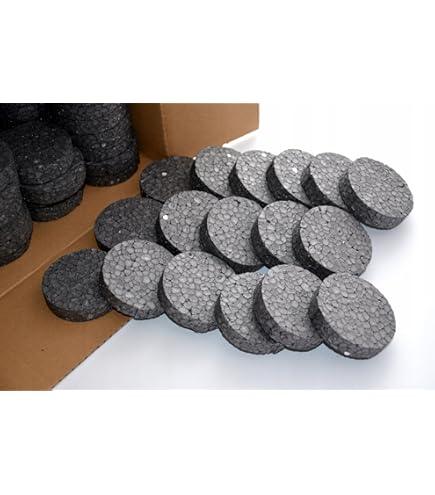
- Mechanical fixing: 6–8 polystyrene plugs per square metre, plug length matched to board thickness.
- Basecoat + mesh: reinforced layer with alkali-resistant fibreglass mesh, typically 3–5 mm finished.
- Primer + render finish: keying primer followed by silicone or thin-coat decorative render.
The EWI system build-up layers guide walks the full installer-level sequence including substrate-specific detailing for masonry, timber frame, and steel frame. For U-value calculation across the assembly, the U-value and insulation thickness guide covers the method, and the fixing pattern and spacing guide sets out wind-load zoning and edge-zone uplift.
Where These Materials Fit on UK Projects
EWI decisions rarely sit with one trade alone — designers calculate U-values, installers sequence the wall, retrofit coordinators sign off on PAS 2035, and Building Control checks the result against current Approved Documents. The guides below cover the technical reference points trade customers reach for most often.
- For pre-1919 stock, the Victorian and Edwardian solid-wall retrofit guide covers heritage substrates, proportions, and moisture-management decisions that separate a successful retrofit from a callback.
- Funded work routes through the grant funding overview and the more recent Warm Homes Plan 2026 EWI grant guide, which tracks the GBIS replacement scheme as it rolls out.
- For the consent question that comes up first on most retrofits, the planning permission and permitted development guide sets out the current position so projects can proceed with confidence.
- Where retrofit assessors check moisture risk on the design, the dew point and condensation risk guide works through the building-physics check that sits behind PAS 2035 sign-off.
- For the EPS-versus-mineral-wool conversation that comes up on almost every fire-sensitive specification, the graphite EPS vs mineral wool 2026 facade guide sets the two options side by side with current regulatory context.
Specifier Tips for Ordering a Full EWI System
The procurement decisions that separate a clean EWI programme from one that stalls on site come down to four points — most of them about ordering sequence and component compatibility rather than headline material spec.
- Confirm fire strategy before insulation core selection: the Euroclass E vs A1 decision sets every downstream component. Confirm with the project designer and Building Control at design stage so adhesive, fixing length, and render compatibility lock in around a settled core specification.
- Order the bundle on multi-property runs: per-m² bundle pricing locks component compatibility automatically and removes the most common cause of mid-project material shortfalls — the missing 5% of mesh, plugs, or primer that scales painfully across a 30-property contract.
- Match plug length to board thickness in advance: 140 mm plugs for 100 mm boards, 180 mm for 150 mm, 220 mm for 160–180 mm. The technical desk runs this check before dispatch, but specifiers ordering line-by-line should sense-check it against the surveyed thicknesses to avoid scaffold-level swaps.
- Plan delivery against scaffold programme, not survey date: insulation boards take significant pallet space and graphite EPS needs solar protection from arrival. Sequencing deliveries to scaffold-fix dates keeps the site clear and protects board surfaces from prolonged UV exposure.
Is This EWI Range Right for Your Project?
- Specify this range for full external wall insulation work — solid-wall retrofit, new-build to Part L and Future Homes Standard targets, social-housing decarbonisation contracts, and self-build envelope projects where the priority is a certified system from named manufacturers.
- Start with the Selection Guide table above to choose the insulation core that matches the building's fire strategy, substrate, and U-value target — then drill into the collection page for thickness and pack data.
- Order a complete EWI system bundle if procurement simplicity, guaranteed component compatibility, and per-m² pricing matter more than line-by-line selection — particularly valuable on retrofit programmes and first-time EWI contracts.
- Talk to the technical desk before ordering if the project involves an unusual substrate (timber frame, steel frame, mixed masonry), a fire-strategy edge case, or a programme above 20 properties — pre-dispatch compatibility checks prevent the kind of mid-project substitutions that compound across multi-property contracts.
- For rendered-only projects without external insulation — top-coat refurbishment, replacement render, or new-build masonry not requiring fabric upgrade — the rendering silo covers premium silicone renders, primers, and silicone masonry paints as standalone systems.
FAQ — EWI Specification, Ordering, and Compatibility
What does a complete EWI system cost per square metre for materials?
A standard domestic build-up using 100 mm graphite EPS, a silicone render finish, full fixings, basecoat, mesh, and primer typically lands in the £50–£80 per square metre range for materials alone, depending on render grade and board thickness. Thicker boards, premium render finishes, and mineral wool cores sit toward the upper end. Ordering through the system bundle collection prices the whole envelope on a single per-square-metre line, which makes budgeting and ordering substantially cleaner on multi-property programmes.
Which insulation core suits a standard UK domestic retrofit?
Graphite EPS at 100 mm to 150 mm is the most common specification for solid-wall residential properties below 18 metres where the fire strategy permits Euroclass E with approved barrier detailing — it delivers the U-value, sits at the lower end of the cost band, and pairs cleanly with the LTX plug range. Where the project fire strategy requires non-combustible insulation, or where the substrate is timber frame and vapour-openness matters, mineral wool replaces EPS at the same thickness band with a small uplift in cost and weight.
What fire-classification rules apply to EWI insulation in the UK?
Fire requirements follow the building's height, use, and the applicable fire strategy under Approved Document B, with the Building Safety Act adding further duties on higher-risk buildings. Graphite EPS at Euroclass E is typically acceptable on residential buildings below 18 metres with approved fire-barrier detailing, while mineral wool at Euroclass A1 is the standard route where the fire strategy requires non-combustible insulation. Confirming the classification with the designer and Building Control at design stage avoids costly substitutions once boards are on site.
How many mechanical fixings does an EWI wall need per square metre?
UK practice typically uses 6 to 8 fixings per square metre on standard residential elevations, with higher densities at corners, parapets, and exposed edge zones where wind uplift loads concentrate. The exact pattern is set by the system designer using the wind-load calculation for the building's location and height. Plug length matches board thickness, and the fixing accessories range carries plug variants from 70 mm to 220 mm to cover the full insulation thickness range.
What thickness of insulation achieves Part L and Future Homes Standard compliance?
Reaching a wall U-value in the region of 0.18 W/m²K — the band current regulatory guidance points to for Future Homes Standard work — typically requires 150 mm to 160 mm of graphite EPS at λ 0.031 W/mK on a standard 215 mm solid brick wall, or 180 mm of mineral wool at λ 0.036 W/mK, subject to project-specific calculation. The 100 mm graphite EPS specification covers most Part L domestic retrofit work at approximately 0.27–0.30 W/m²K. The U-value calculation guide linked above explains the method for sizing boards against substrate type.
Is it better to buy components separately or as a system bundle?
Both routes work, and the choice depends on procurement preference. Buying components separately suits projects where a specifier already has confirmed quantities, established preferred products, and existing supply relationships. Buying a complete EWI system bundle suits projects where simplifying ordering, guaranteeing component compatibility, and pricing the envelope per square metre matter more — typical for retrofit programmes, self-build projects, and contractors moving onto EWI work for the first time.
Can EWI be installed on timber frame and steel frame substrates?
External insulation systems work on timber frame and steel frame substrates when the build-up is detailed for the structure type — breather membrane, vapour-management layer, and adhesive choice all adjust from the masonry default. Mineral wool is often the preferred insulation core for timber frame because high vapour permeability maintains the vapour-open principle the wall assembly relies on. The technical desk runs substrate-specific compatibility checks on every order, so a single conversation at the design stage locks the right combination before materials are dispatched.