RENDERING
35 products
Showing 1 - 35 of 35 products
Every external facade project starts with compatible materials sourced from a single specialist supplier — and Renders World stocks the substrate-to-finish portfolio that UK trade professionals, developers, and serious renovators rely on for durable, regulation-aware render systems. Return to the homepage for the full silo overview, or step straight into the rendering range below.
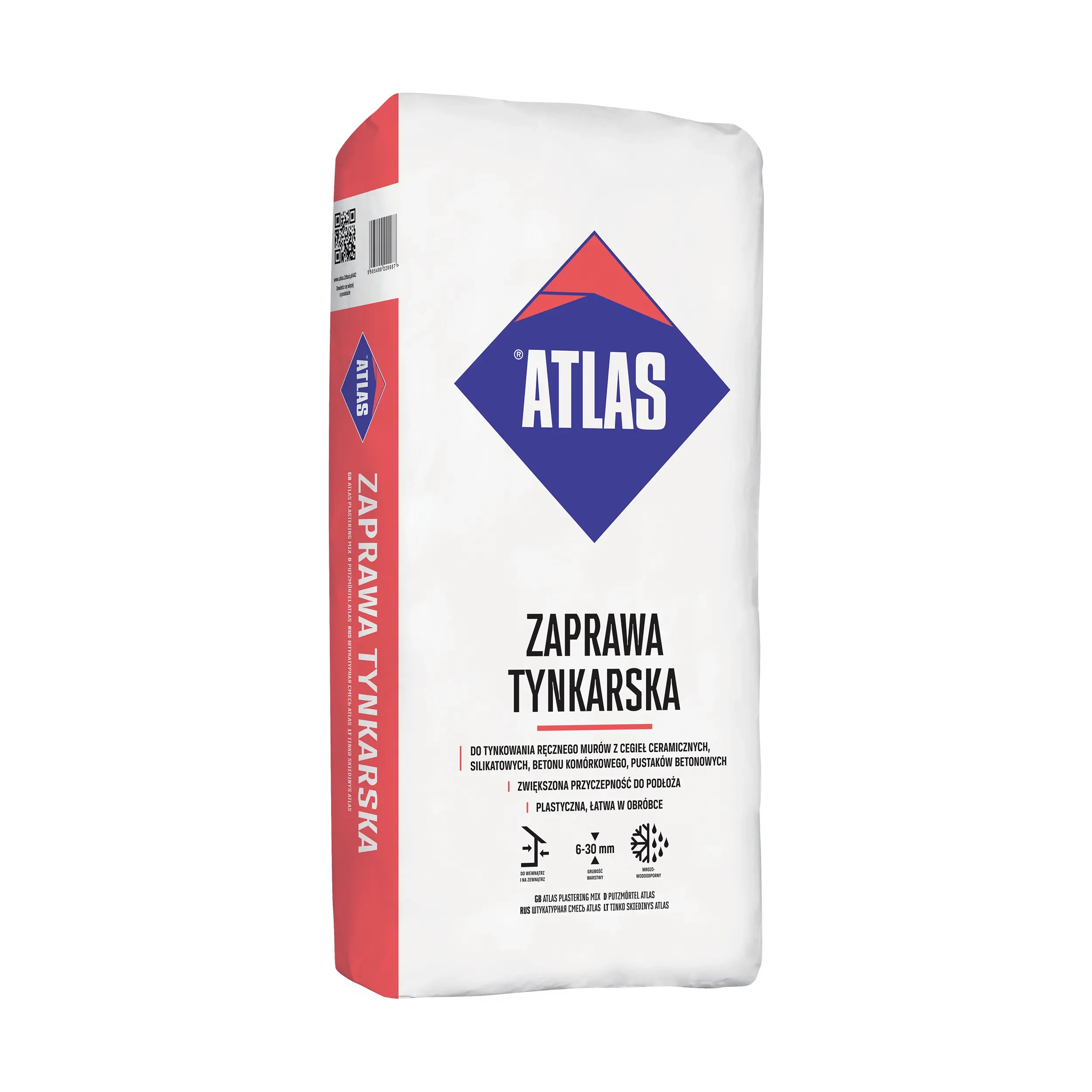
As an Atlas and Ceresit trade distributor, our Southampton warehouse holds over 500 product lines spanning deep-penetrating primers, fibre-enhanced basecoats, alkali-resistant mesh, profiling beads, and premium thin-coat decorative finishes — typically applied at 2–3 mm and 2.5–3.5 kg/m² coverage. Every component is selected for mutual compatibility within typical BBA-assessed and ETA-certified facade assemblies, subject to project-specific specification.
What Rendering Materials Cover and When You Need Them
A complete render system layers six functions onto the wall — substrate primer, adhesive bond, mesh-reinforced basecoat, interlayer primer, and decorative thin-coat topcoat, with profiling beads detailing every edge. Rendering materials are the matched products that deliver each one. Each layer bonds to the next without compromise, and that single fact decides whether a facade lasts five years or twenty-five.
A correctly specified system delivers three outcomes that every project depends on. Get them right at quotation stage and the rest of the programme follows on schedule.
- Weather protection: the finished facade keeps wind-driven rain out of the wall structure, shielding masonry and any insulation behind it across every UK season.
- Vapour permeability: breathable layers allow trapped moisture to escape outwards, so dampness cannot accumulate behind the finish and undermine thermal performance.
- Long-lasting appearance: through-coloured silicone surfaces typically perform for 25 years or more without repainting, in white, grey, or any shade across the full 480-colour palette.
External rendering supplies must satisfy the performance thresholds set by current Approved Document L guidance and the incoming Future Homes Standard, alongside European product standards including EN 15824 for organic-binder thin-coat renders and EN 998-1 for mineral renders. These standards govern durability, water absorption, vapour transmission, and bond strength. Sourcing from a single system-aware rendering products supplier means every layer matches the one beneath it — protecting both the facade and the warranty chain for the life of the installation.
Browse the Rendering Range — Twelve Categories Across One Build-Up
Choose the collection that matches your current project stage. Pick a topcoat finish if you already know the look you want, primers and basecoats if you are building a system from the substrate up, or colour charts if appearance is still under discussion — the directory below shows where each category fits in the build-up and what to specify next.
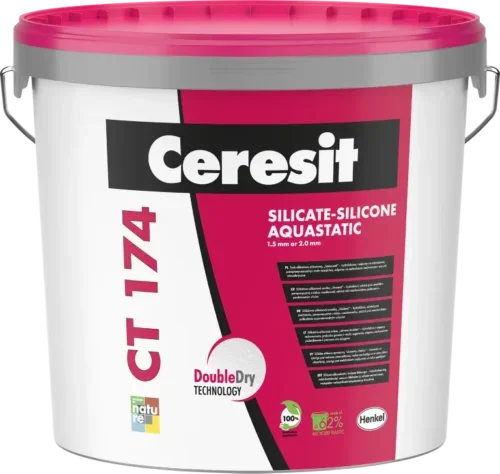
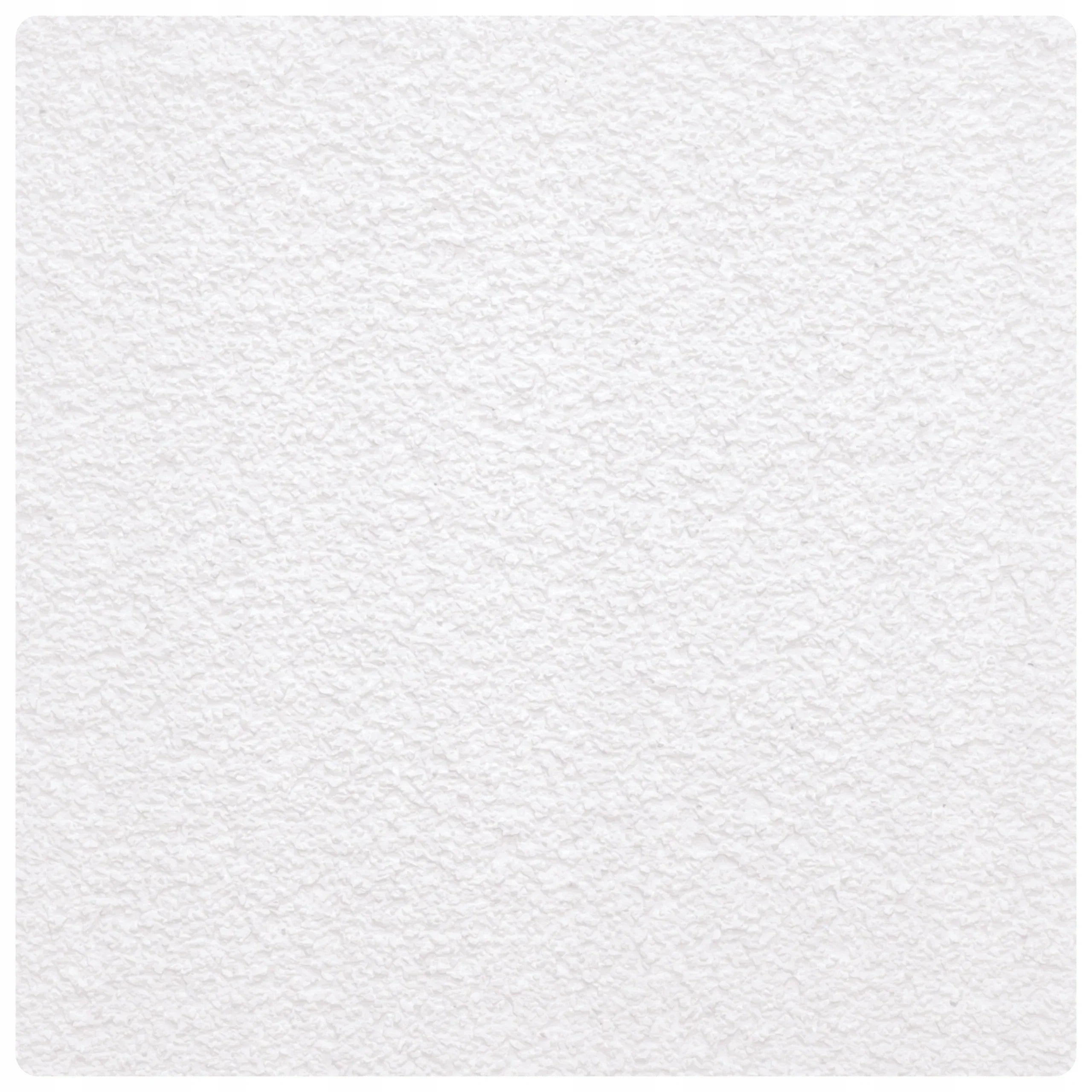
- Premium Silicone Render — hydrophobic, vapour-permeable thin-coat finishes in over 480 factory-mixed colours. The UK's most specified decorative topcoat for both EWI retrofits and standard masonry renovations, with self-cleaning chemistry that keeps facades looking fresh for decades.
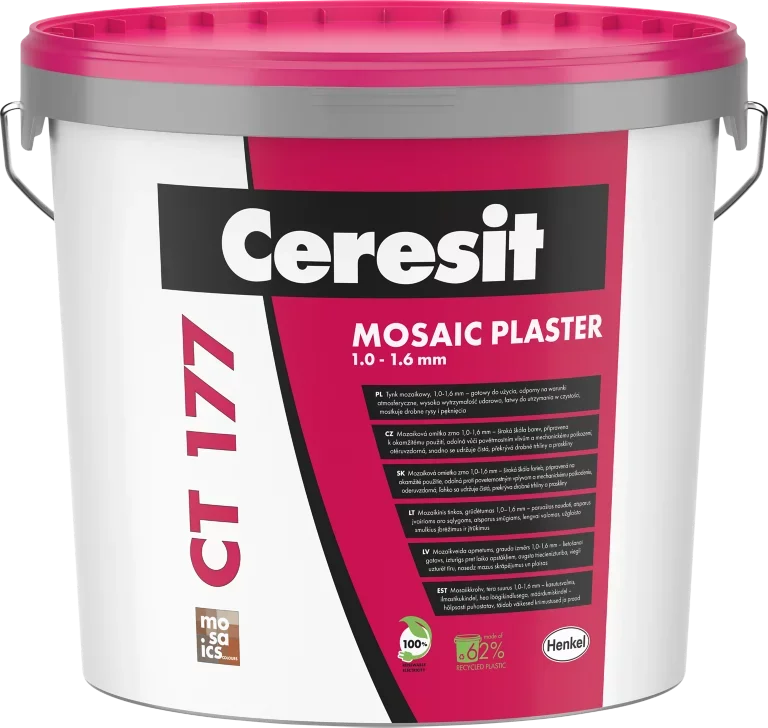
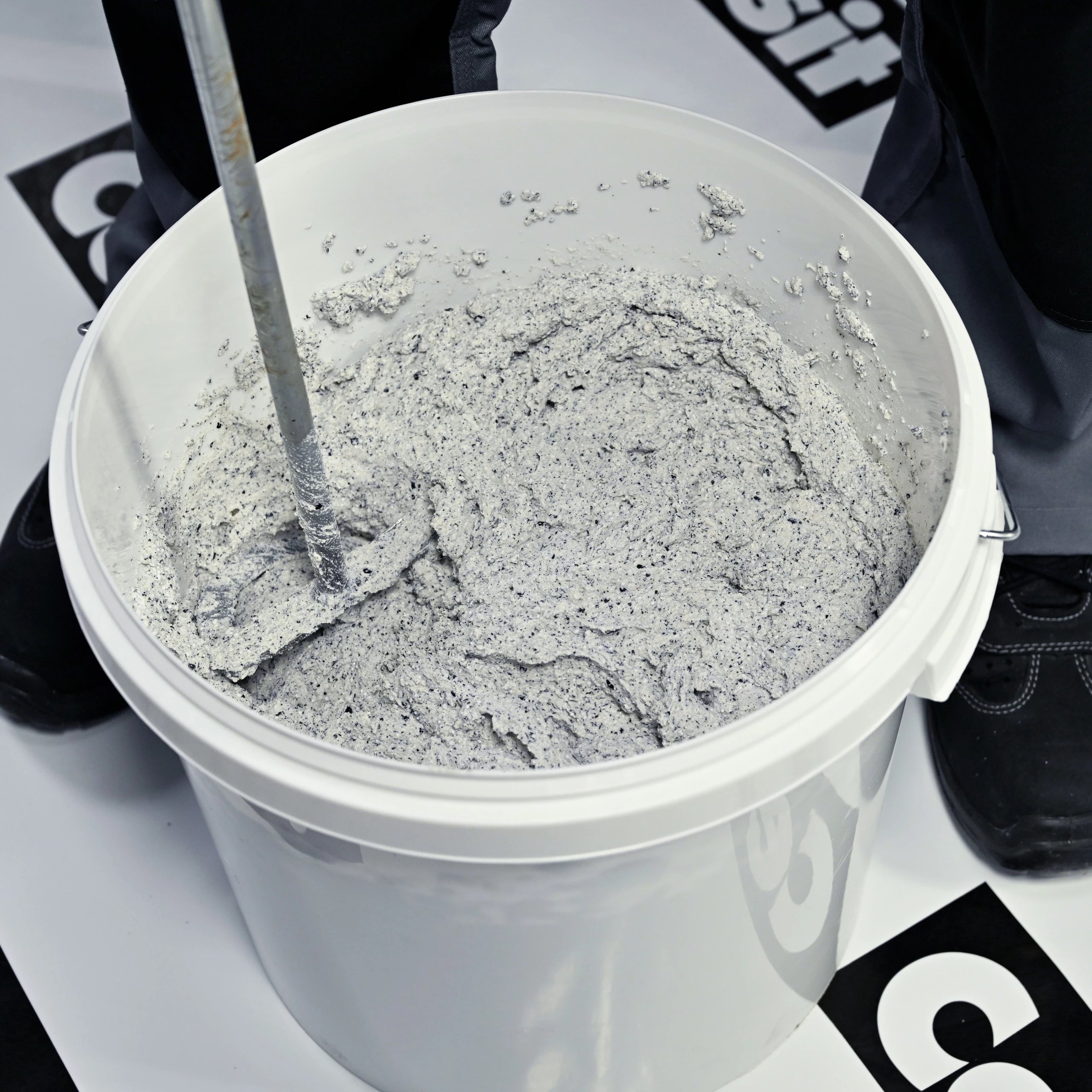
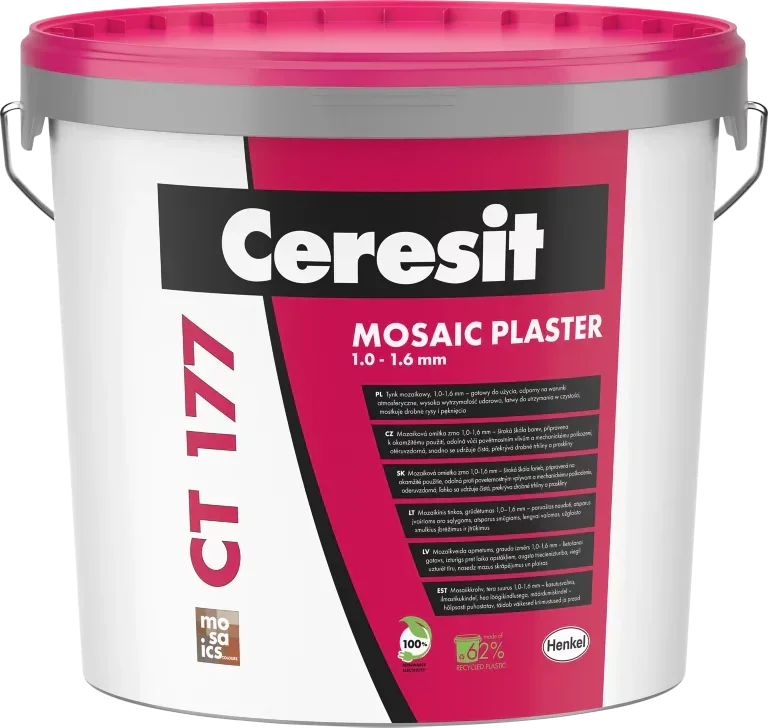
- Mosaic Renders — impact-resistant, vapour-permeable quartz-aggregate finishes engineered for plinth zones, splash areas, and high-traffic base-of-wall elevations where standard thin-coat would be vulnerable to moisture and mechanical wear.
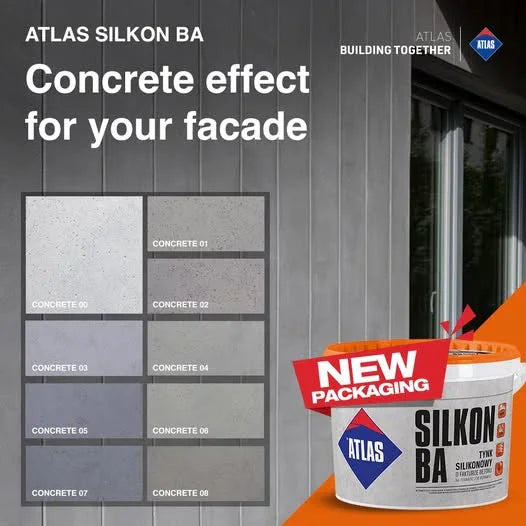
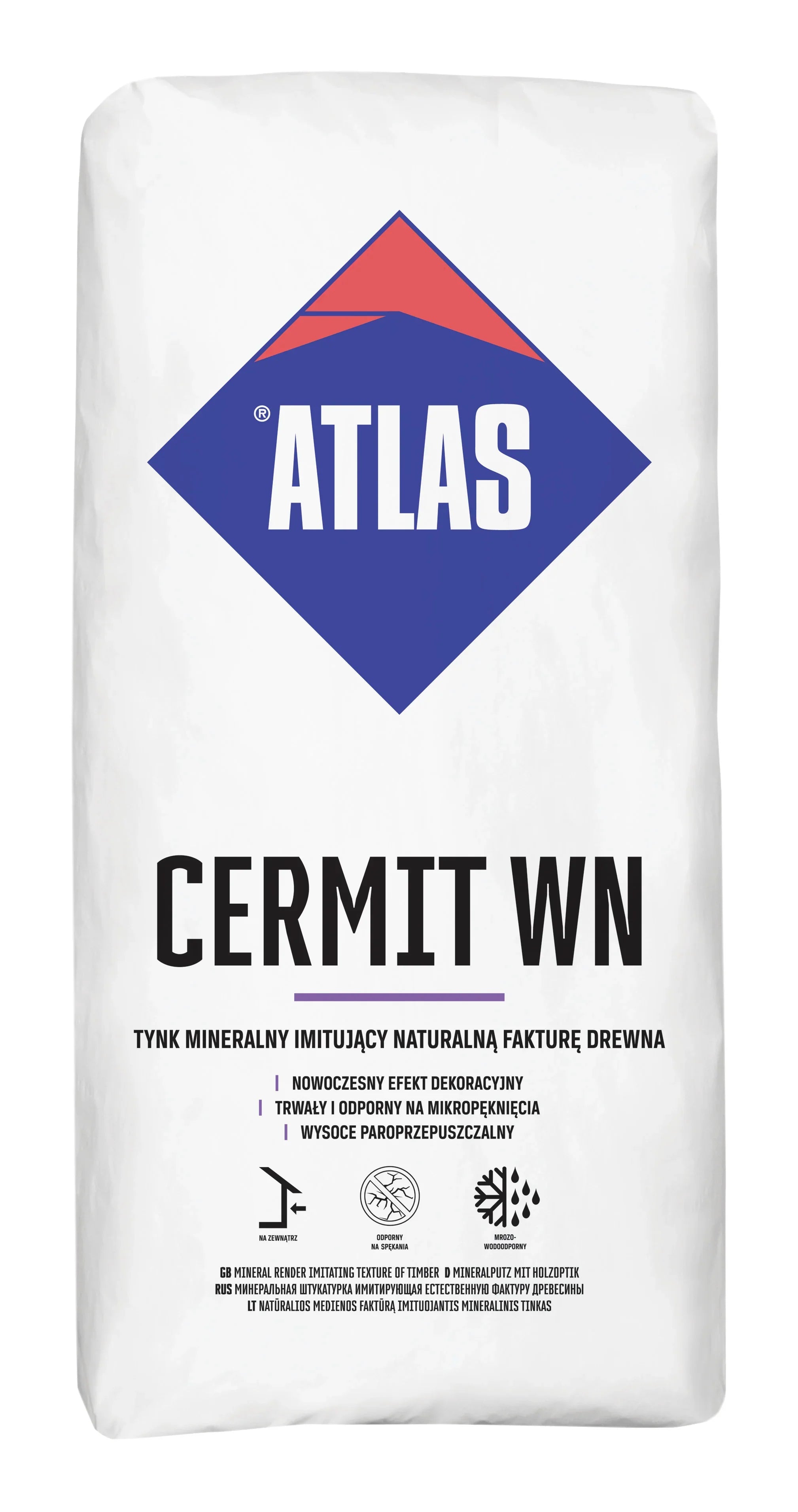
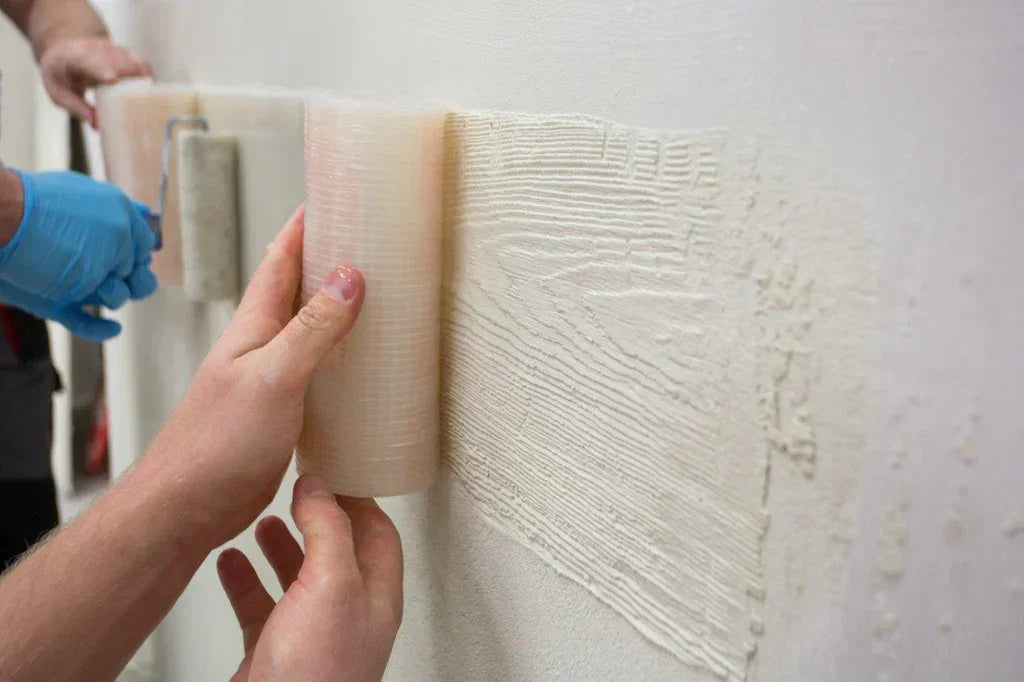
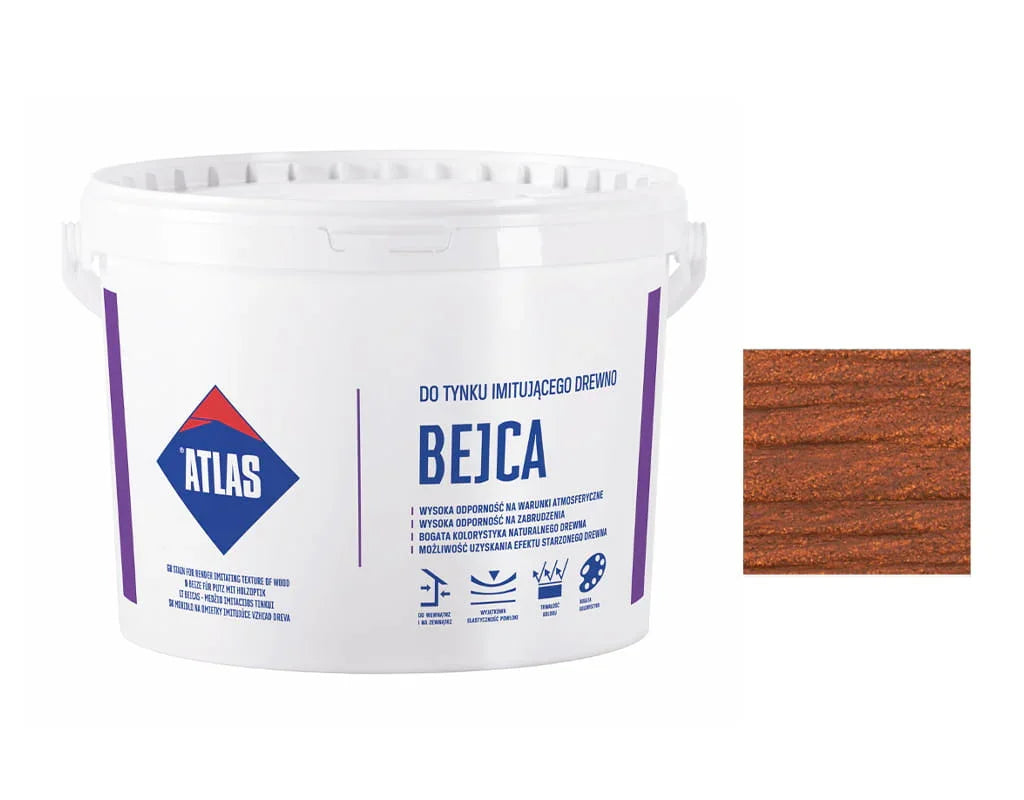
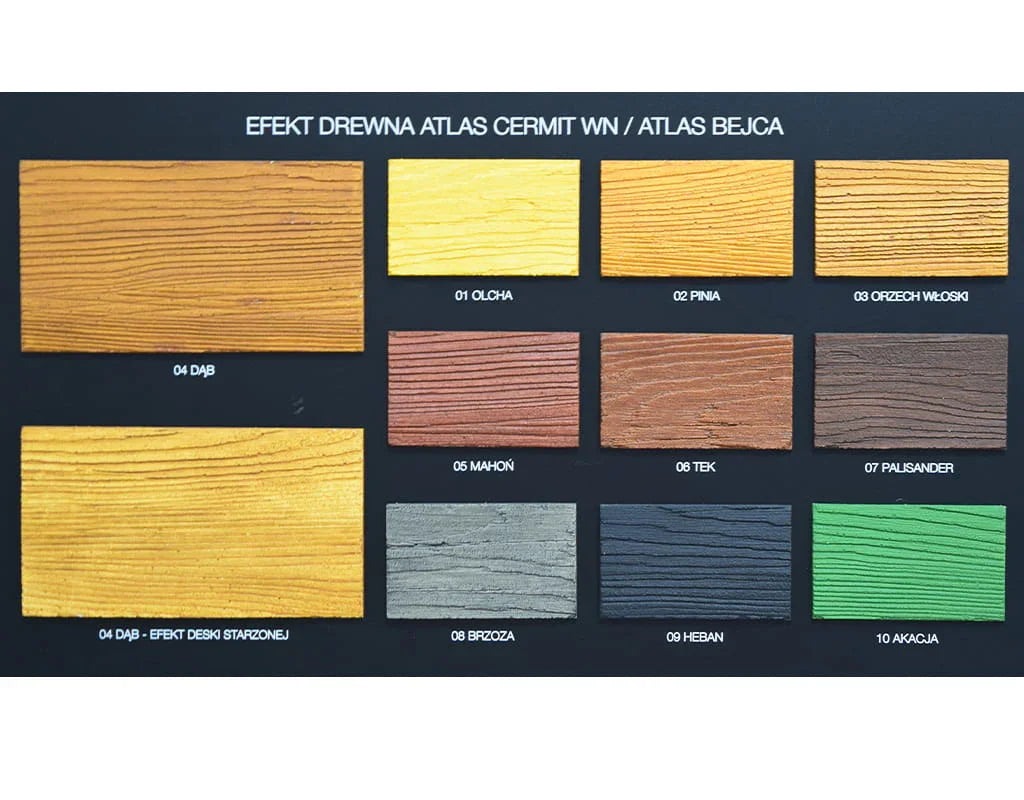
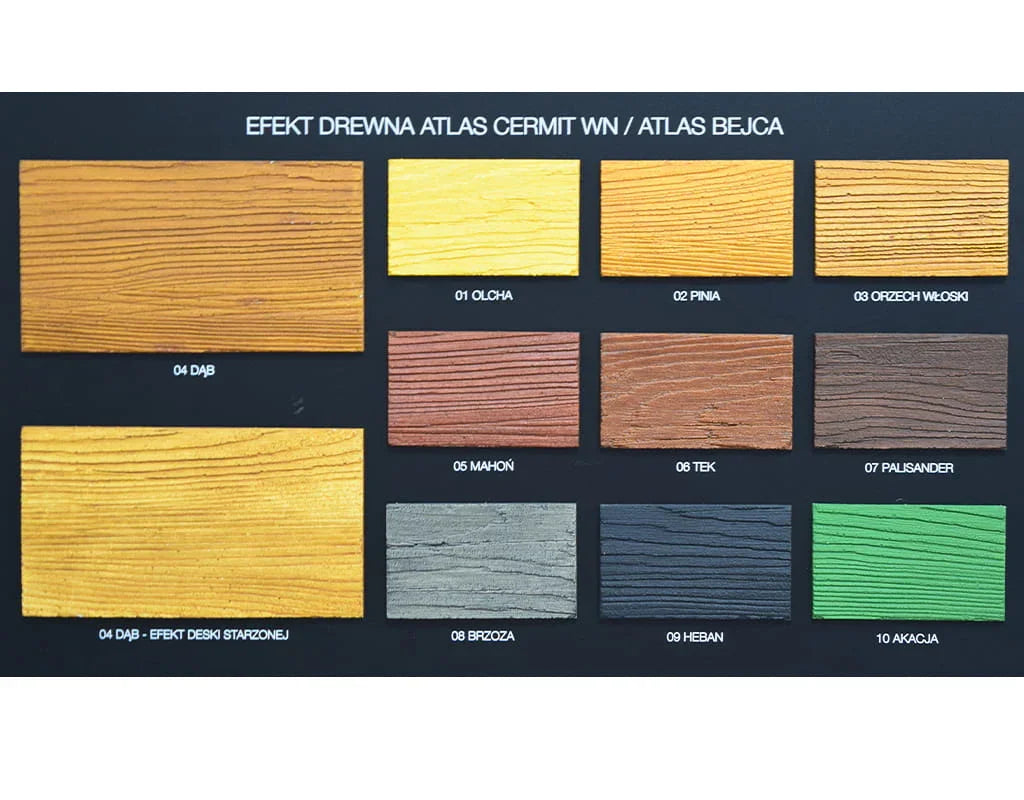
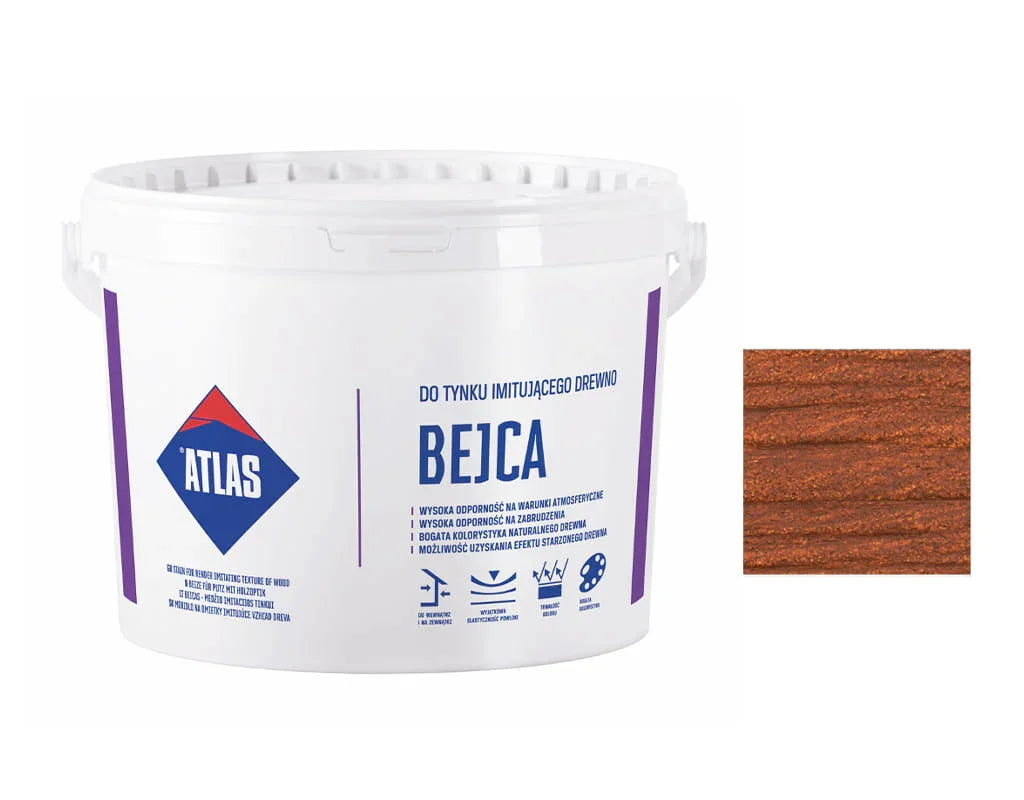
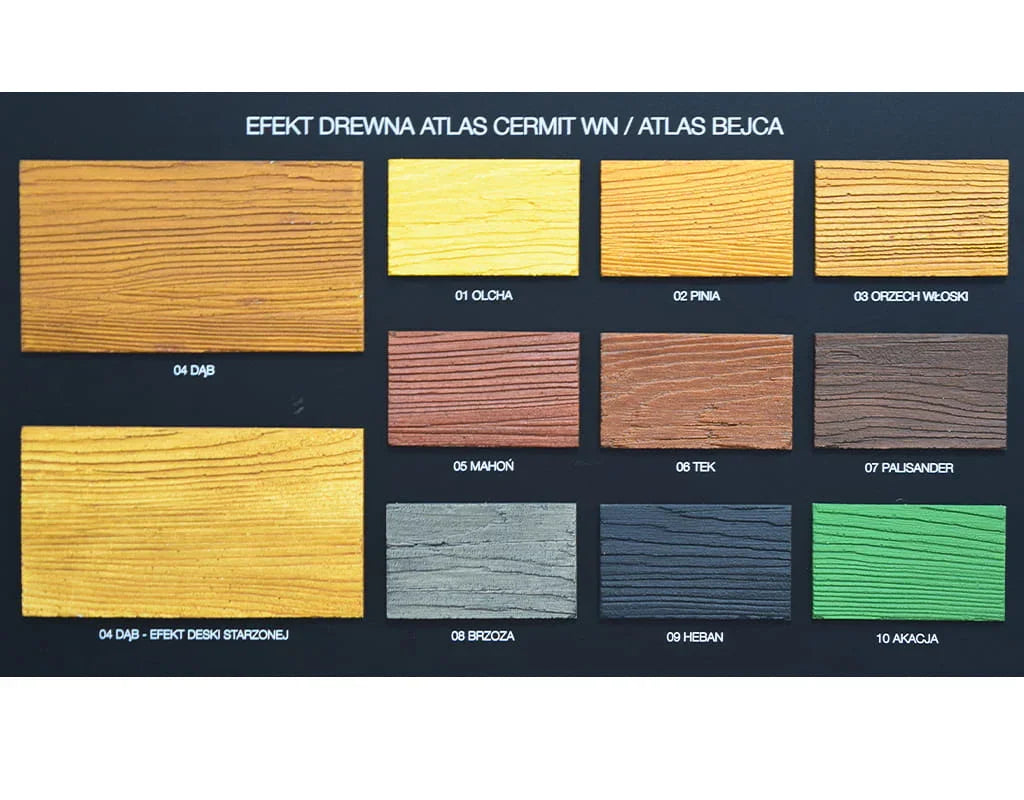
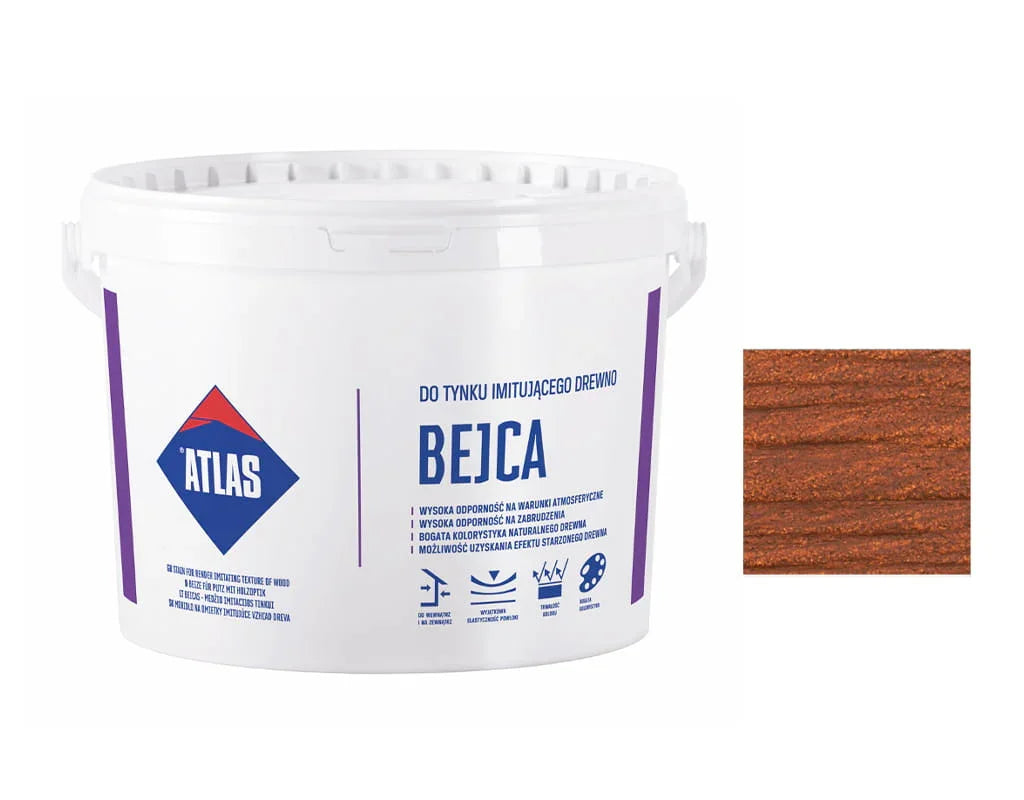
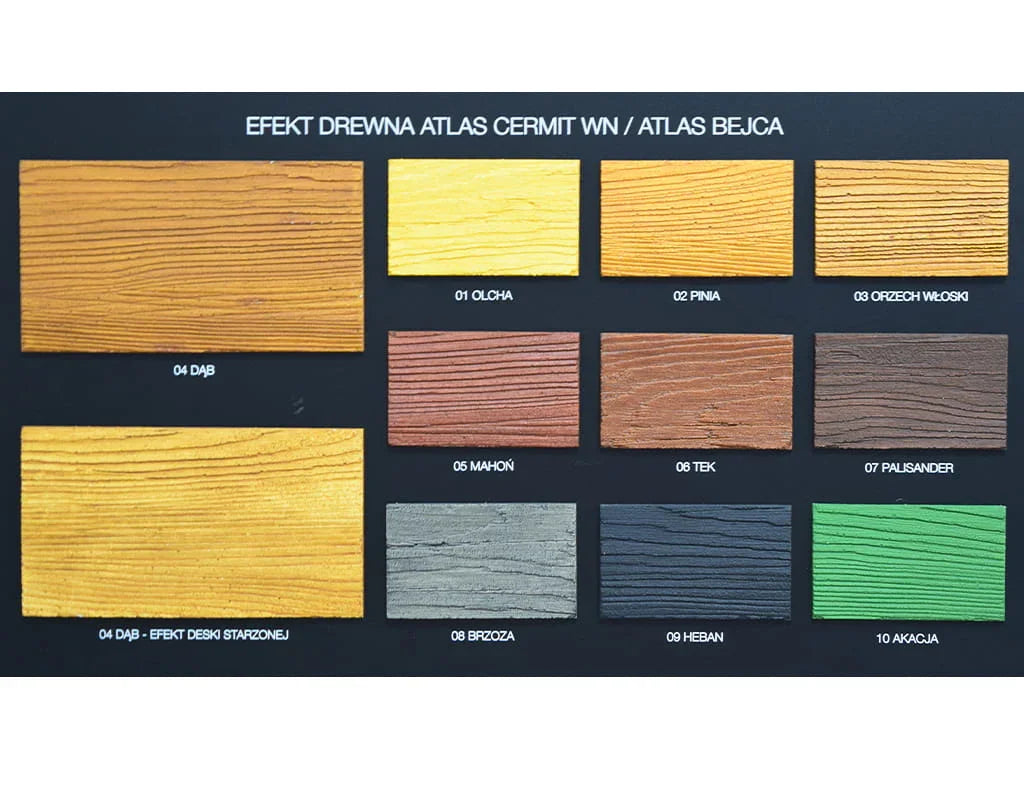
- Concrete Effect Render — silicone and acrylic thin-coat finishes, reusable brick and timber stencils, silicone stamps, and protective sealers for cast-concrete, London-bond brick, or natural wood-grain appearances on contemporary facades.
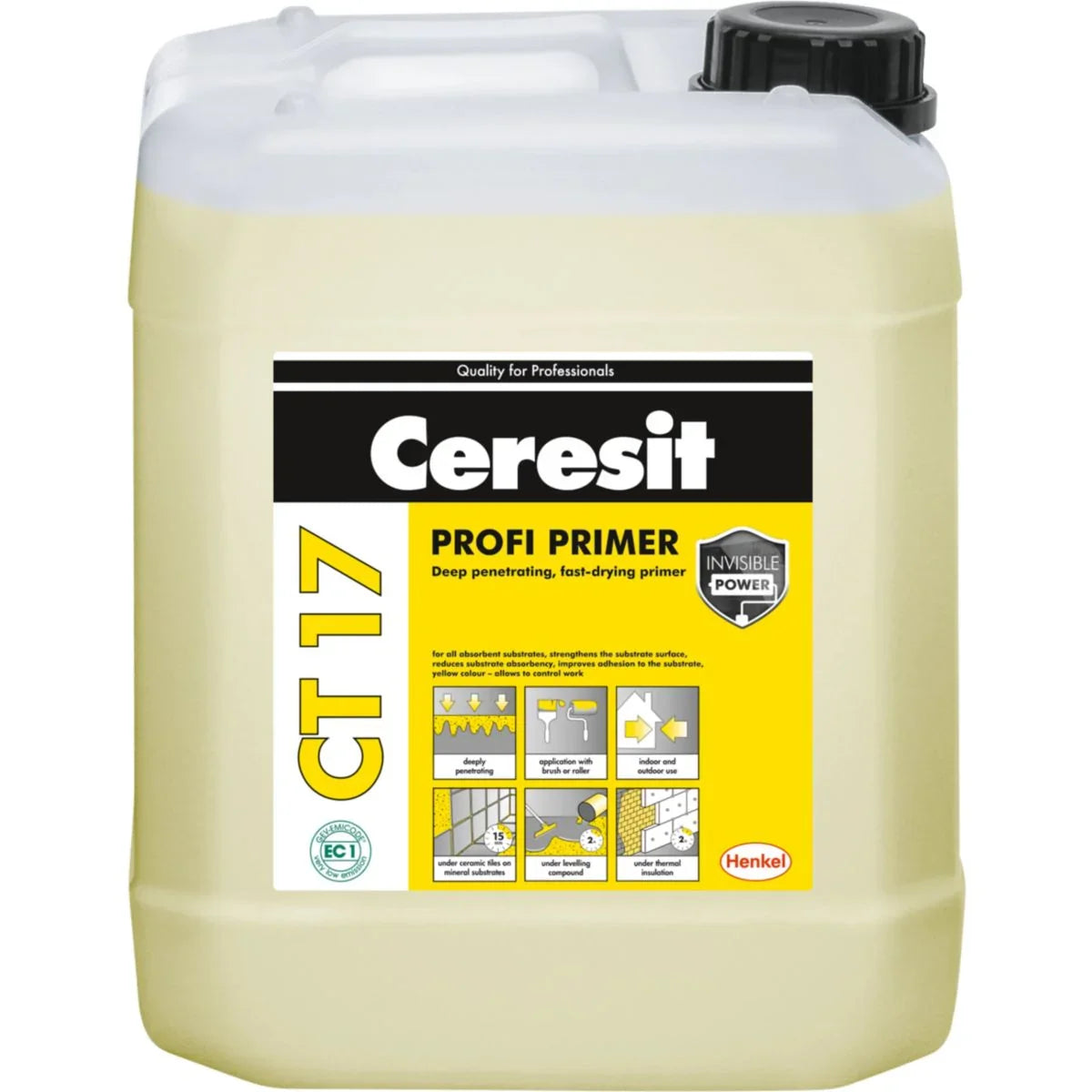
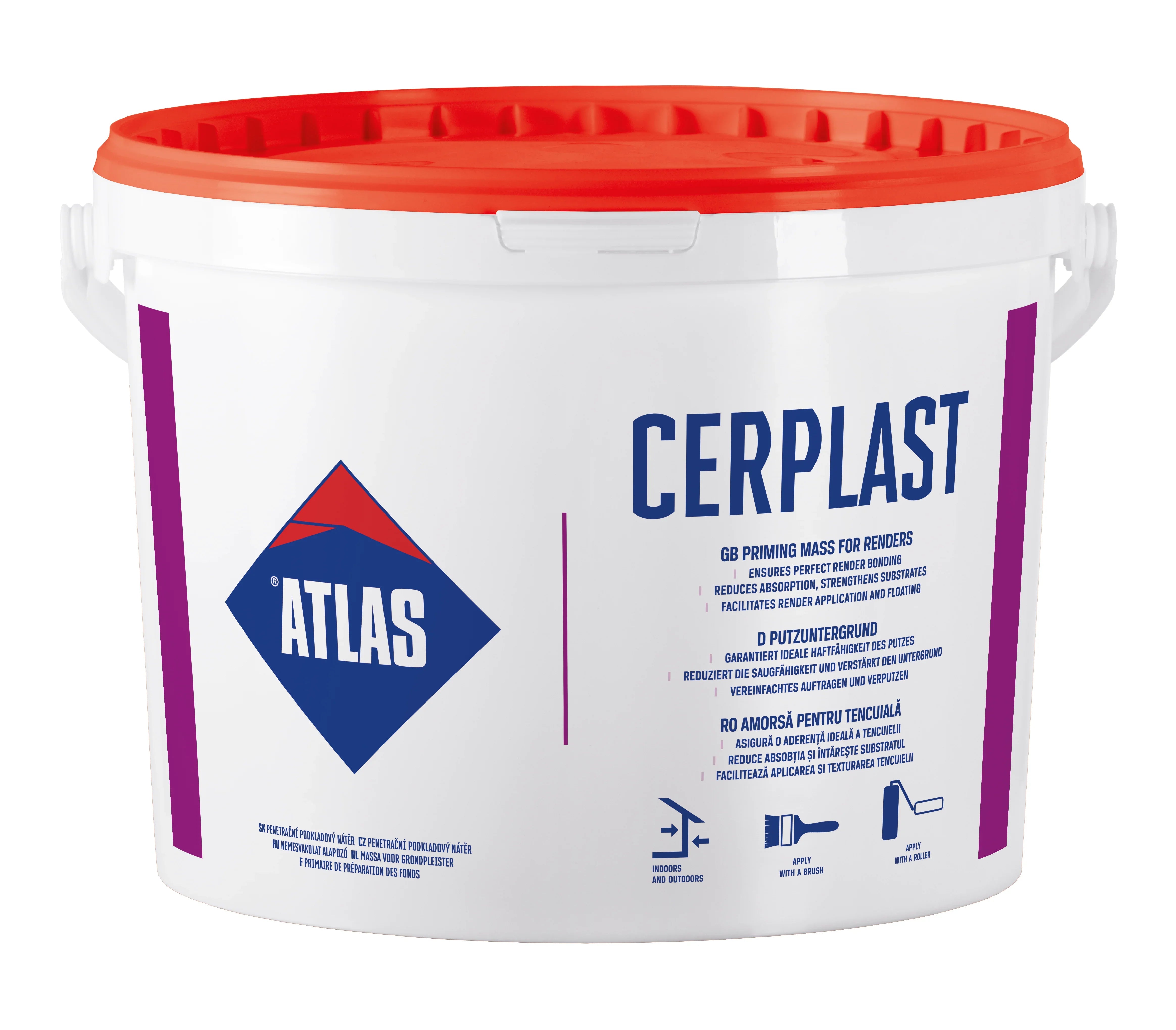
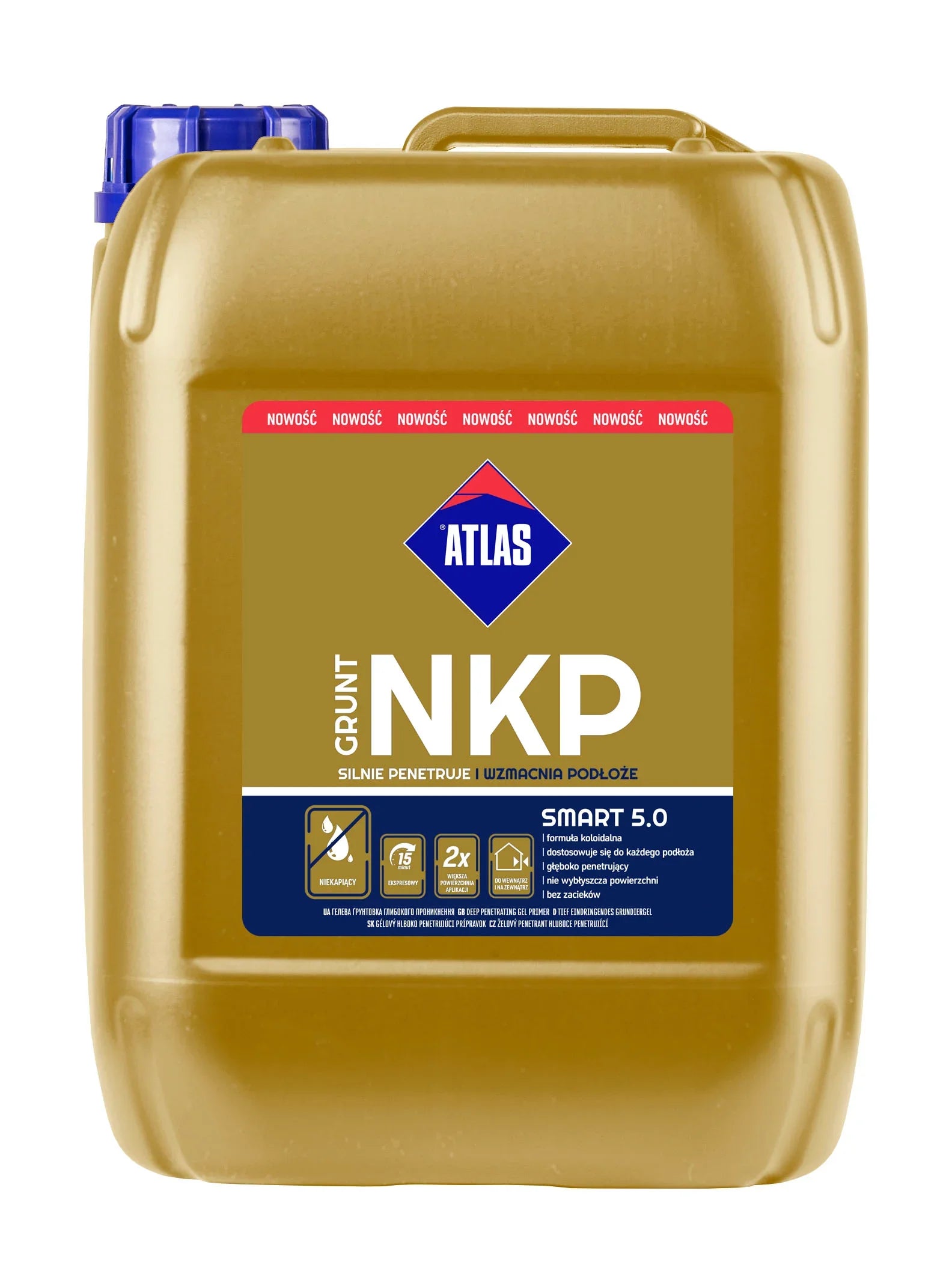
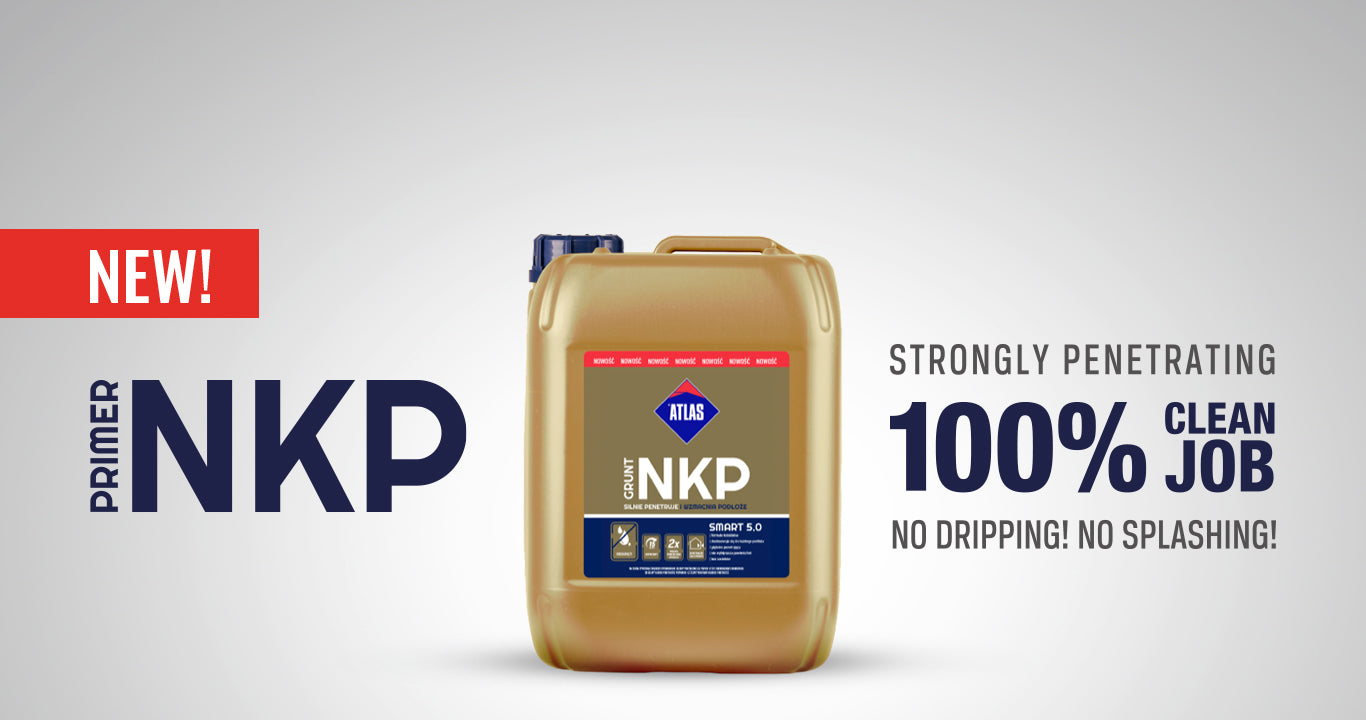
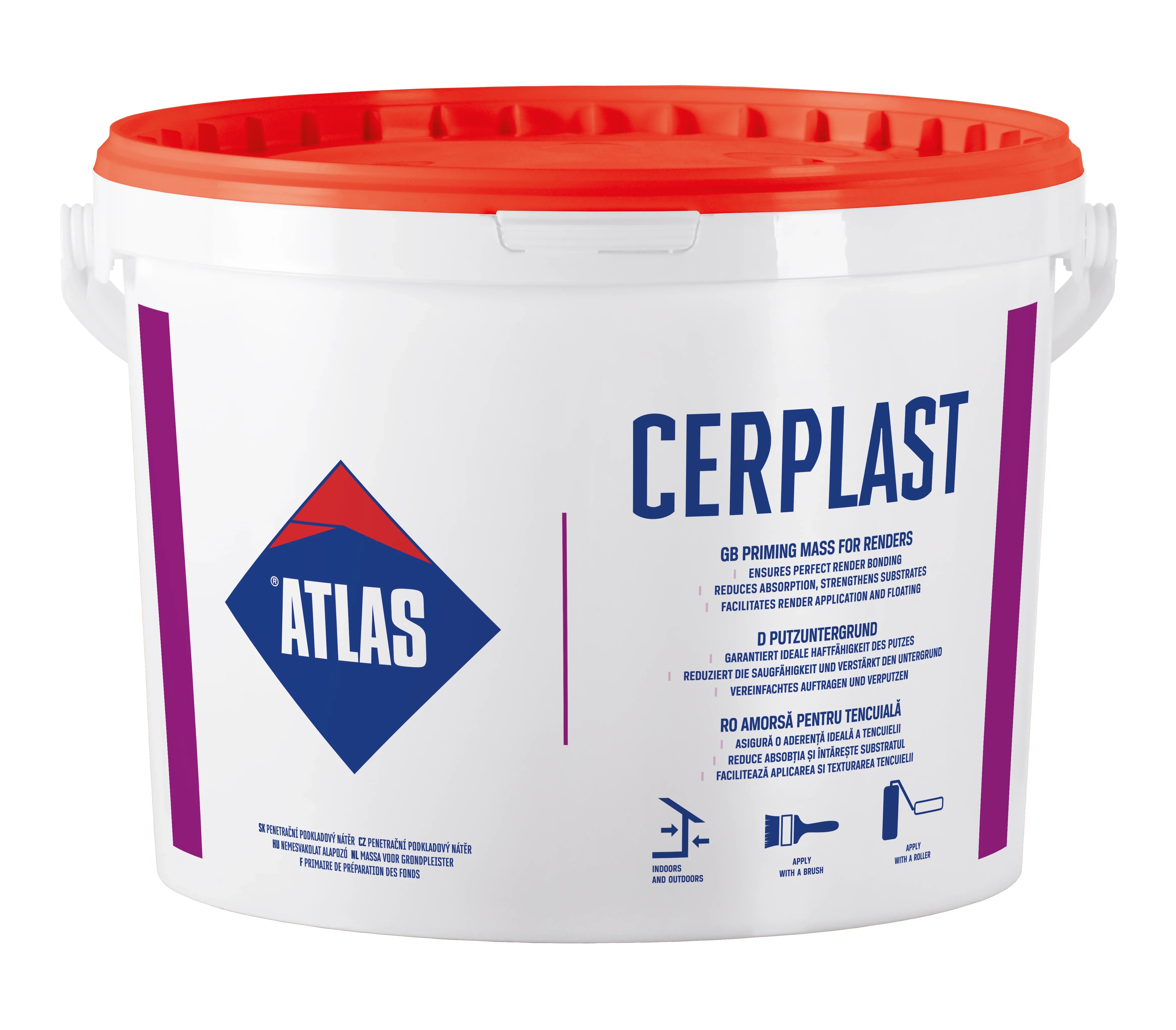
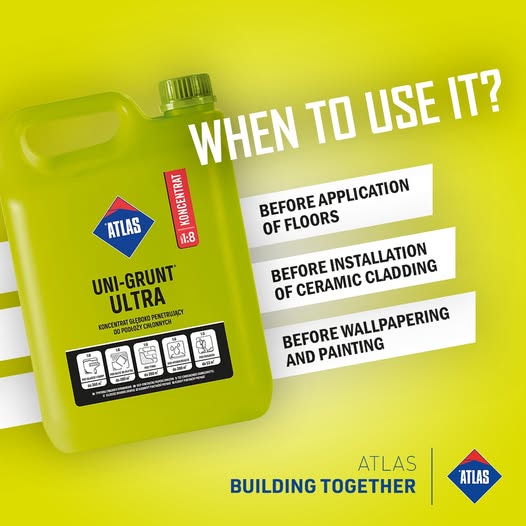
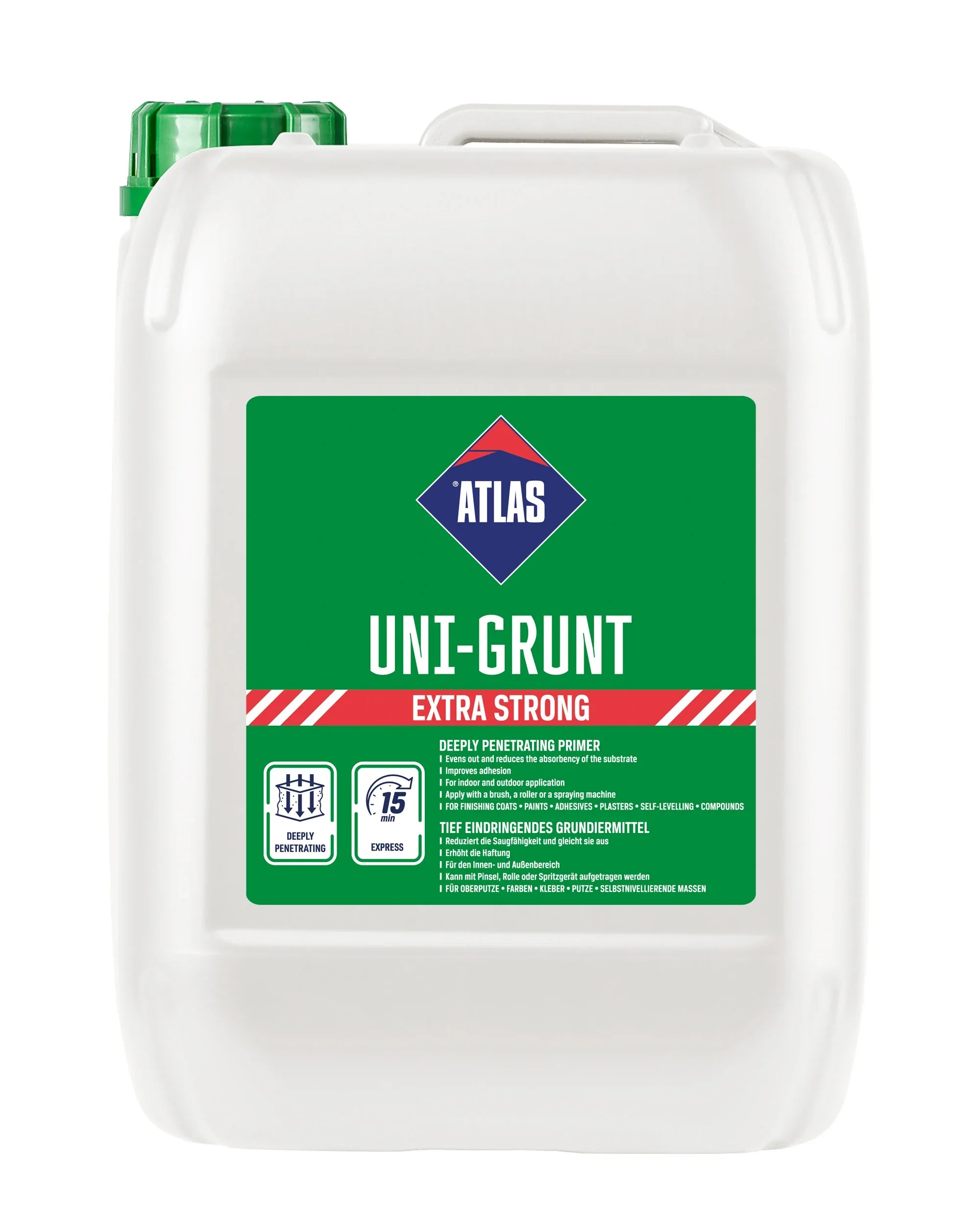

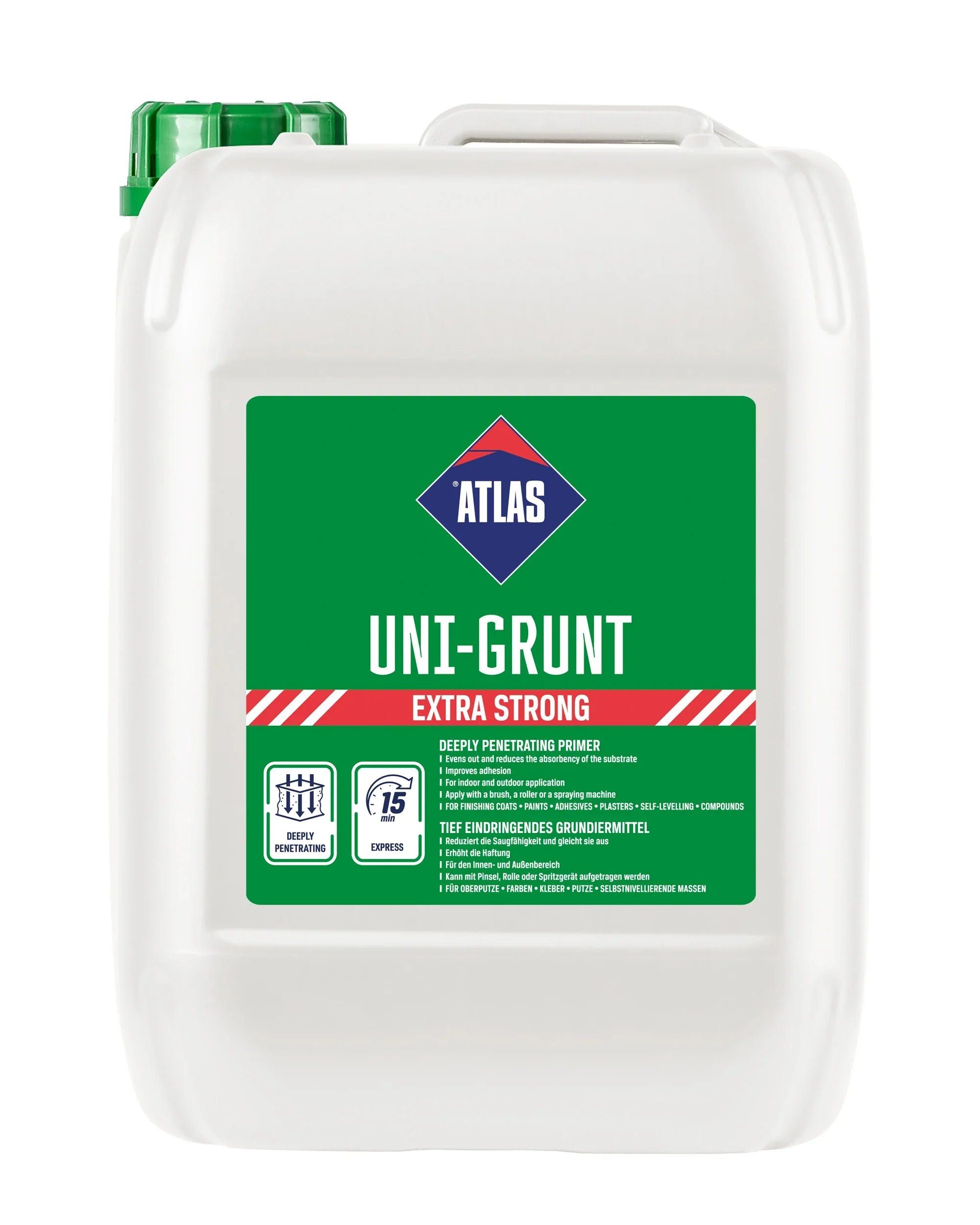
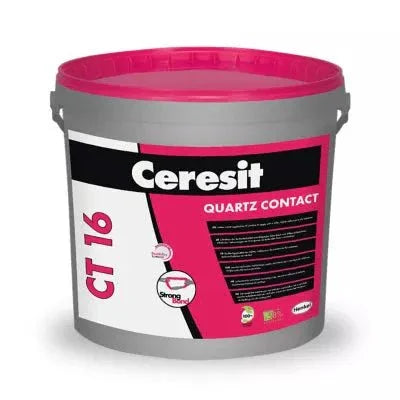
- Exterior Render Primers — universal deep-penetrating consolidators, quartz adhesion coats, and specialist heavy-duty primers that regulate substrate suction, bind loose surfaces, and provide the mechanical key every topcoat needs for long-term adhesion.
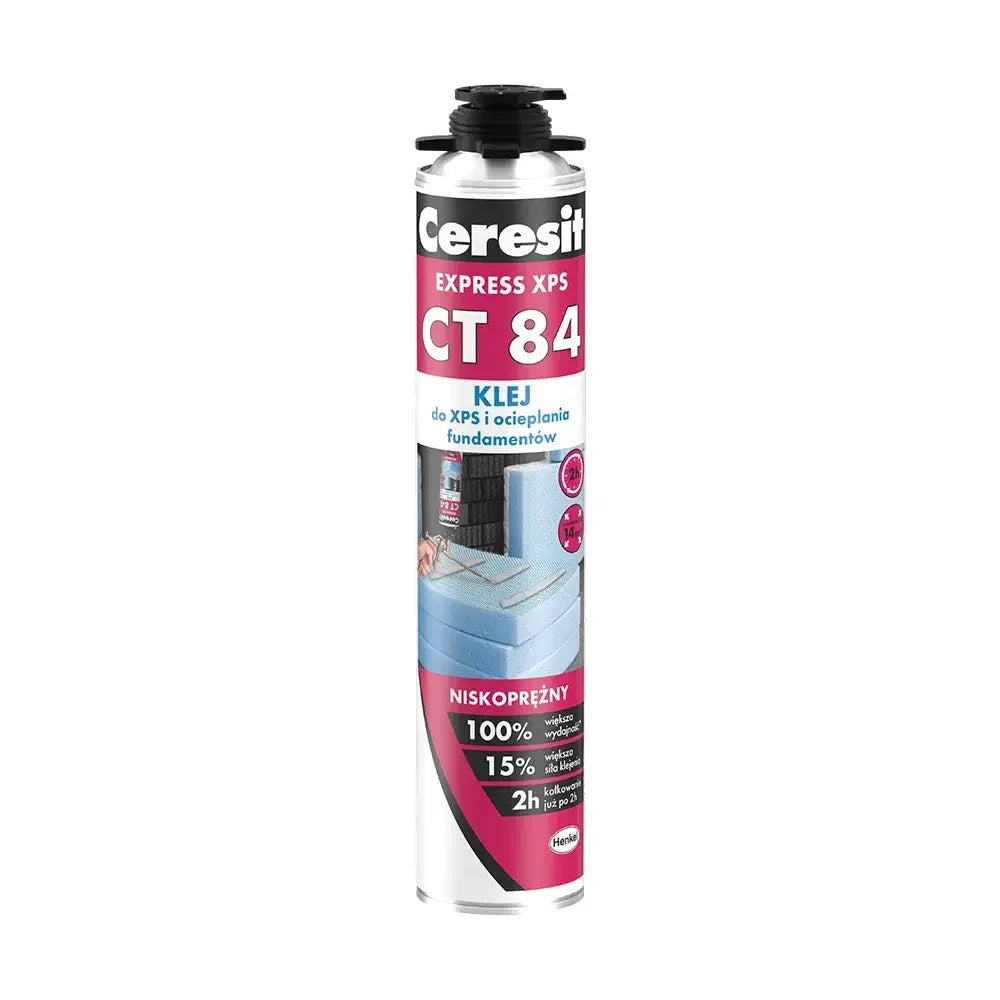
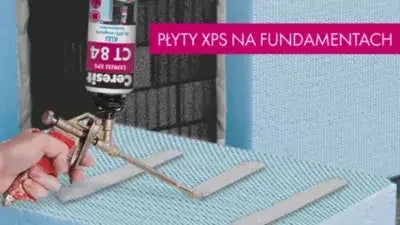
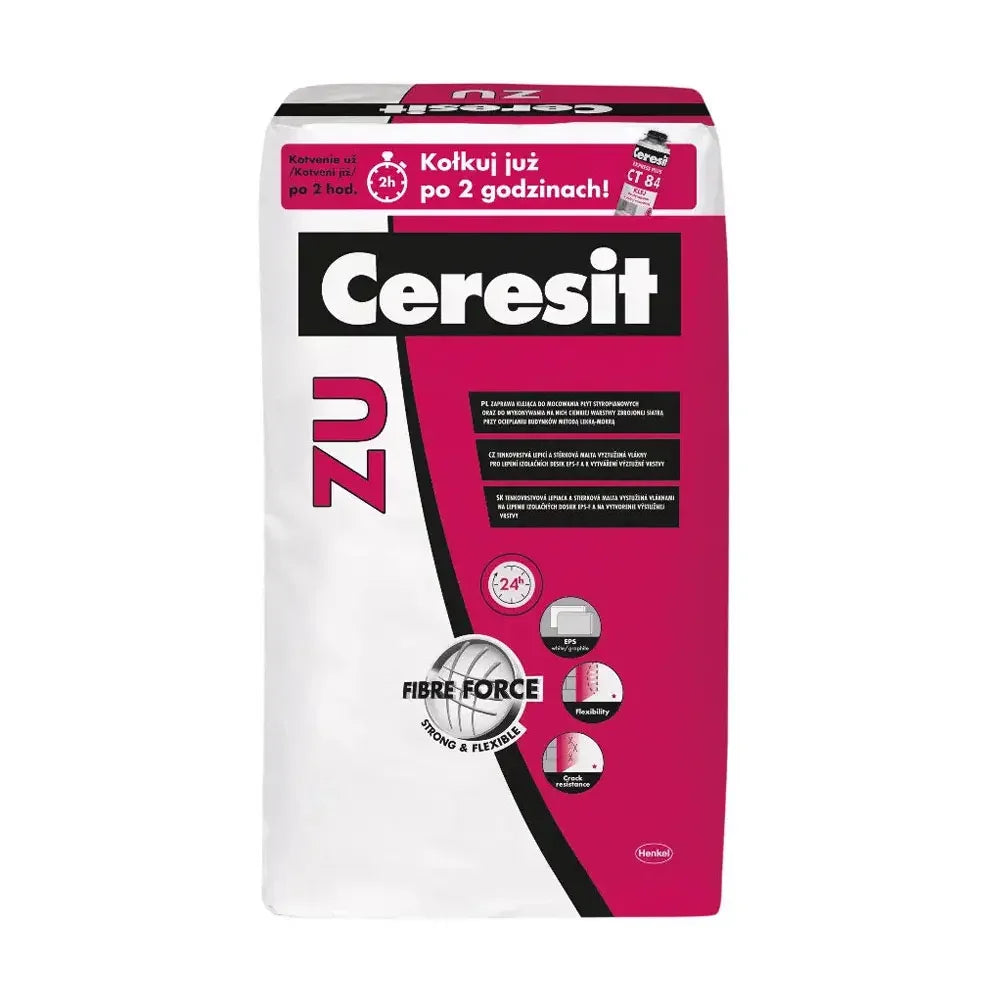
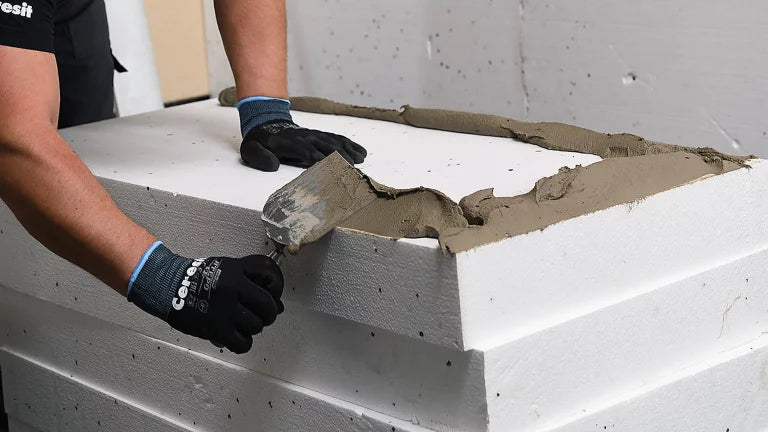
- EPS Adhesives and Basecoats — cementitious 2-in-1 adhesives and polyurethane foams that bond insulation boards to the substrate, plus the fibre-enhanced reinforcement layer that embeds alkali-resistant mesh and prevents surface cracking.
- Render Colour Charts and Catalogues — physical sample books and colour cards spanning the full Atlas 480-shade and Ceresit palettes. Confirm your specification against real applied textures in natural daylight before committing to full-size orders.
- Silicone Masonry Paints — hydrophobic, breathable facade coatings for refreshing existing render, painted plaster, or bare masonry without the weight or programme of a full render system.
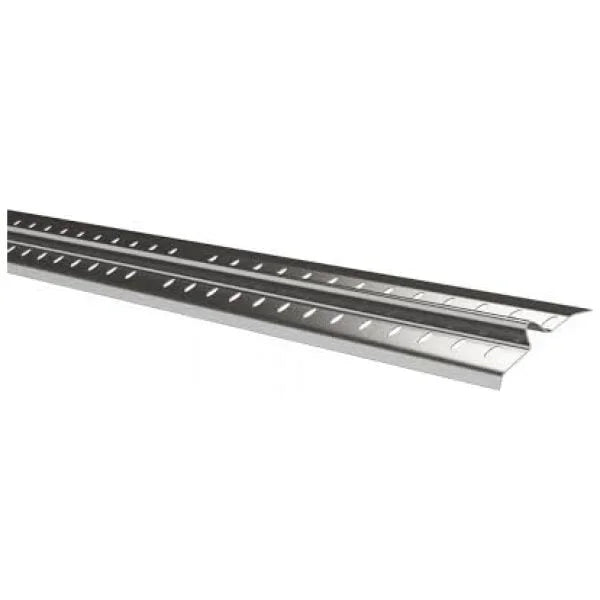
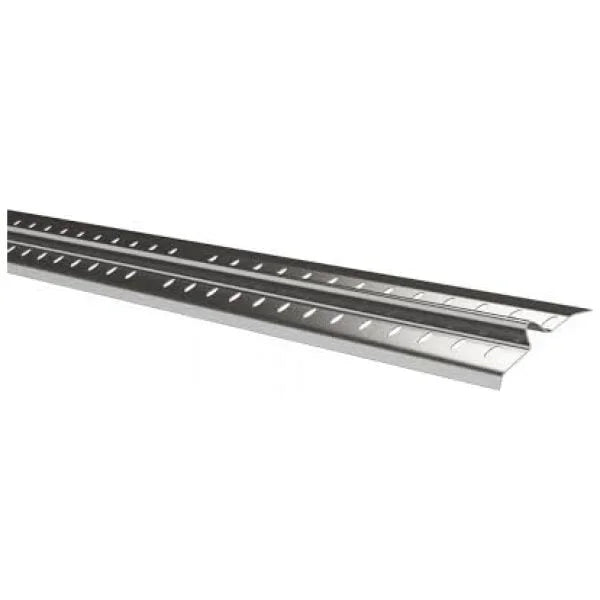
- Render Beads and Mesh — PVC and aluminium corner beads, stop beads, bellcast drip profiles, and alkali-resistant fibreglass mesh. The detailing and reinforcement components that protect every corner, edge, and termination in the build-up.
- Window Sill Extensions and Oversills — powder-coated aluminium oversills and verge trims in white and anthracite that restore the drainage overhang lost when EWI increases wall thickness, preventing water tracking behind insulation.
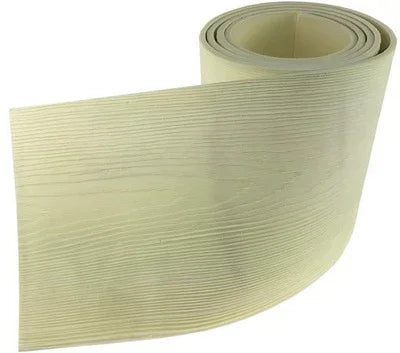
- Rendering Cement Boards — A1 fire-classified fibre cement carrier boards for timber and steel frame structures. A dimensionally stable, non-combustible render substrate that meets demanding fire and structural specifications, where project fire strategy requires.
- Power Floats and Sponges — mechanical smoothing machines, replacement pads in multiple densities, and professional-grade sponges for even basecoat finishing, topcoat texturing, and tiling clean-up across large elevations.
- Cleaning Products — specialist biocidal washes for algae and mould, solvent-based resin removers, and acid-free cement cleaners formulated to restore rendered facades without compromising the hydrophobic performance of the finish.
If this is your first project and the house is a standard brick or block build without insulation, Premium Silicone Render paired with its matched primer is the most commonly specified starting point — every other category in the directory supports, complements, or replaces parts of that core specification.
Where These Materials Fit on UK Projects
A correctly built render system keeps a building warmer, drier, and visually fresh for decades. Each layer bonds to the one beneath it, from substrate preparation through reinforcement to the final decorative finish that handles UK weather cycles — and the seven pillar guides below take each stage further than this hub can.
Across domestic retrofit, new-build housing, and commercial refurbishment, every component performs in concert with adjacent layers — delivering thermal efficiency, weatherproofing, and typical alignment with current Approved Document L guidance, subject to project-specific calculation. The build-up below shows where each layer carries the load.
- Substrate primer — regulates suction and binds loose surfaces.
- Adhesive bond — fixes insulation board to the substrate, where EWI is specified.
- Mechanical fixings — anchor the board pattern against wind load.
- Fibre-reinforced basecoat with embedded fibreglass mesh — distributes movement stress across the elevation.
- Topcoat primer — anchors the decorative layer and equalises absorption.
- Decorative thin-coat finish — delivers colour, texture, and weather protection at typical 2.5–3.5 kg/m² coverage.
Profiling beads and bellcast drips finish every corner, edge, and termination. Getting that detailing right matters more for long-term performance than which topcoat brand sits on top.
Thin-Coat Application Across Whole Elevations
Most UK trade jobs use the thin-coat method — typically 2–3 mm of through-coloured render at roughly 2.5–3.5 kg/m² coverage, trowelled onto a primed, mesh-reinforced basecoat. The pillar guide on thin-coat render application, step by step walks installers through priming, basecoat embedment, primer interlayer, topcoat application, and final structuring in one continuous sequence. Installers consistently report that getting coverage and timing decisions right at quotation stage prevents almost every avoidable margin loss on site.
Substrate preparation underpins the rest of the programme. The companion guide on substrate preparation before rendering covers the dust, suction, and consolidation checks that decide whether the topcoat performs as the data sheet promises, with practical detail on brick, block, concrete, and previously painted walls.
Primer Selection and Critical Detailing
An even, long-lasting finish starts with the primer. It anchors every subsequent layer and regulates moisture movement, so the topcoat cures uniformly across the elevation rather than blotching or banding. The comparison piece on the best primer for silicone render ranks the options by substrate type and topcoat chemistry, with quartz, deep-act, and concentrate primers each having their own sweet spot.
At openings and corners, the pillar on render detailing around windows and doors shows where bellcast and stop beads keep water out of the wall structure — and where most facade failures actually originate. Detailing carries more performance load than the topcoat brand for most UK elevations.
Finish Selection, Colour, and Cracking Prevention
Topcoat selection drives both the look and the maintenance cycle for the next twenty-plus years. The pillar comparison on silicone render versus acrylic render sets out where each chemistry performs best on UK elevations — silicone for exposed and coastal facades, acrylic for sheltered south-facing walls where budget matters more than vapour permeability. The colour-led pillar on choosing silicone render colours covers light reflectance value, exposure orientation, and palette coordination across multi-elevation buildings.
To keep the finished facade crack-free, the diagnostic pillar on render cracking — causes and prevention explains where mesh placement, basecoat thickness, and movement detailing carry the load. Many installers assume cracking is a topcoat problem; in our experience across UK retrofit and new-build projects, the cause typically sits one or two layers deeper, in the basecoat or substrate preparation. The full Knowledge Hub indexes every guide alongside diagnostics, regulations, and grants resources.
Why UK Specifiers Source Rendering Materials From Renders World
Sourcing every compatible render system component from one specialist supplier delivers a single, accountable specification across projects of any scale — and the difference shows on tight schedules. Our Southampton warehouse runs next-day delivery on the majority of in-stock orders to mainland addresses, keeping site programmes on track whether you are rendering a single elevation or a multi-plot housing development.
- Professional materials from certified manufacturers. Atlas and Ceresit thin-coat renders, primers, basecoats, and detailing components from one stock-holding distributor — every line backed by EN 15824 or EN 998-1 Declarations of Performance and held against next-day dispatch.
- Direct trade pricing on bulk and pallet quantities. Bulk and pallet rates for trade accounts, with quotation support on full-project quantities and U-value-driven specification for EWI retrofit programmes. Trade account applications run alongside ongoing technical specification support, so bulk pricing is set against the project rather than the line item.
- Expert technical support before you commit to materials. System specification, substrate compatibility checks, and full EWI build-up advice backed by published technical data sheets and manufacturer Declarations of Performance — fifteen years as an Atlas and Ceresit trade distributor informs every recommendation.
- One supplier, one accountable specification. Sourcing the substrate primer, adhesive, mesh, basecoat, topcoat primer, decorative finish, and detailing beads from one warehouse keeps the warranty chain intact and removes interface risk between components.
For detailed technical guides covering UK regulations, substrate preparation, installation best practice, and product comparison, explore the full Knowledge Hub.
FAQ — Specification, Ordering, and Compatibility
What types of rendering materials does Renders World supply?
You can source a complete external rendering system from one order. The portfolio spans silicone and acrylic thin-coat renders, mosaic plinth finishes, concrete and timber-effect coatings, exterior primers and quartz bonding coats, EPS adhesives and fibre-enhanced basecoats, alkali-resistant mesh, profiling beads, oversills, fibre cement carrier boards, silicone masonry paints, power floats, and facade cleaning products. All lines come from certified manufacturers including Atlas and Ceresit, held in stock for next-day UK delivery on the majority of orders.
Are your rendering products BBA or ETA certified?
The majority of render systems in the range carry BBA certification or have been assessed under the European Technical Assessment framework, with Declarations of Performance available from each product page. Subject to current published guidance, the technical team can confirm the exact certification status for your specified system before you order — keeping the documentation trail from product selection through to site handover complete and traceable for projects requiring NHBC sign-off, Building Control approval, or PAS 2035 retrofit coordination.
How do I choose the right rendering system for my project?
Three decisions set the specification. First, the substrate — brick, block, concrete, or insulated. Second, whether external wall insulation is being added, which adds bonding adhesive, boards, fixings, and a reinforced basecoat to the build-up. Third, the decorative finish, which drives both the look and the maintenance cycle. For most standard brick or block homes without insulation, a silicone topcoat paired with its matching primer delivers the most durable, low-maintenance result across UK weather exposures. The technical team specifies every component as one compatible, certified assembly so nothing is left to guesswork.
Do you offer next-day delivery on rendering supplies?
Orders placed before the daily cut-off are dispatched for next-day delivery across mainland UK on the majority of in-stock lines, keeping site programmes on track. Pallet orders, full-project quantities, and deliveries to Scottish Highlands, Northern Ireland, or offshore locations may carry extended lead times — contact the trade team directly for accurate scheduling on larger consignments, so materials arrive when the scaffold is ready rather than before or after.
How much do rendering materials typically cost per square metre?
Material cost for a complete thin-coat render system on uninsulated masonry typically lands between approximately £18 and £32 per square metre, covering primer, mesh-reinforced basecoat, topcoat primer, and finish coat. EWI build-ups add insulation boards, adhesive, and mechanical fixings — typically lifting total system cost to the £45 to £75 per square metre range depending on board thickness, finish chemistry, and bespoke colour requirements. Trade account holders receive bulk and pallet pricing against project quantities, and the technical team can build a fully-priced bill of materials from a quantity surveyor's facade schedule before commitment. Approximate figures shown are working trade ranges subject to current pricing — formal quotation confirms exact project cost.
Where can I find technical guidance on specification and installation?
The Knowledge Hub publishes practical guides covering UK building regulations, system selection, substrate preparation, installation best practice, and product comparison. Each guide links directly to the relevant product collections, so moving from research to ordering happens in one click rather than a separate search. New articles are added regularly as standards evolve and product specifications update.