
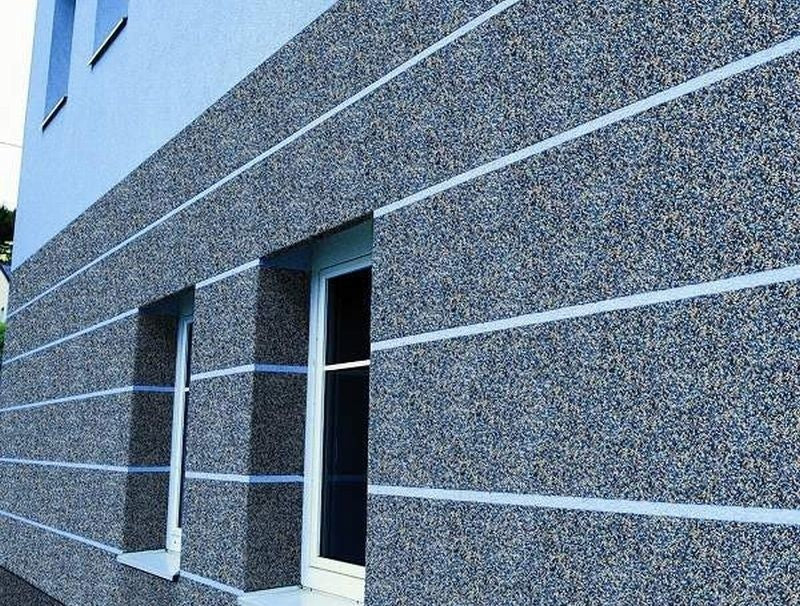
Description
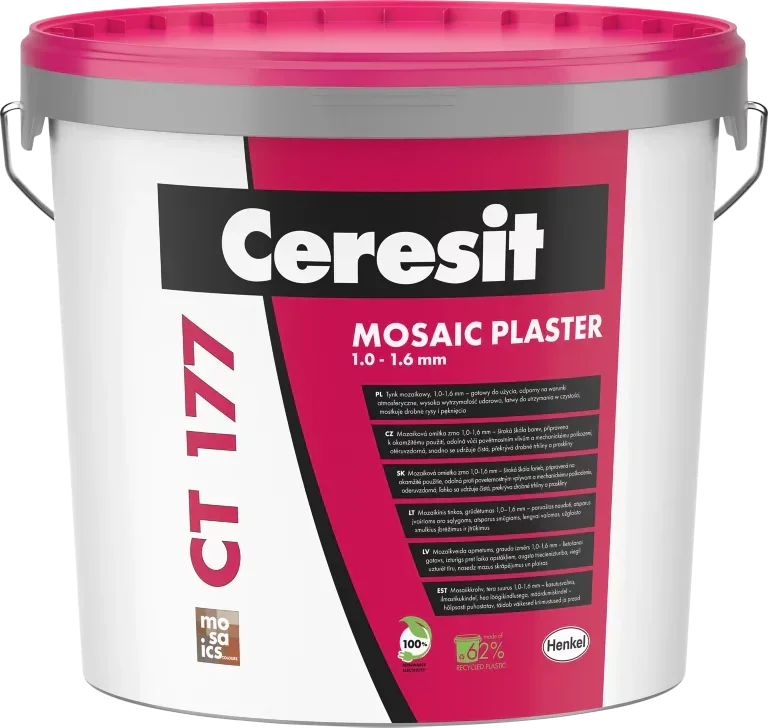
Ceresit CT 177 Mosaic Render 10 kg — Precision-Quantity Quartz Finish Covering 2.5 m²
Product Overview
Ceresit CT 177 mosaic render in a 10 kg bucket covers approximately 2.5 m² of plinth, reveal, or entrance surround at a yield of 4.0 kg/m², delivering the same resin-bound coloured quartz finish and Category I impact resistance (ETAG 004) as its trade-volume sibling — in a pack size that eliminates surplus material on small repairs, single feature panels, and individual reveal zones. Within the mosaic renders collection at Renders World, this precision-quantity format is the practical choice when you need to match an existing plinth section, finish a pair of window reveals, or add a decorative accent to an entrance surround without opening a full 25 kg bucket.
Every performance characteristic is identical to the larger pack — you get the same tough, self-cleaning mosaic surface that resists driven rain, mechanical knocks, and biological growth at ground level. Both sizes share the same Ceresit CT 177 formulation: transparent acrylic resin blended with 1.0–1.6 mm coloured quartz aggregate, which is what makes the surface so durable. Colour sits within each quartz grain rather than on top as a paint film, so there is no coating to peel, chalk, or fade under UV exposure even on south-facing reveals. For architects and developers specifying small detail zones within a larger EWI project, CT 177 holds European Technical Assessments across multiple Ceresit Ceretherm insulation systems and a Declaration of Performance (No. 00469) under EN 15824:2017 (current edition), confirming W3 water absorption, V2 vapour permeability, and Category I impact resistance — in plain terms, the product is independently tested and certified to keep water out, let walls breathe, and withstand everyday knocks.
Key Benefits
- Right Quantity, Zero Waste on Small Areas: The 10 kg bucket covers approximately 2.5 m² at a yield of 4.0 kg/m², which means a single bucket finishes a pair of standard window reveals or a short plinth return without leaving half a tub of unused material to skin over in storage — saving material cost and site clean-up time on precision jobs.
- Impact-Proof Protection Where It Matters Most: Reveals, entrance surrounds, and plinth corners absorb the most daily contact on any facade, and the dense quartz-resin matrix achieves Category I impact resistance (ETAG 004) — the highest thin-layer classification, meaning everyday knocks from keys, bags, and foot traffic are absorbed without cracking or chipping.
- Rain Runs Off, Moisture Escapes: Splashback and driven rain bead away from the surface rather than soaking in, thanks to a W3 water-absorption rating (w ≤ 0.1 kg/m²·h⁰·⁵ under EN 15824:2017). At the same time, the render lets your walls breathe — V2 vapour permeability (Sd 0.14–1.4 m) allows trapped moisture to escape outward, so damp never builds up behind the finish. This is essential for solid-wall reveals and plinth returns without a cavity.
- Colour That Stays True Without Repainting: A patched reveal or repaired plinth section blends invisibly with the original finish because the pigment is locked inside each quartz grain, not applied as a surface film. There is no paint layer to age at a different rate from the surrounding area, so repairs stay colour-matched for the life of the facade.
- Crack-Free Through UK Freeze-Thaw Cycles: The flexible acrylic-resin binder stretches and contracts with seasonal substrate movement (the transparent resin matrix absorbs micro-movement rather than resisting it), keeping small detail zones seamless where a rigid cement-based finish would develop hairline fractures — particularly important around window and door openings where thermal movement is concentrated.
Technical Specifications
The 10 kg and 25 kg packs share the identical Ceresit CT 177 formulation — every performance value below applies equally to both sizes. The only variable is bucket weight and the area each one covers.
| Property | Value |
|---|---|
| Pack Size | 10 kg bucket |
| Approximate Coverage | ~2.5 m² per bucket |
| Yield | ~4.0 kg/m² |
| Grain Size | 1.0–1.6 mm |
| Density | ~1.75 kg/dm³ |
| Base | Aqueous synthetic resin dispersion with coloured mineral fillers |
| Adhesion (EN 15824:2017) | 0.6 MPa |
| Water Absorption (EN 15824:2017) | W3 — w ≤ 0.1 kg/m²·h⁰·⁵ |
| Vapour Permeability (EN 15824:2017) | V2 — Sd 0.14–1.4 m |
| Impact Resistance (ETAG 004) | Category I |
| Interlayer Adhesion After Ageing (ETAG 004) | ≥ 0.08 MPa |
| Water Absorption 24 h (ETAG 004) | < 0.5 kg/m² |
| Thermal Conductivity (EN 15824:2017) | λ = 0.61 W/(m·K) |
| Application Temperature | +10 °C to +25 °C |
| Preliminary Drying Time | ~30 min |
| Rain Resistance | ~3 days |
| Fire Reaction (EN 13501-1) | B-s1,d0 / B-s2,d0 (system-dependent) |
| Declaration of Performance | No. 00469 (EN 15824:2017) |
Application & Compatibility
The 10 kg bucket suits targeted application zones — window reveals, door surrounds, plinth returns, and decorative accent panels — where the smaller quantity gives you precise material control without the pressure of working through a large tub before the resin begins to cure. Priming with a quartz-based primer such as Ceresit CT 16 or Atlas Cerplast before application creates a keyed surface for reliable adhesion and evens out substrate suction, and tinting the primer close to the mosaic aggregate colour prevents the grey basecoat from showing through the transparent binder on lighter blends.
- Recommended Substrates: Mosaic render bonds securely to most common UK wall types — brick, block, concrete, and previously rendered surfaces — provided the substrate is stable and dry. Specifically, it works on mature cement or cement-lime plasters (28+ days old), concrete (3+ months old, moisture ≤ 4 %), and reinforced basecoat layers made with Ceresit ZU, CT 85, CT 190, or CT 100 mortar (3+ days old). Gypsum substrates are suitable indoors only and require Ceresit CT 17 deep-penetration primer before the CT 16 quartz coat.
- Reveal and Small-Panel Technique: Each reveal or panel can typically be completed with one bucket in a single wet-on-wet pass — the 10 kg format means you open a fresh bucket for each zone rather than returning to a partially used 25 kg tub that may have begun to skin over, giving you consistent resin viscosity and aggregate distribution from start to finish.
- HBW Colour Guidance: Lighter aggregate shades with a light-reflectance value (HBW) of 20 or above suit any facade area without restriction. Darker colours below HBW 20 are ideal for the small accent zones the 10 kg bucket is designed for — reveals, plinths, and architectural details — where solar heat gain stays proportional to the limited surface area. Our mosaic render plinth application guide covers safe colour-zoning strategies for mixed-finish projects.
Installation Notes
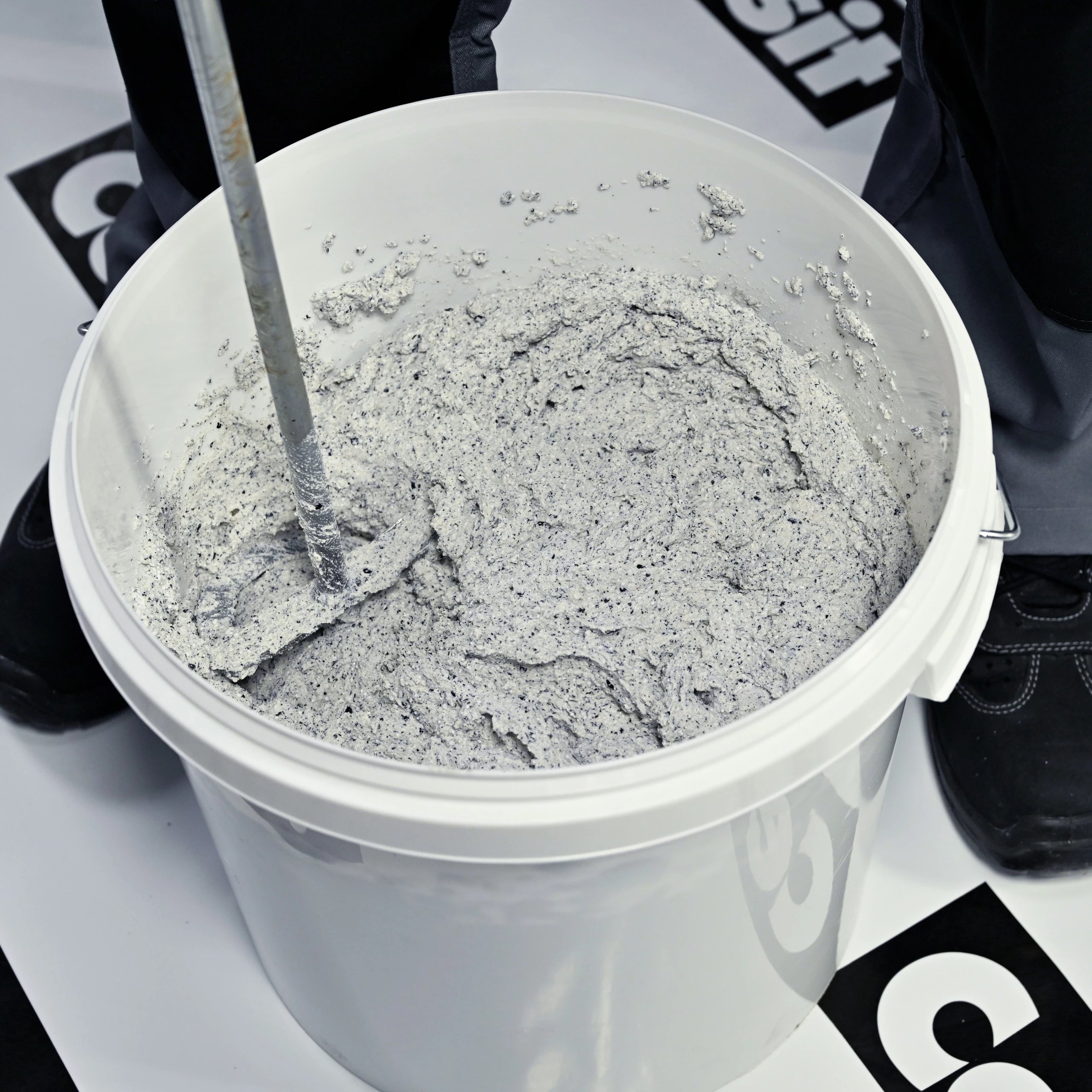
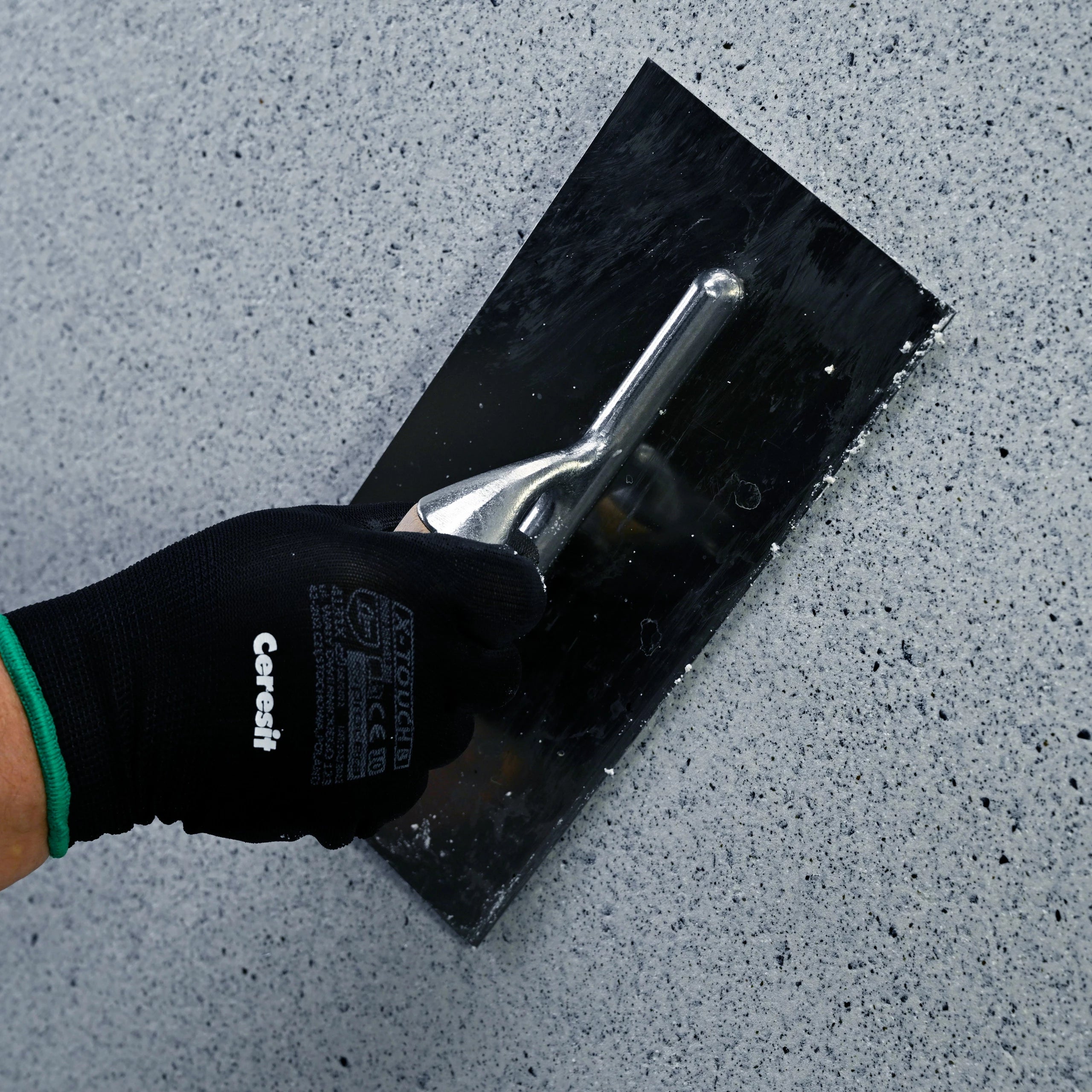
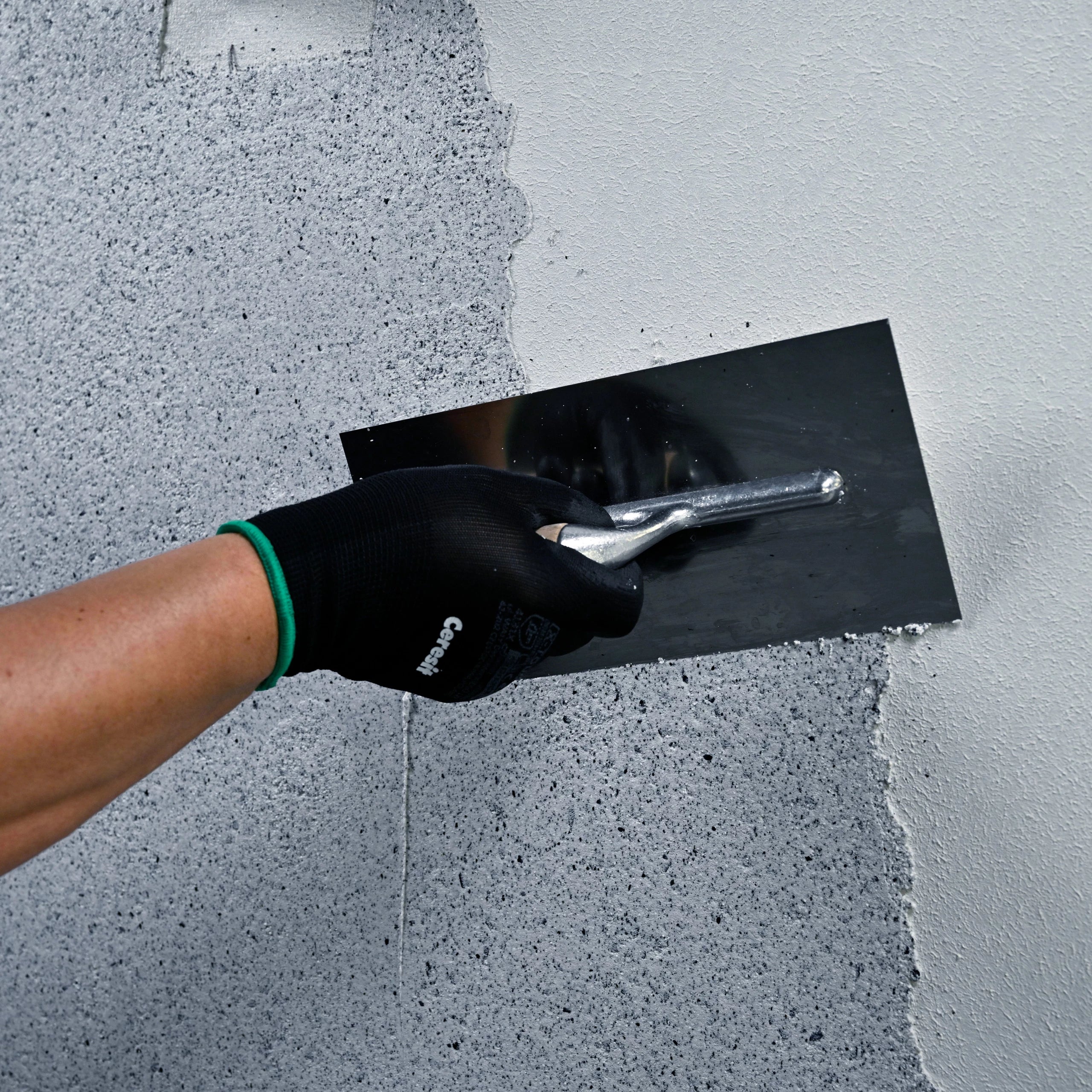
Working with a 10 kg bucket on a small zone means you can complete most reveals and accent panels in a single uninterrupted pass — the resin begins curing within approximately 30 minutes, so a defined area of 2.5 m² or less naturally fits within that working window without rush. Stir the full bucket on a slow-speed drill with a basket mixer until the resin and aggregate are homogeneous; a maximum of 100 ml of clean water per 10 kg may be added if the consistency needs adjustment (proportional to the 250 ml per 25 kg limit stated in the TDS). Apply with a stainless-steel float in a single direction at approximately 1.5 × grain thickness (roughly 2.0–2.5 mm wet), letting the aggregate settle into its natural random texture without circular trowelling. For the cleanest edge where the mosaic finish meets a different render type, mask the boundary with adhesive tape before application and remove the tape while the material is still fresh — rather than cutting in against a cured edge, where the blade can disturb settled aggregate. Protect the finished area from rainfall for at least three days with localised sheeting to ensure a clean, even cure.
Trade Insight / Installer's Note
The 10 kg bucket earns its place on the van for callback repairs and detail work where opening a 25 kg tub leaves too much unused material. Matching the CT 16 quartz primer colour to the mosaic aggregate shade is even more important on small areas — a colour mismatch between primer and aggregate is more noticeable on a single reveal than across a full plinth elevation, so taking the extra minute to tint accurately pays off in a seamless finish. A well-matched repair blends invisibly even years after the original application because the quartz aggregate formulation is colour-stable — so confirm the original batch colour code before ordering and the new section disappears into the existing finish. Keeping the sealed bucket between +5 °C and +25 °C in the van preserves the resin's workability — so the material is ready to use the moment you arrive on site.
Is This Product Right for Your Project?
- Yes — for reveals, repairs, and decorative accent panels: The 10 kg Ceresit CT 177 bucket covers approximately 2.5 m² of impact-resistant, colour-permanent mosaic finish — exactly the right quantity for a pair of window reveals, a short plinth return, an entrance surround, or a patch repair where a full 25 kg bucket would leave surplus material.
- Need a larger pack for a full-house plinth? The Ceresit CT 177 mosaic render in a 25 kg bucket covers approximately 6 m² using the identical formulation at the same 4.0 kg/m² yield — the trade-volume choice for complete house plinths, multi-elevation projects, and any job where batch-consistent coverage across large areas matters.
- Looking for a self-cleaning finish across main wall elevations? Above plinth height, where impact resistance is less critical than breathability and self-cleaning performance, a silicone or silicone-silicate topcoat offers superior vapour permeability and hydrophobic action over broad exposed surfaces. Our guide to decorative facade finishes explains how to pair mosaic render below the DPC line with a silicone topcoat above for a complete dual-finish facade specification.
Frequently Asked Questions
How many 10 kg buckets do I need for a pair of window reveals?
One bucket is usually sufficient for two standard window reveals, which together typically total 1.0–1.5 m² at the confirmed yield of approximately 4.0 kg/m². Measure each reveal's height and depth, multiply to get the total area, and add 10 % for edges and wastage — if the combined area exceeds 2.5 m², a second bucket ensures you can complete both reveals in a single wet-on-wet session without running short mid-application.
Can I use the 10 kg bucket to patch an existing mosaic plinth?
A single 10 kg bucket is the ideal format for patch repairs — it covers approximately 2.5 m² of surface, which is more than enough for a localised plinth section, a damaged corner, or a reveal that needs refreshing. Confirming the original batch colour code and ordering the matching shade ensures the repair blends invisibly, because the pigment sits within the quartz grains themselves and does not fade or shift over time. Applying the same CT 16 quartz primer to the prepared repair area before rendering gives the resin an even-suction surface to grip, so the new section bonds as securely as the original.
What is the minimum application temperature for this mosaic render?
Both air and substrate temperature must stay between +10 °C and +25 °C throughout application and for approximately three days afterwards while the acrylic resin cures — staying within this range ensures full cross-linking, which is what produces the hard, weather-resistant, colour-stable surface. For small areas like reveals and entrance surrounds, localised sheeting over the finished section is often enough to maintain temperature and humidity conditions without full scaffold protection.
Is the 10 kg mosaic render breathable enough for solid-wall reveals and plinth returns?
Moisture trapped in a solid masonry wall migrates outward through the mosaic render rather than accumulating behind it, which is exactly the performance older properties without a cavity require. Ceresit CT 177 achieves a V2 vapour-permeability rating (Sd 0.14–1.4 m under EN 15824:2017), confirming that water vapour passes through the coating at a rate compatible with dense-brick and stone substrates — so a repaired reveal or replaced plinth section breathes exactly as well as the rest of the wall.
Is the 10 kg mosaic render the same formulation as the 25 kg?
Every performance characteristic is identical — the same transparent acrylic resin, the same 1.0–1.6 mm coloured quartz aggregate, the same Category I impact resistance, W3 water absorption, and V2 vapour permeability ratings under EN 15824:2017. The only difference is bucket size and the area each one covers: 10 kg finishes approximately 2.5 m² while 25 kg finishes approximately 6 m². Choosing between them is purely a question of project scale, not performance.


