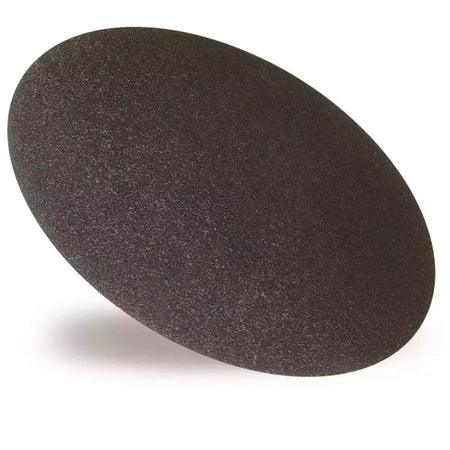
POWER FLOATS & SPONGES
14 products
Showing 1 - 14 of 14 products
This is the one collection at Renders World where the register is the operator's rather than the applicator's, and everything below follows the Dedra manual for the machine itself — the tool side of the render build-up.
What the DED7767 Manual Declares
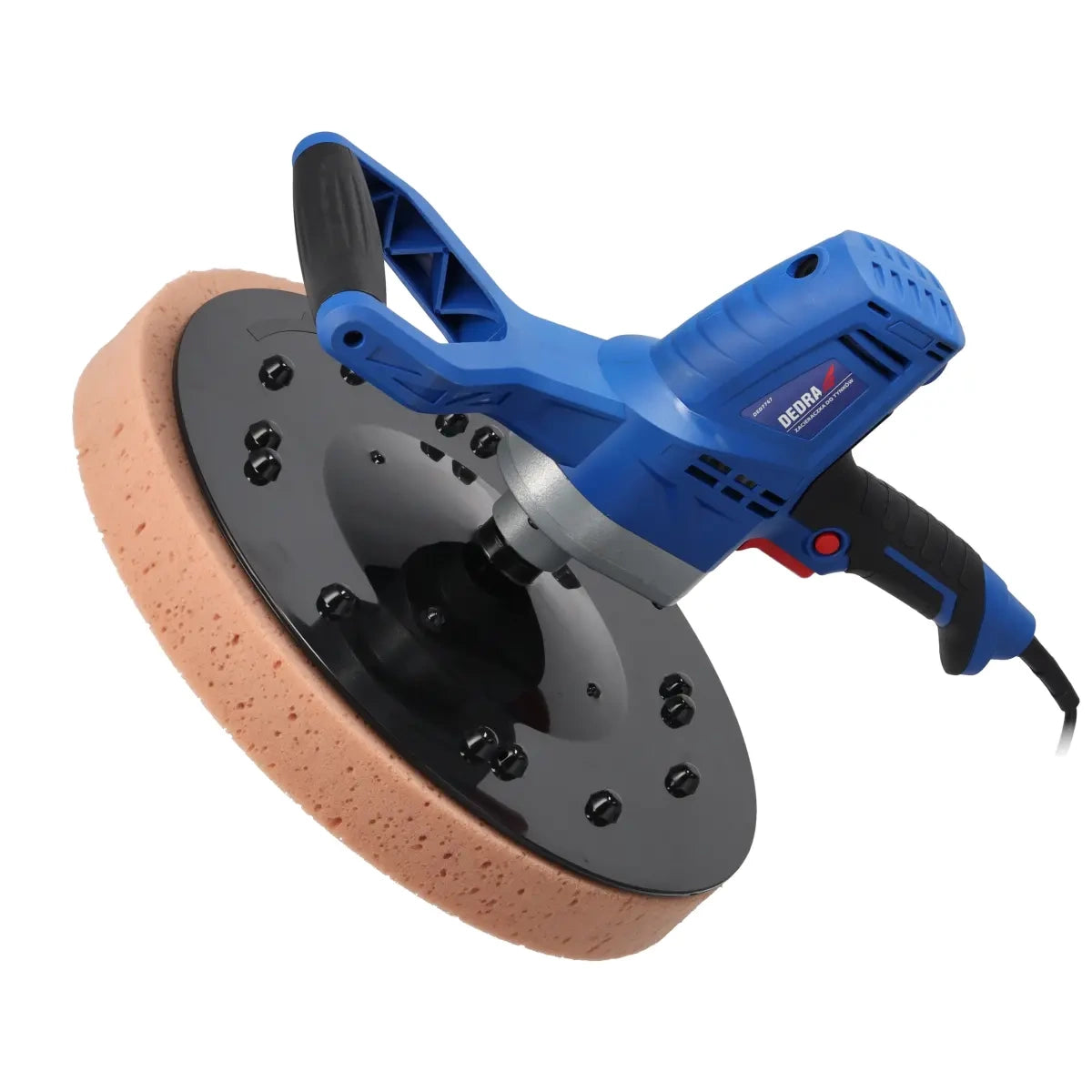
Power floats and sponges here are built around one 710 W machine whose manual declares a 110 min⁻¹ head speed and a 390 mm disc, and the figure that governs how you plan a day's work is neither of those.
The manual sets permissible working conditions as duty cycle S2, 15 minutes. That is an intermittent rating, so the machine is specified for a 15-minute working period followed by a cool-down, not for continuous running — which makes elevation-sized panels a matter of planned breaks rather than sustained output. Vibration at the handle is declared at under 2.5 m/s² with a measurement uncertainty of 1.5 m/s², measured to EN 60745-2-3:2011, which is what keeps sustained overhead use realistic within that duty cycle.
| Declared on the DED7767 manual | Value |
|---|---|
| Rated power | 710 W |
| Rated voltage and frequency | 230 V, 50 Hz |
| Rotational speed | 110 min⁻¹ |
| Disc diameter | 390 mm |
| Protection class and IP rating | Class II, IP20 |
| Sound pressure LPA | 83.4 dB(A), uncertainty 3 dB(A) |
| Sound power LWA | 94.4 dB(A), uncertainty 3 dB(A) |
| Vibration at handle | <2.5 m/s², uncertainty 1.5 m/s² |
| Permissible working conditions | S2, 15 minutes |
| Minimum supply cable and fuse | 1 mm², 10 A type C |
At 83.4 dB(A) sound pressure the manual requires hearing protection, along with eye protection and respiratory protection, and it declares the machine for lime-gypsum plasters, removing unevenness from existing plaster, stripping wallpaper, clearing mortar squeeze-out between bricks and taking dried plaster off concrete floors.
Two Pad Codes Are in Dispute — Order Them by Code
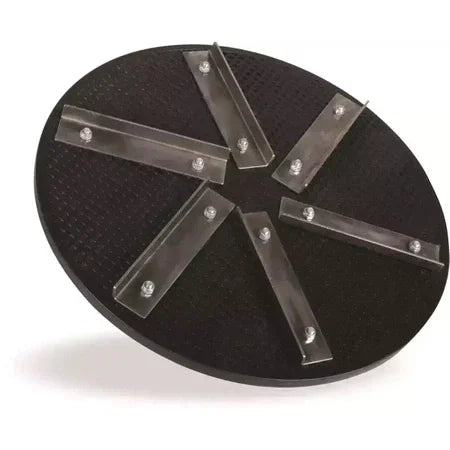
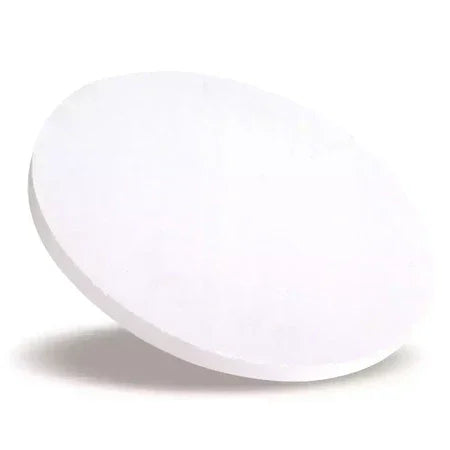
One finding on this page matters more than any specification. The manual assigns DED77674 to the stripping disc and DED77675 to the polystyrene disc, consistently in both its usage section and its accessories list. The live product titles in this collection assign them the other way round. One of the two sources is wrong about what is in the box, and this session cannot determine which.
- What is certain: both discs exist, both fit this platform, both are listed by the manufacturer as accessories bought separately, and both are stocked here.
- What this page will not state: the function of either code, in any wording — because a buyer ordering by function could receive the opposite tool.
- How to order safely: quote the code and describe the job to the Renders World technical desk, which confirms against current stock before dispatch.
- Also worth knowing: the manual says both are brak w kompletacji — not supplied with the machine.
The two grit discs and the sponge, plastic and mounting discs carry no such dispute, so the selection table below leads on those.
Choose the Right Tool for the Finishing Stage
| Your Project | Best System | Standout Spec |
|---|---|---|
| Mechanical floating across full elevations | Dedra DED7767 render smoothing machine | 710 W, S2 15 min |
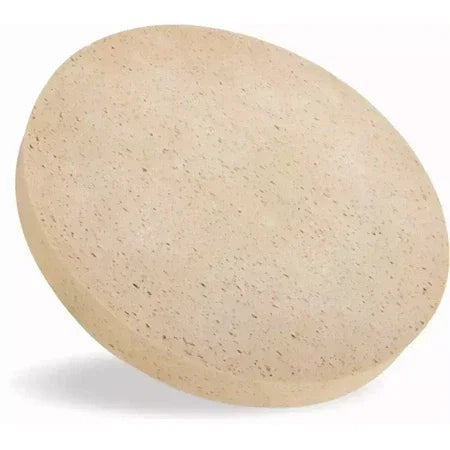
| Finishing pass on wall surfaces | DED77671 sponge disc | Supplied with machine |
| Larger unevenness, or plaster that has dried too far | DED77670 plastic disc with mesh | Supplied with machine |
| Heavy first-pass abrasive work | Grid 16 coarse sanding pad | Coarse grade |
| Refinement pass after the coarse grade | Grid 24 fine sanding pad | Quote on collection page |
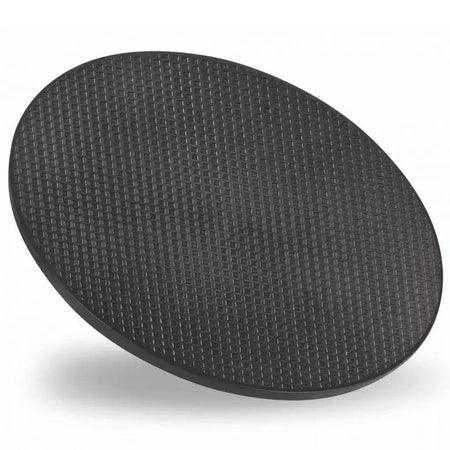
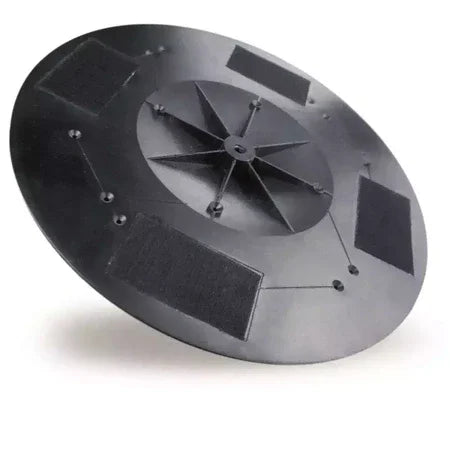
| Replacing the plate the wear discs attach to | DED776701 mounting disc | Hook-and-loop face |
| Either disputed-code disc | Replacement pad DED77674 or DED77675 | Order by code |
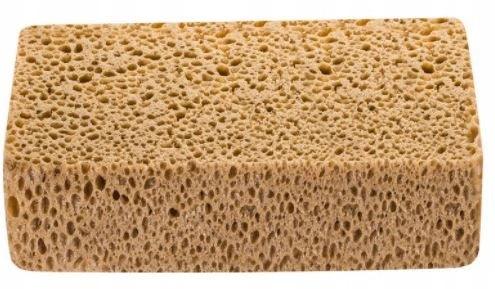
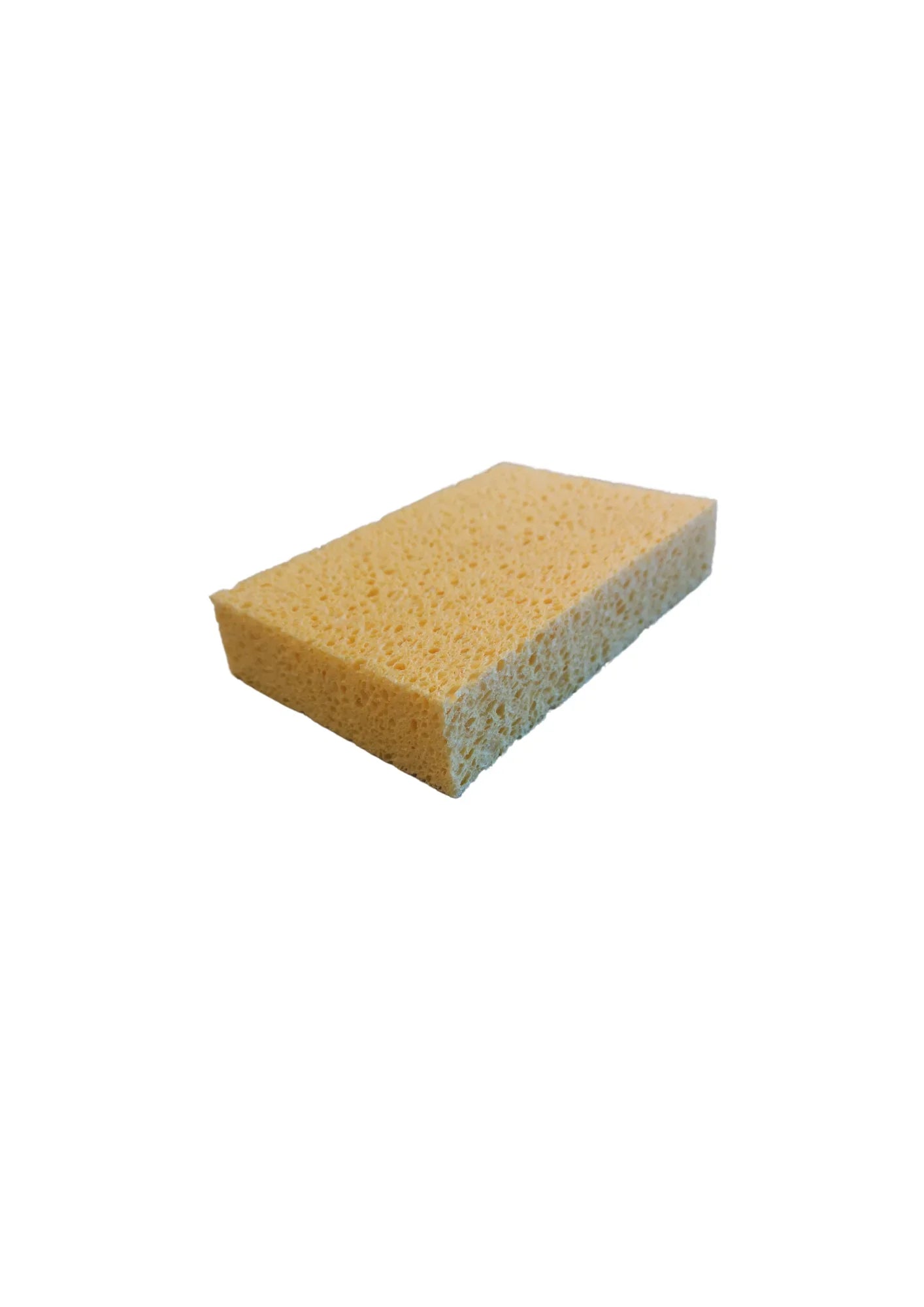
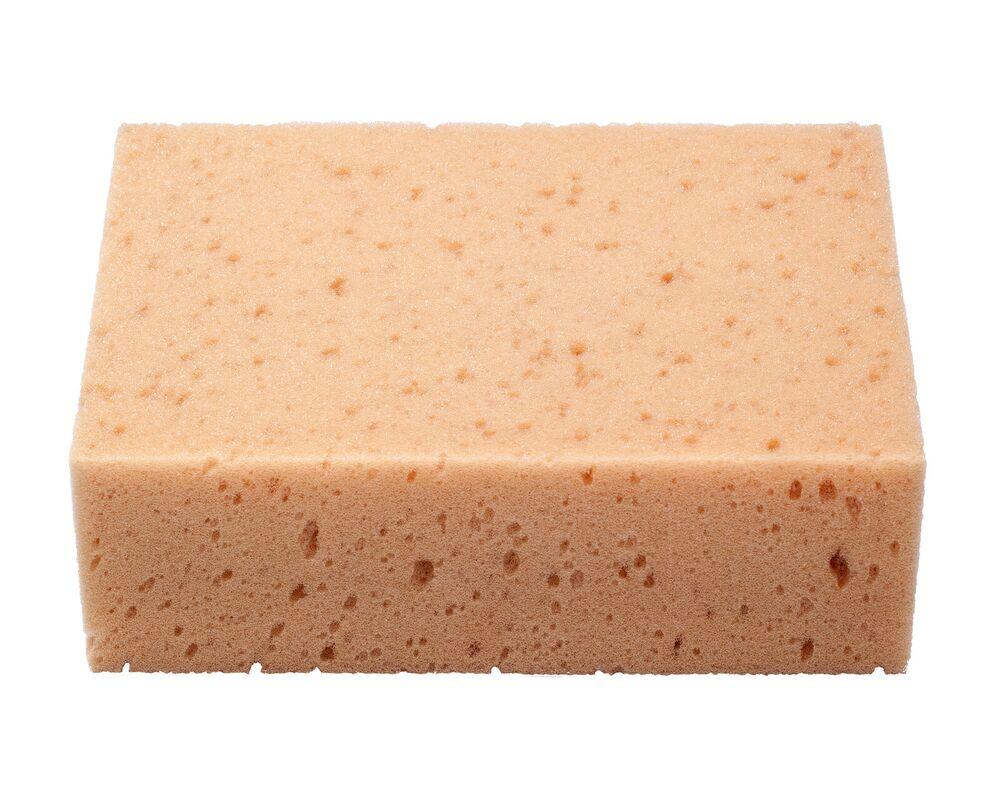
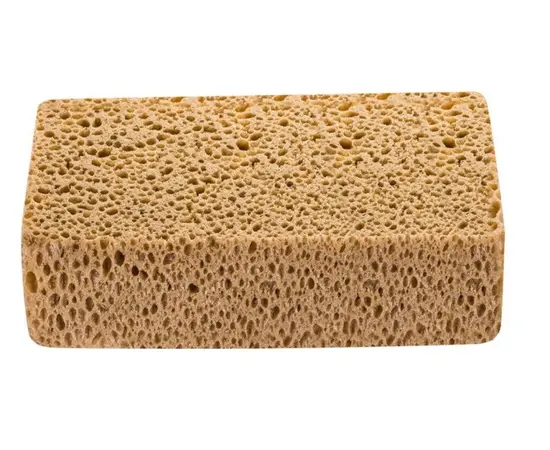
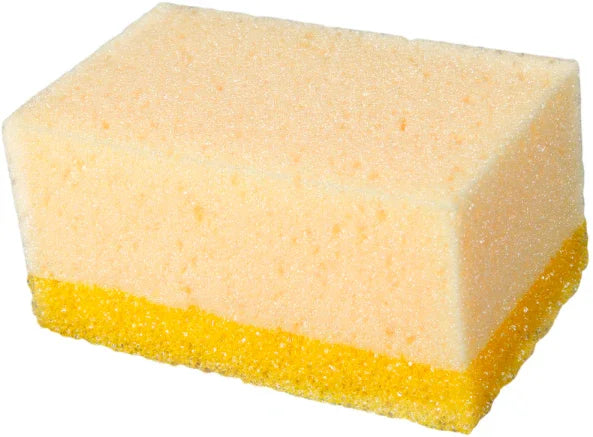
| Reveals, beads and detail zones the disc cannot reach | KAEM large grouting sponge | Sold per sponge |
A first working kit from Renders World is the machine plus what ships with it. The manual lists the mounting disc, a sponge disc and a plastic disc with mesh in the box, so the separate sponge and plastic discs are replacements rather than first purchases. Add both grit stages and a hand sponge for abrasive and detail work, with the grid 24 disc still to confirm.
How to Use the Machine on Plaster and Render
The manual's operating sequence is short and specific, and following it is what protects both the finish and the motor. Every preparatory step is carried out with the machine disconnected from the supply.
- Assemble before first use: fit the mounting disc onto the spindle, matching the hole to the spindle shape, and tighten it with the screw; wear discs then attach to that plate by hook-and-loop.
- Start it off the wall: hold it horizontally with no contact against the surface, press and hold the safety button on the left of the main handle, then the trigger.
- Let it reach full speed before beginning to float — the manual is explicit that work does not start until maximum speed is reached.
- Guide it in semicircular movements with a stable stance, feet slightly apart and torso leaning in, matching pressure to the work and checking the surface as you go; dampen the plaster if needed.
- Never leave it idling or connected unattended, and unplug at the end of work.
Two maintenance intervals come straight from the document and are worth diarising: check the carbon brushes no less often than every 20 to 30 hours of use, and replace them once shorter than 5 mm, since they carry no wear limiter. Clearing the motor air inlets matters as much — the manual flags it as very important and recommends compressed air. Where the surface is prepared before rendering, the EPS adhesives basecoats range is what the machine is working on, and the finish that follows comes from the silicone render range. For technique across stages, the power float technique and tool selection guide works through the sequence, and residue left after finishing moves into the render cleaning products range.
Machine or Hand Work — Deciding What the Job Needs
- Take the machine where panels are large and uninterrupted: a 390 mm disc at 110 min⁻¹ covers ground a hand float cannot, within the S2 15-minute duty cycle the manual specifies.
- Take hand sponges into the detail zones: reveals, beads and verge trims sit inside the 390 mm disc's turning circle, and the KAEM range covers them in three sizes.
- Check the accessory list before assuming a pad is standard: the manual's own accessory list runs to three separately sold discs and is shorter than the range stocked here, so pad availability is a supplier question rather than a manufacturer one.
- Mains only: at 230 V corded with a 1 mm² minimum cable and a 10 A type C fuse, sites without mains access need a different platform.
- Keep the plate in the kit: the mounting disc is the plate every wear disc attaches to, so a spare keeps the whole pad range usable.
FAQ — Duty Cycle, Compatibility, Maintenance and Dust
How many pads does a first kit need?
Fewer than most buyers expect. The manual lists the machine, mounting disc, plastic disc with mesh, sponge plate, a set of screws, a screwdriver and carbon brushes as supplied, so a first kit needs nothing added for floating work. Abrasive stages need the grit discs, and one hand sponge for detail zones makes a practical addition.
Can it run continuously across a full elevation?
Its declared working condition is S2, 15 minutes, so plan in working periods with cool-down between them rather than one continuous run. Working in planned sections suits render timing anyway, and it is the straightforward way to stay inside what the manufacturer specifies.
Do the pads fit other machines?
The mounting disc is screw-fixed to this spindle and the wear discs attach to it by hook-and-loop, so the fit is specific to this platform and its 390 mm plate. Confirm your machine model before ordering, since the manual describes only this assembly.
What maintenance does it need on site?
Clear the working residue after every session and keep the motor air inlets clean, which the manual singles out as very important. Check the abrasive disc for wear before each start, verify the carbon brushes every 20 to 30 hours, replace them below 5 mm, and store the machine out of reach of children. The manual also lists blocked vents and worn brushes as the causes of overheating and poor sanding efficiency.
What protective equipment does the manual require?
Eye protection, respiratory protection and hearing protection, the last of which follows from the declared 83.4 dB(A) sound pressure. The manual also warns of mechanical hazards and notes the machine is Class II with IP20 ingress protection, so damp conditions are avoided — a point worth planning around on exterior work.