
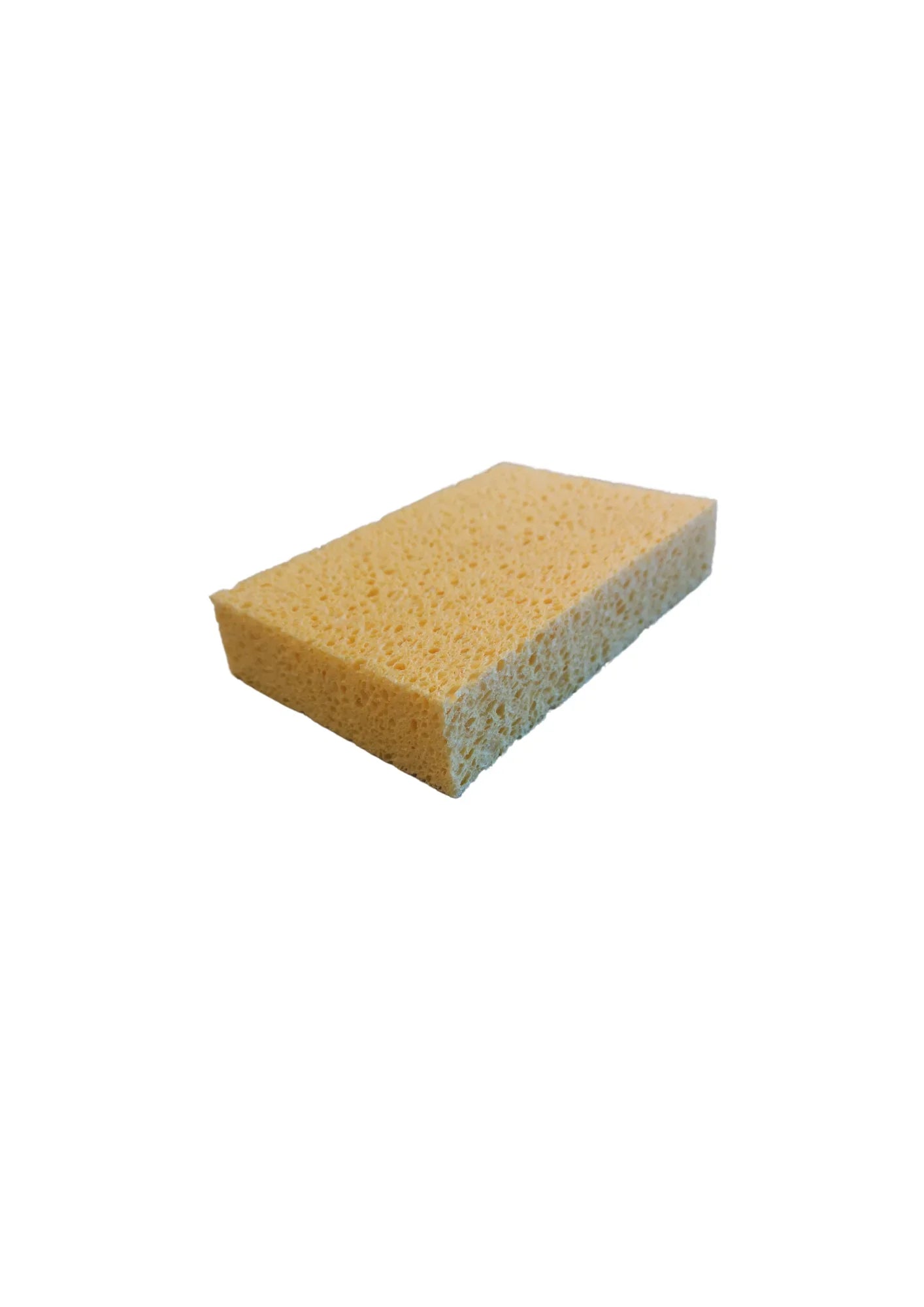

Description
This epoxy grout sponge is INSTAR's cellulose sponge for tiling, code 10-0324, in the 150 × 100 × 30 mm size. The maker builds it mainly for washing off cement and epoxy grouts and for cleaning tiles while they are being laid. Renders World stocks it in the range of finishing sponges, pads and power floats.
Epoxy Grout Sponge 10-0324: What the Maker States
| Property | Value |
|---|---|
| Maker and code | INSTAR 10-0324 |
| Size | 150 × 100 × 30 mm |
| Material | Cellulose |
| Barcode (EAN) | 5905280130865 |
| Packed | One per carton, 2,400 to a pallet |
| Made for | Cement and epoxy grout wash-off, tile cleaning |
| Also suited to | Painting, wallpapering, finishing work |
The barcode on the Renders World listing is the same 5905280130865, so the sponge in the box is the one the maker describes. INSTAR prints no pore grade, density, absorbency figure or weight for this code and offers no downloadable product sheet for it, so the table stops at what the maker publishes.
Cement and Epoxy Grout: What the Sponge Does
Epoxy grout is the reason to choose this epoxy grout sponge over a general one. INSTAR names epoxy grout in the scope of this cellulose sponge, while its synthetic 10-0322 sponge is described for grout in general.
- What it removes: surplus grout, remains of mortar and dirt left on the tiles, along with excess water.
- How it handles water: specially profiled edges keep more water inside the sponge and limit dripping as you work.
- Why that matters on fresh joints: the maker states that keeping the water inside the sponge helps leave fresh grout in the joint instead of washing it out.
The finish INSTAR aims for is a clean tile face without streaks or water marks, which is what an epoxy grout sponge has to deliver on a grout that sets hard once left.
How long to wait before washing, and how often to change the water, is set by the grout rather than the sponge, so the grout's own instructions decide when the sponge goes on. Grouts, sealants and tile silicones are in the grout and silicone range.
Cellulose 10-0324 or Synthetic 10-0322
Renders World also carries INSTAR's synthetic 10-0322 sponge, and the maker describes the two codes differently.
| What the maker states | Cellulose 10-0324 (this sponge) | Synthetic 10-0322 |
|---|---|---|
| Material | Cellulose | Synthetic, open-cell with large pores |
| Size | 150 × 100 × 30 mm | 170 × 110 × 60 mm |
| Grout named | Cement and epoxy grouts | Grout after tiling, type not named |
| Design point | Profiled edges that hold water and limit dripping | Large pores that collect excess grout |
| Uses beyond tiling | Painting, wallpapering, other finishing work | None named |
For epoxy grout, or for work where drips would mark finished surfaces below, this cellulose epoxy grout sponge fits the maker's description. For washing larger tiled areas after cement grout, the maker of the synthetic 170 × 110 × 60 mm tiling sponge points to its bigger grip and large pores.
Made for Tiling, Not for Render
INSTAR writes this sponge up for tiling first and lists painting, wallpapering and similar finishing work as further uses. It names no use on render, plaster or a textured facade.
- Buy it for: grouting with cement or epoxy grout, washing down tiles, and wiping up water and dirt in decorating work.
- Look elsewhere for: machine floating of render, where the same collection carries the power float with its discs and pads.
Durability and Replacement
The maker describes the sponge as a professional tool that stands up to intensive use, and suitable for home use as well.
- Durability: high resistance to intensive use, according to INSTAR.
- Absorbency: described as very high, with no figure given.
- Replacement: no interval is published, so a sponge is changed when it stops lifting grout cleanly.
Ordering the Right Sponge by Code
Hand sponges for tiling are sold under many near-identical names, and a request for a sponge for grouting can mean several materials and sizes.
- Code and barcode: INSTAR 10-0324 with 5905280130865 identifies this one exactly.
- Single units: packed one per carton, so a single sponge ships as a single unit.
- Trade quantity: a full pallet holds 2,400.
Ordering, Delivery and Returns
Renders World processes orders the same day when the stock is there.
- Delivery: quoted by the team after the order, always kerbside. Small parcels up to 25 kg go next day.
- Collection: from the counter at Unit 9A, Central Trading Estate, Southampton SO14 5JP, Monday to Friday 7am to 5pm and Saturday 7am to 12pm.
- Returns: goods bought directly from Renders World can go back within 14 days in their original condition; special orders and promotion purchases are excluded.
FAQ
Can this sponge be used on epoxy grout?
Yes. INSTAR names cement and epoxy grouts as the main use for the 10-0324 cellulose sponge. The grout's instructions set the washing time.
What size is the 10-0324 sponge?
150 × 100 × 30 mm, according to the maker's product table.
What is it made of?
Cellulose. The maker gives no density or absorbency figure for it.
Is it made for render?
No. It is described for tiling, with painting, wallpapering and other finishing work as further uses, and no use on render or plaster.
How is it packed?
One sponge per carton and 2,400 to a pallet, with barcode 5905280130865.
Technical Documentation