WALL PRIMERS
10 products
Showing 1 - 10 of 10 products
Exterior Render Primers UK — Professional Substrate Preparation for Lasting Facades
Product Overview — What This Category Covers
An exterior render primer is the preparation coat applied before a silicone, acrylic, or silicone-silicate topcoat to ensure the finish bonds evenly, dries at a uniform rate, and stays crack-free for decades — and this collection within the wider rendering materials range at Renders World brings together the two primer families that professional UK installers rely on every day. Deep-penetrating liquid primers soak into porous or dusty masonry to stabilise the substrate and regulate suction, while quartz-filled priming masses deposit a rough, aggregate-loaded surface that gives the decorative topcoat a reliable mechanical grip. Matching the right primer to the wall type and the chosen render system is one of the simplest ways to guarantee an even, professional-grade finish on any UK facade project.
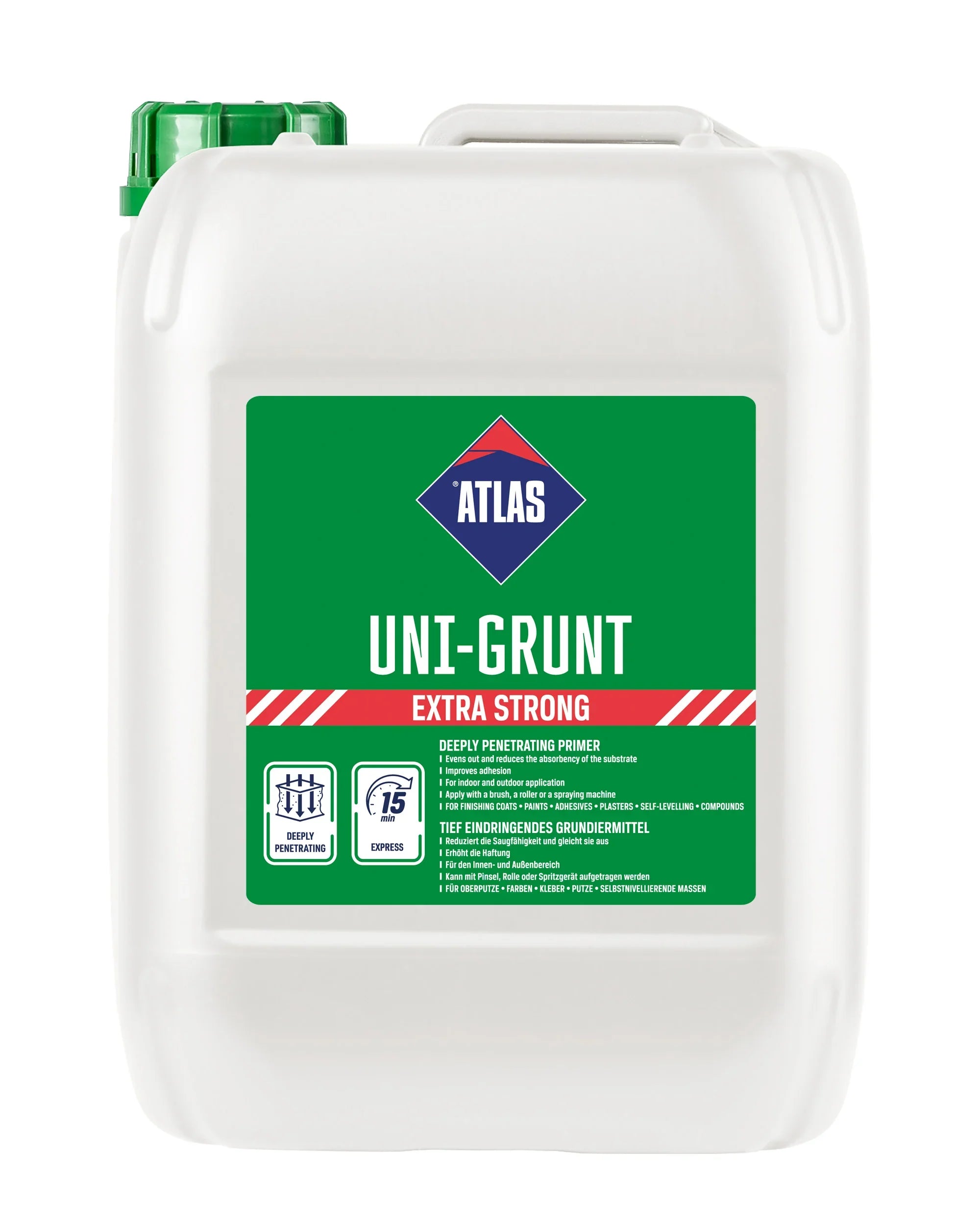
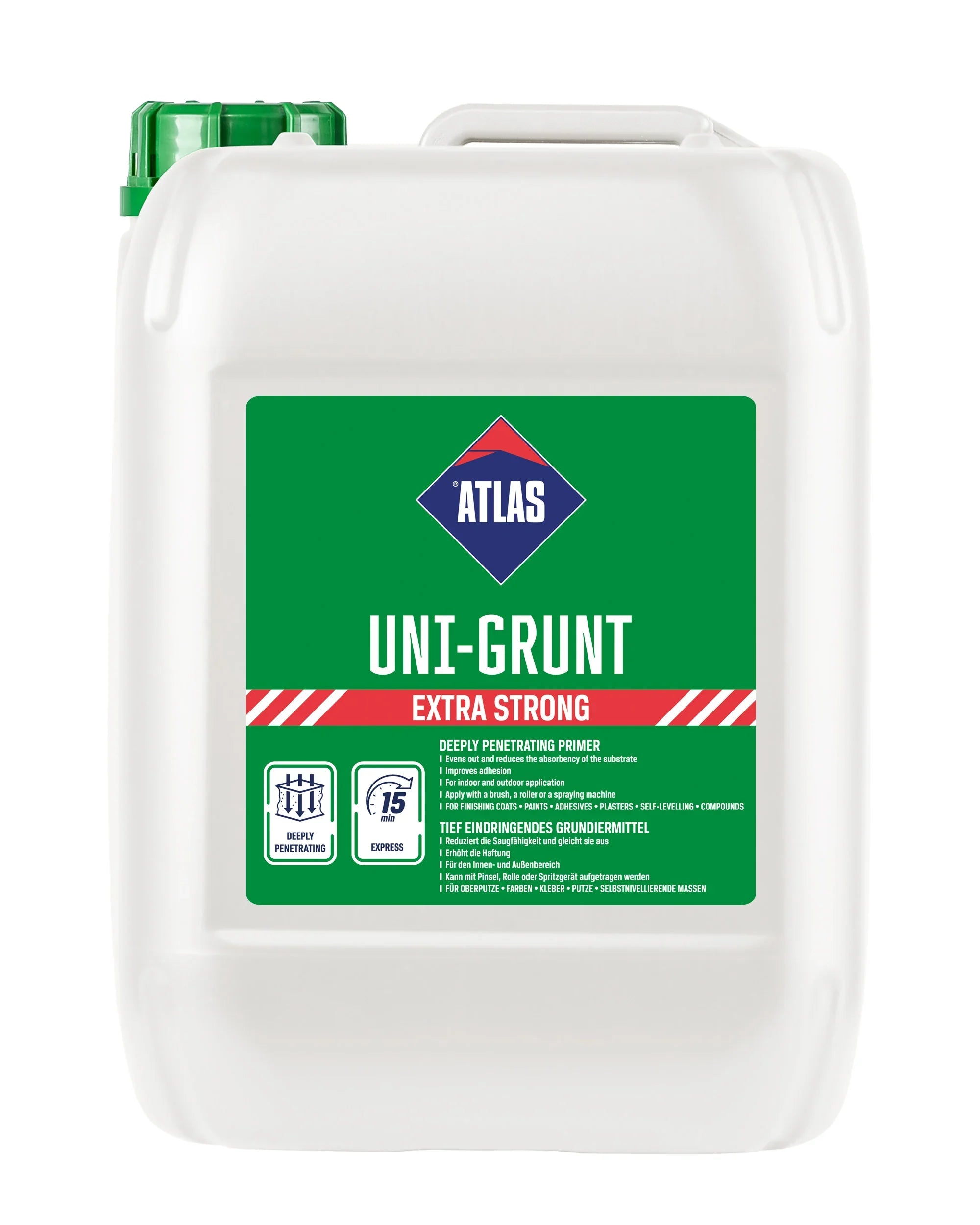
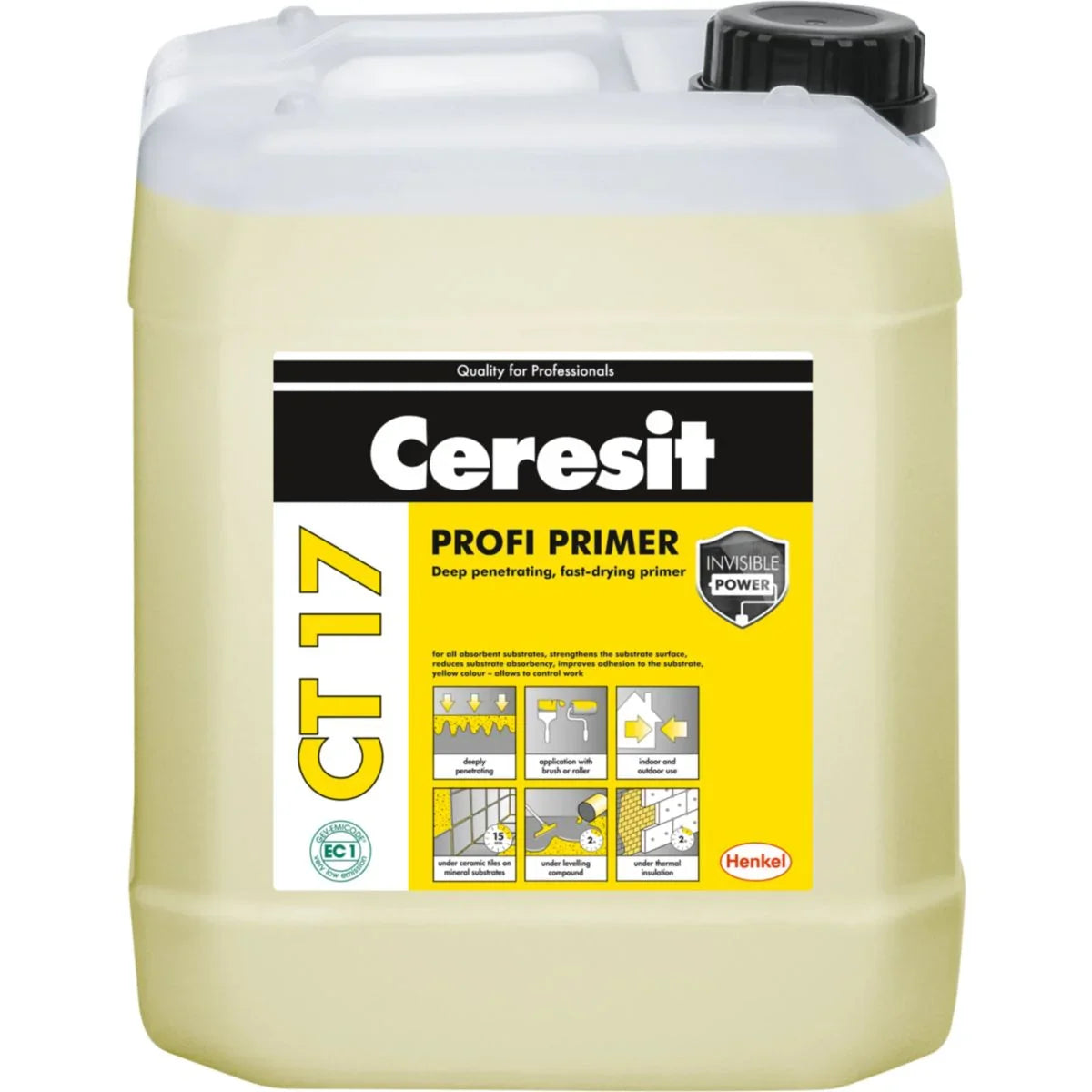
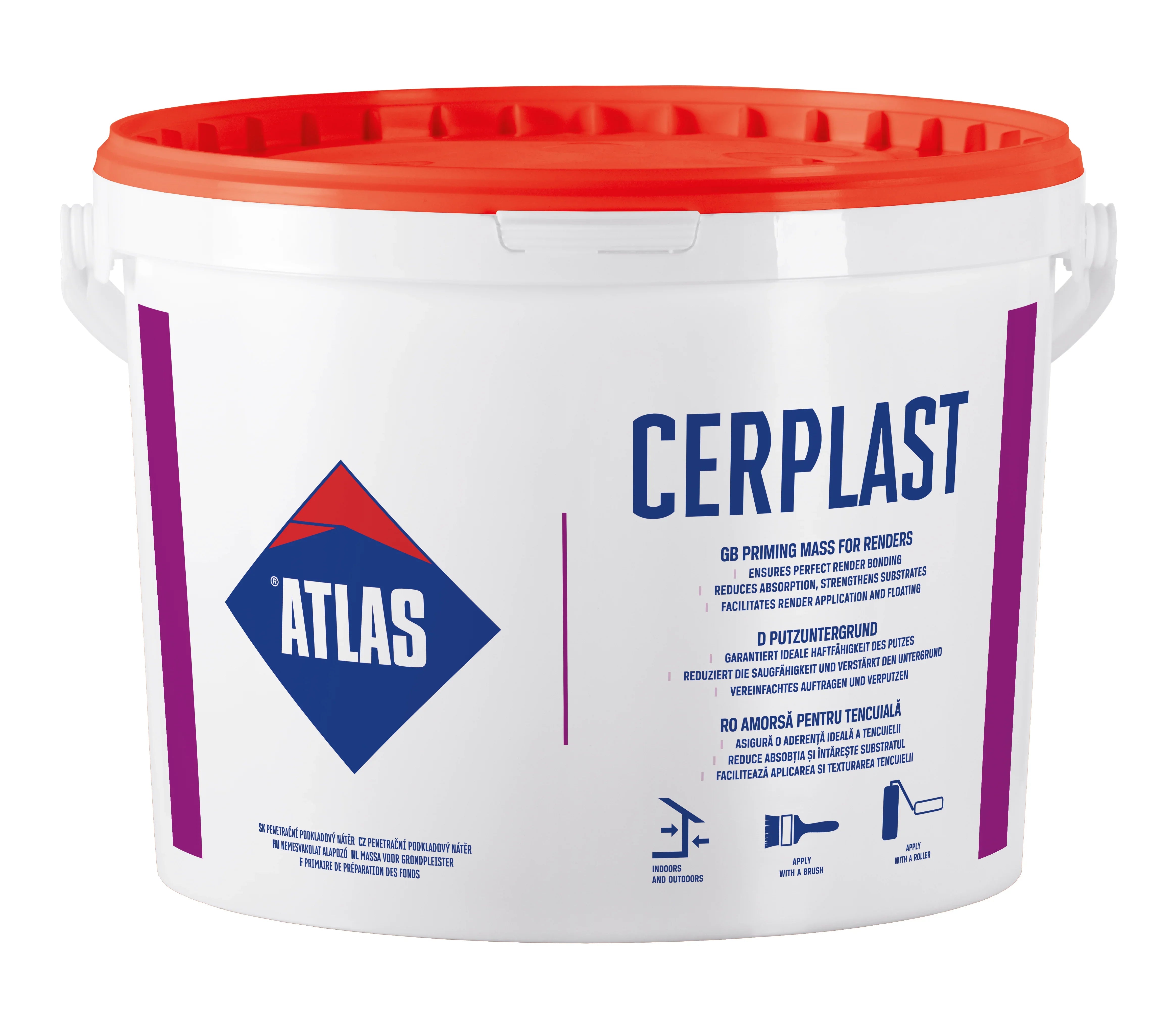
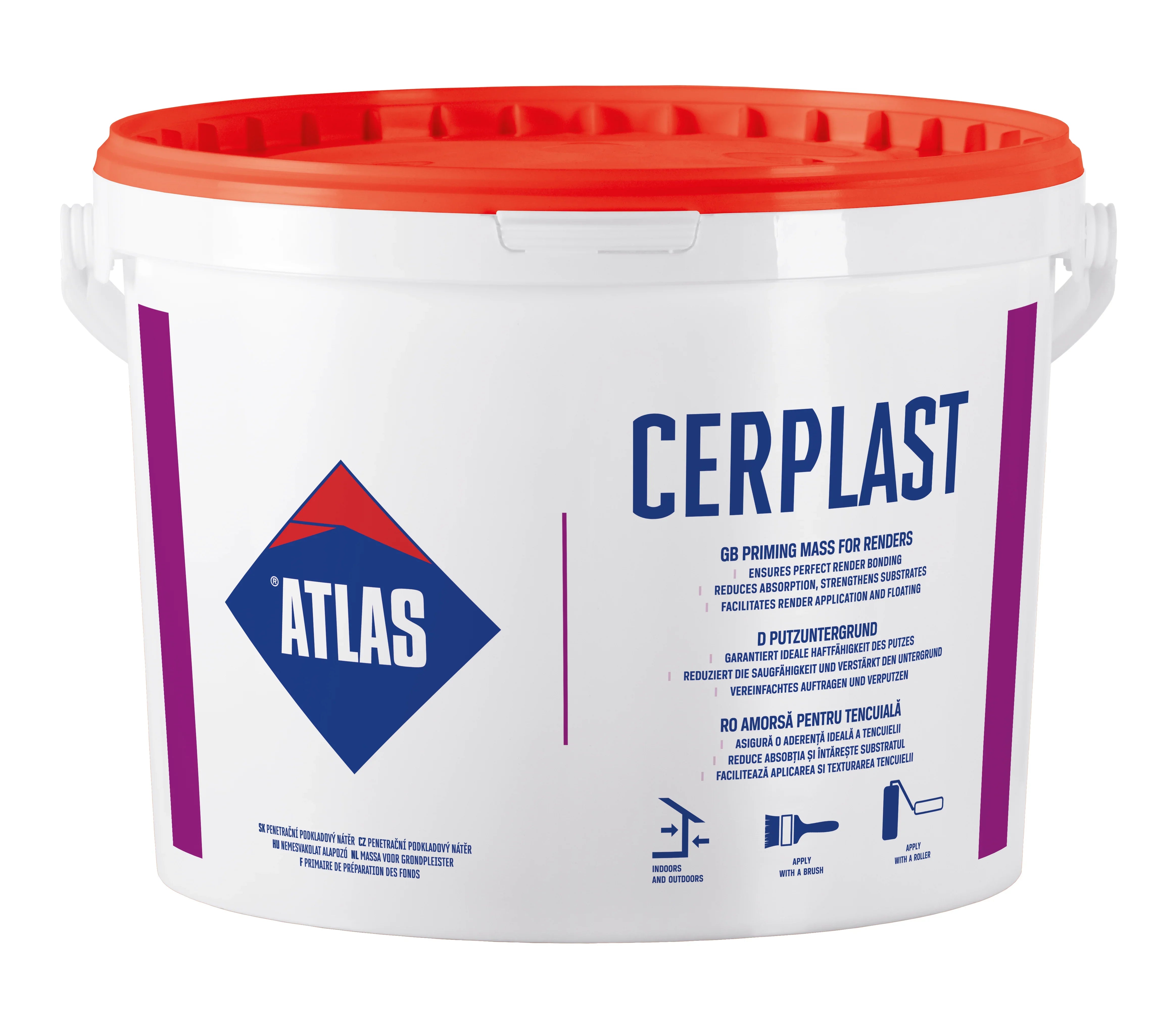
Quartz primers keep your render firmly in place from the moment it touches the wall — products like Ceresit CT16 and Atlas Cerplast deposit fine sand-like particles onto the surface, creating a tactile "sandpaper" texture (what installers call a "mechanical key") that prevents the wet render from sliding during application. Deep-penetrating consolidators like Atlas Uni-Grunt and Ceresit CT17 Profi take a different approach: they soak into the pore structure of the masonry, binding loose dust and evening out absorption so that the render dries at the same rate across an entire elevation. On most certified EWI and thin-coat render systems, both primer types play a role — the consolidator goes onto bare masonry before the adhesive stage, and the quartz coat goes onto the cured basecoat before the decorative topcoat.
Key Benefits & Technical Advantages
- Crack-Free, Consistent Drying: A primed surface absorbs moisture from the wet render at a controlled, uniform rate, which means every section of the facade cures at the same speed — delivering an even texture and colour free from the map-cracking that occurs when suction varies across patched or mixed-masonry walls.
- Reliable Long-Term Bond: Quartz-aggregate primers achieve adhesion values above 1.0 MPa on concrete (independently verified to ETA and BBA standards), locking the render system to the substrate through freeze-thaw cycles, thermal expansion, and decades of UK weather exposure so the finish stays securely in place.
- Reduced Render Consumption: A properly sealed substrate draws less water from each bucket of wet topcoat, which means the full rated coverage area is achieved — installers typically report a 15–20 % reduction in render consumption after correct priming, saving material cost on every project.
- Same-Day Workflow: Express-drying formulas such as Atlas Uni-Grunt allow adhesive application after just 15 minutes, while quartz primers cure in 4–6 hours — enabling a prime-in-the-morning, render-in-the-afternoon schedule on suitable days, which keeps the project on track and scaffolding costs down.
- True Colour Accuracy: Tintable quartz primers (Atlas Cerplast is available in up to 400 tinted shades) mask the grey or brown tone of the cured basecoat so it cannot bleed through a light-coloured or pastel topcoat, ensuring the finished facade matches the colour chart sample the homeowner selected.
- Full System Certification: Every primer in this collection is specified within BBA- and ETA-certified facade systems (for example, BBA Certificate 13/5018 for the Atlas ETICS system), which gives developers, contractors, and warranty providers documented evidence that the build-up has been approved as a complete, tested assembly.
- Safe, Low-VOC Application: All products are water-based, solvent-free, and carry VOC levels well below UK regulatory thresholds (Atlas Uni-Grunt measures just 1.92 g/l — fifteen times under the 30 g/l limit), making them suitable for use on occupied buildings without specialist ventilation or protective equipment.
Technical Specifications / Selection Guide
Choosing the right render primer UK comes down to three questions: what is the wall or basecoat surface, what topcoat system comes next, and how quickly does the project need to move forward. The selection guide below maps every primer in the collection to its ideal use case — start with the "Best For" column to narrow the choice, then check coverage and drying time to plan quantities and scheduling.
| Primer | Type | Coverage | Drying Time | Temp Range | Best For |
|---|---|---|---|---|---|
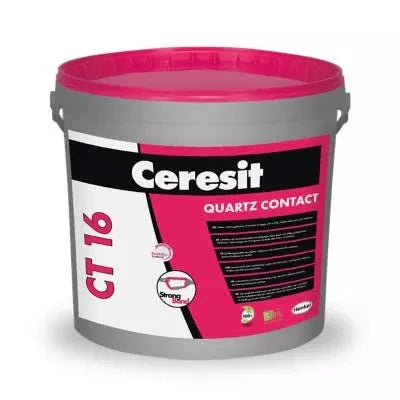
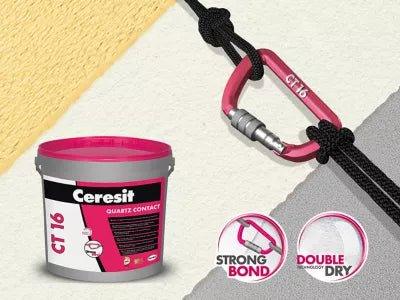
| Ceresit CT16 Quartz 10 L | Quartz-filled adhesion coat | ~0.3 kg/m² | 4–6 hrs | +5 °C to +30 °C | Grip coat under Ceresit renders (CT74, CT76, CT174) on cured EWI basecoats |
| Atlas Cerplast 25 kg (75 m²) | Quartz-filled priming mass | ~0.3 kg/m² (75 m² per 25 kg) | 4–6 hrs | +5 °C to +30 °C | Grip coat under Atlas silicone, acrylic-silicone, and mosaic renders; tintable to 400 shades |
| Atlas Cerplast 15 kg (45 m²) | Quartz-filled priming mass | ~0.3 kg/m² (45 m² per 15 kg) | 4–6 hrs | +5 °C to +30 °C | Mid-size projects using the Atlas render system; same formula as the 25 kg in a smaller pack |
| Atlas Uni-Grunt 10 kg (100 m²) | Deep-penetrating consolidator | 0.05–0.2 kg/m² (up to 100 m² diluted 1:3) | 15 min (adhesives); 2 hrs (renders) | +5 °C to +30 °C | Sealing dusty or absorbent brick, block, and plaster before adhesives, basecoats, or paint |
| Atlas Uni-Grunt 5 kg (50 m²) | Deep-penetrating consolidator | 0.05–0.2 kg/m² (up to 50 m² diluted 1:3) | 15 min (adhesives); 2 hrs (renders) | +5 °C to +30 °C | Same formula as the 10 kg in a mid-size pack; ideal for smaller elevations or single-room jobs |
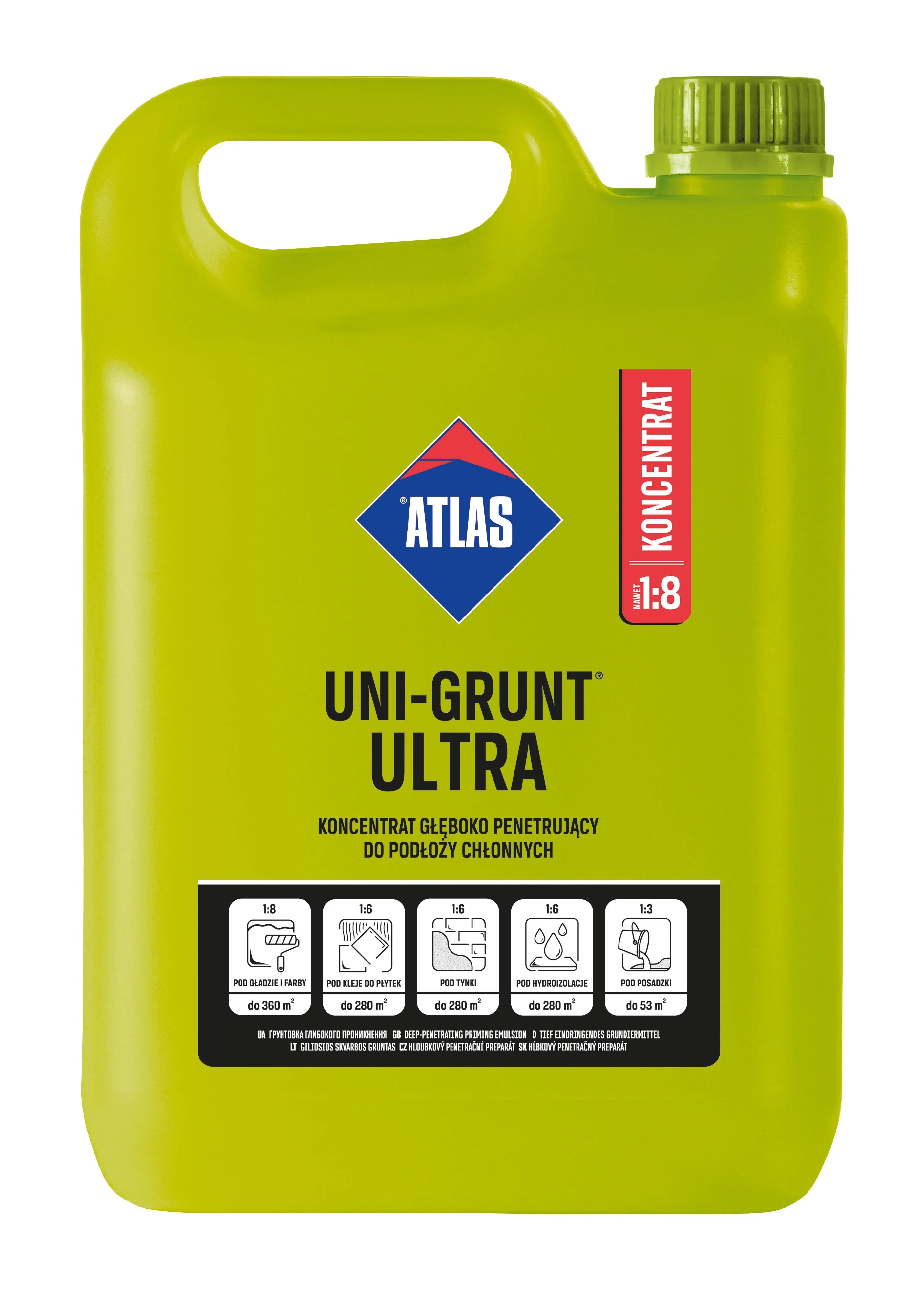
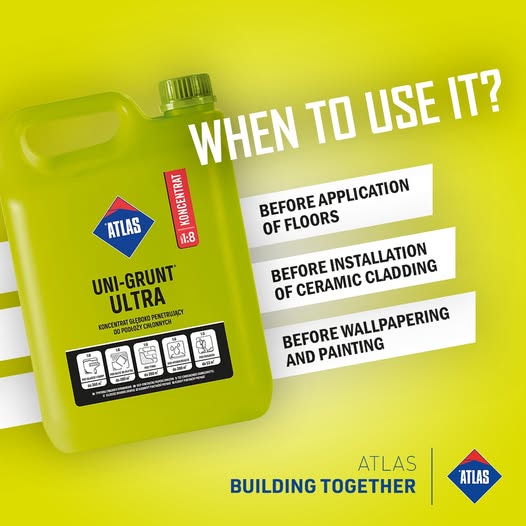
| Atlas Uni-Grunt Ultra 4 kg | Concentrate deep-penetrating | 0.022–0.075 kg/m² (up to 280 m² for topcoats) | 15 min (adhesives); 2 hrs (floors) | +5 °C to +30 °C | Large-area projects where high yield matters; pigmented so coverage progress is visible on the wall |
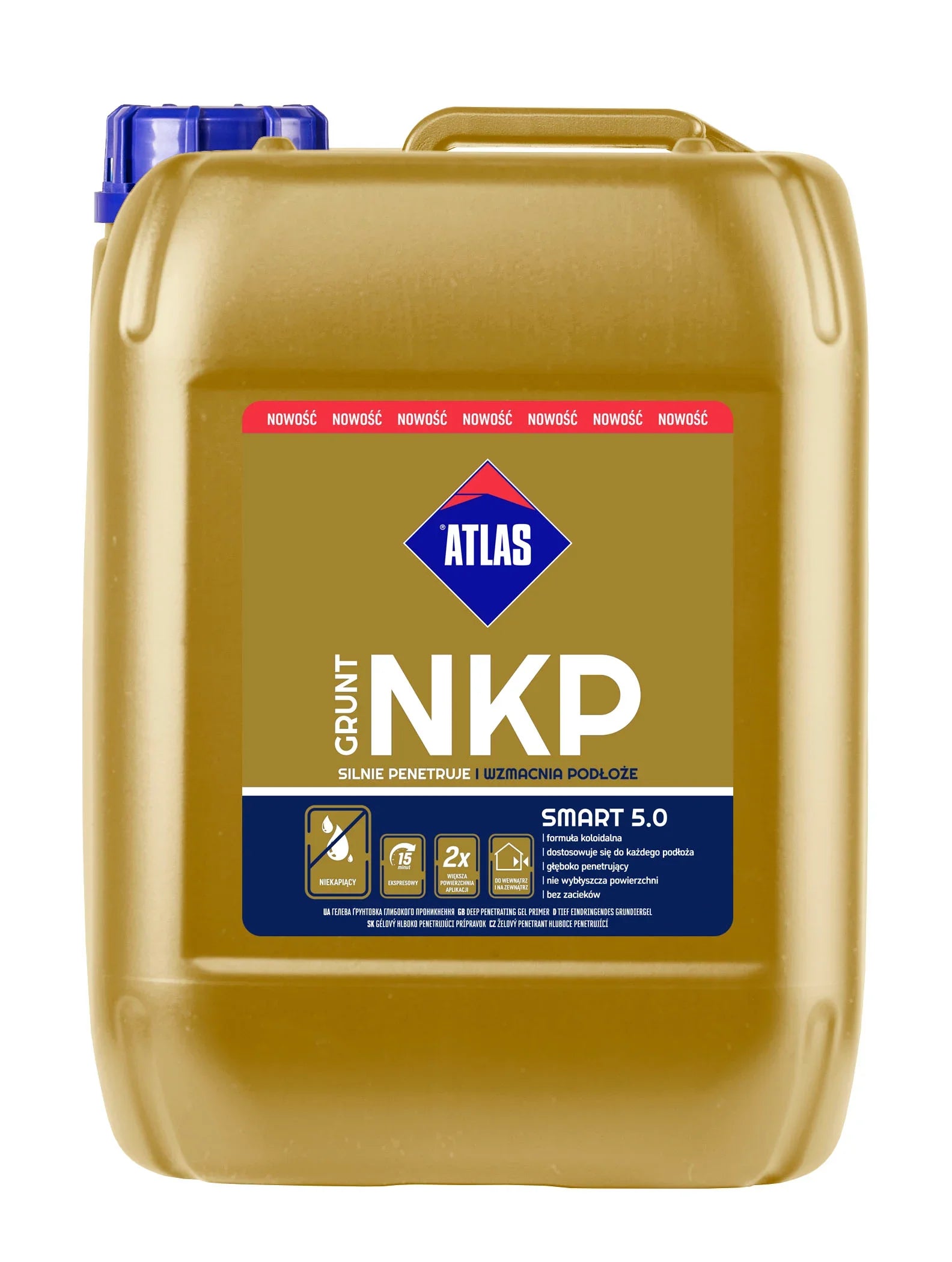
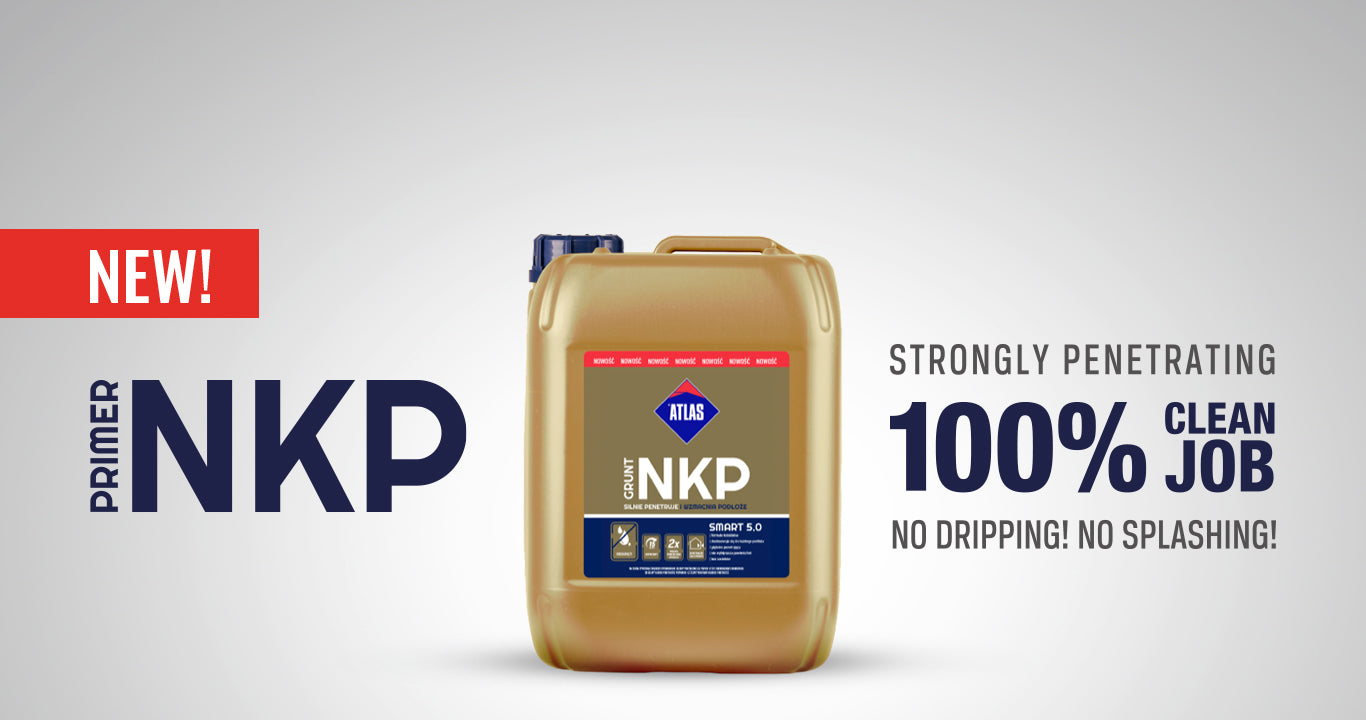
| Atlas NKP 5 kg | Colloidal gel consolidator | Ready-to-use, no dilution | 15–90 min (substrate-dependent) | +5 °C to +30 °C | Overhead and vertical work where dripping is a problem; no-drip gel consistency for cleaner application |
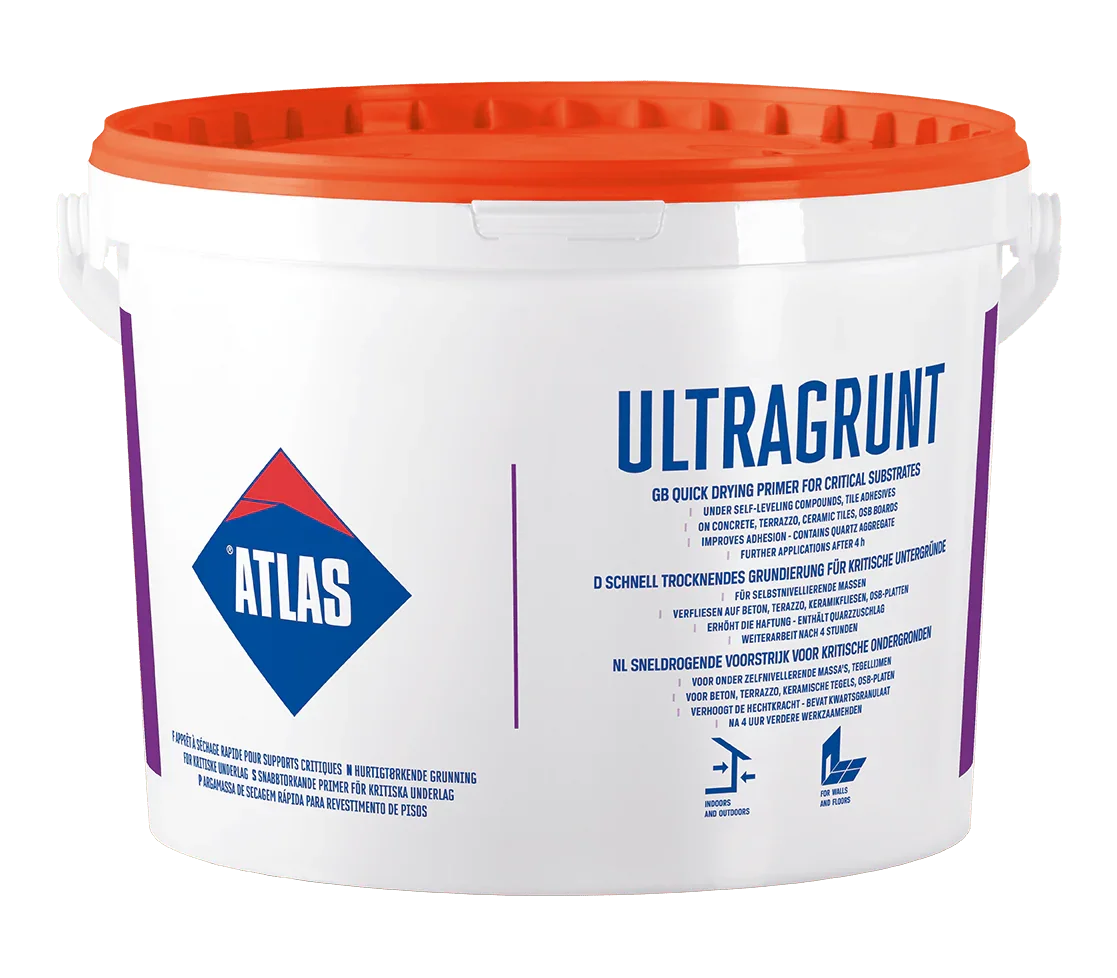
| Atlas Ultragrunt 5 kg | Quartz-aggregate heavy-duty | ~0.3 kg/m² | ~4 hrs | +5 °C to +35 °C | Difficult surfaces where standard primers lack grip: terrazzo, ceramic tiles, OSB, smooth concrete |
| Ceresit CT17 Profi 5 L | Deep-penetrating liquid | 0.1–0.5 l/m² | ~2 hrs (15 min for tile adhesive on cement) | +5 °C to +25 °C | General-purpose consolidation for floors, walls, and ceilings; yellow tint shows coverage on site |
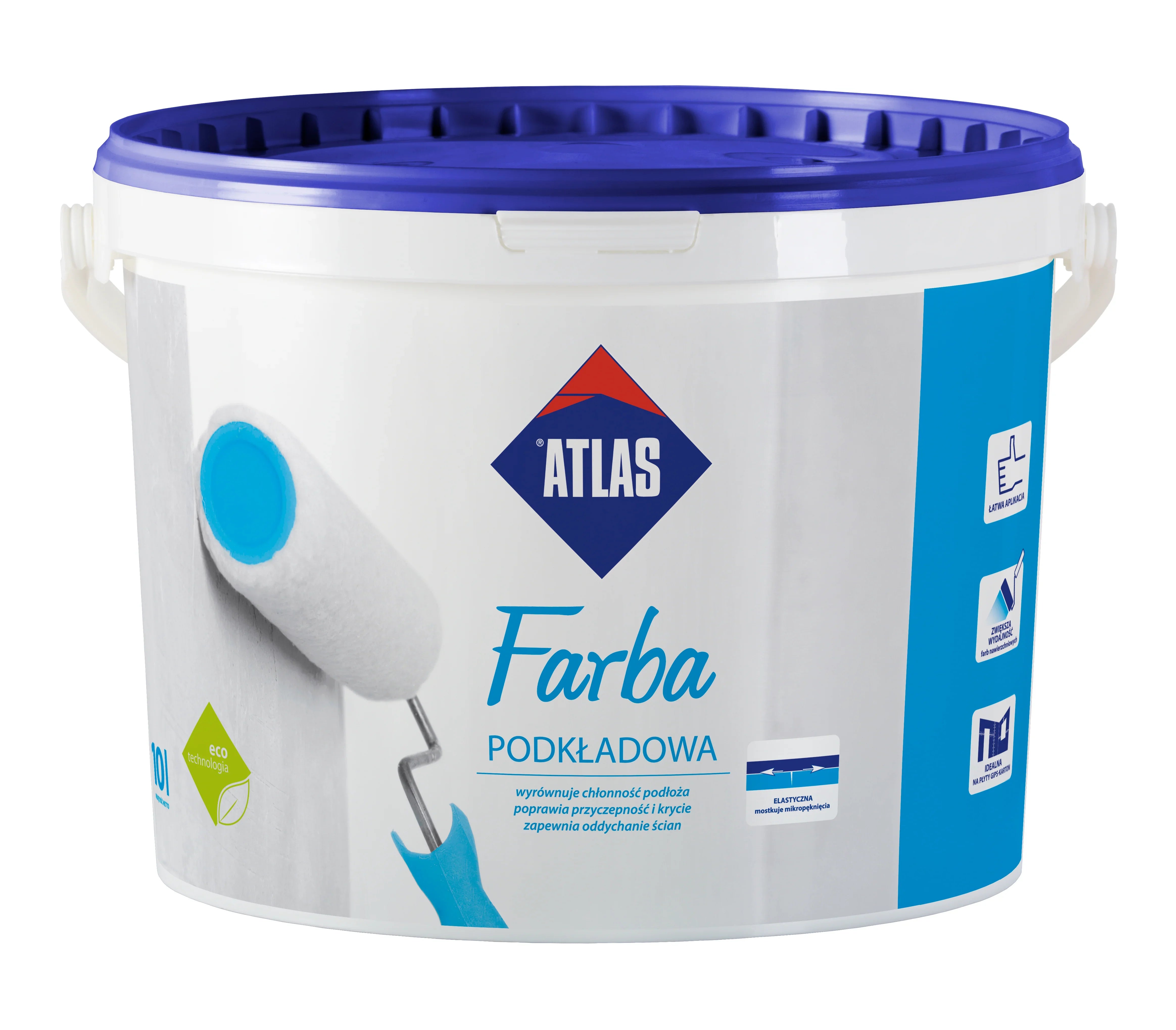
| Atlas Base Coat Paint 10 L | Acrylic base coat / primer | Substrate-dependent (consult TDS) | ~2 hrs | +5 °C to +25 °C | Base coat before concrete effect renders; fills micro-cracks up to 100 µm and masks substrate colour |
Application & System Compatibility
Using the primer that is specified within the same certified system as the render topcoat keeps every layer chemically compatible, maintains the manufacturer's warranty chain, and satisfies BBA or ETA documentation requirements — which is particularly important for developers and contractors who need to demonstrate compliance at Building Control sign-off. The pairings below cover the main render families available from Renders World, along with primer guidance for non-standard substrates.
- Ceresit certified systems (CT74 silicone, CT76 Solar Protect, CT174 silicate-silicone): specify Ceresit CT16 Quartz as the mandatory grip coat on the cured basecoat before the render topcoat. CT17 Profi seals the bare wall before insulation boards are bonded on, but it does not replace the quartz coat that gives the final decorative render its grip — the two products work at different stages of the build-up. A detailed walkthrough of how each primer fits into its system is available in the primer-to-render pairing guide.
- Atlas certified systems (Atlas Silicone, Gemini RS, Silicone-Silicate, Acrylic): specify Atlas Cerplast beneath the topcoat for the aggregate grip, and use Atlas Uni-Grunt or Atlas NKP to consolidate the masonry before bonding insulation boards. The Cerplast can be tinted to match the final render shade, which eliminates basecoat show-through on pastel or light finishes.
- Difficult or non-standard surfaces (terrazzo, ceramic overcoats, OSB, smooth poured concrete): these low-porosity surfaces do not absorb primer in the normal way, so they require Atlas Ultragrunt, which deposits coarse quartz aggregate to create a physical grip — achieving bond strength above 1.0 MPa on terrazzo and ceramic tiles where standard quartz primers would simply pool on the surface without bonding.
- Concrete effect and decorative render systems: pair Atlas Base Coat Paint 10 L with the Cermit WN or Silkon BA ranges for a unified colour base, reducing bleed-through on translucent concrete-effect finishes. Full application steps are covered in the substrate preparation guide.
- Renovation and overcoating projects: old, dusty, or highly absorbent brick and block benefit from a two-coat priming sequence — a diluted first pass to penetrate deeply into the masonry, followed by a full-strength second coat to seal the surface and equalise suction across the elevation. Where the wall includes different substrates on the same elevation (blockwork next to old patching next to smoother repair areas), a substrate-by-substrate priming strategy prevents visible drying differences in the finished topcoat.
These primers also prepare surfaces for the full range of silicone render topcoats in the Renders World collection, from standard 1.5 mm grain silicone through to specialist solar-protect and heritage-grade silicone-silicate formulations. Keeping a simple site record of the primer used, batch number, and date of application helps with warranty traceability at sign-off — especially on developer-led projects where Building Control may request documentation of each system layer.
Trade Insight: Pro Application Notes
Experienced installers treat priming as the insurance policy for the entire facade — a twenty-minute step that protects every layer applied above it. Apply quartz primers in a single, even coat with a medium-nap roller, working in sections no wider than one scaffold lift to keep a wet edge and avoid lap marks where a dried film meets fresh product. On hot summer days above 25 °C, prime the shaded elevation first and follow the shade around the building; direct sunlight on freshly applied CT16 or Cerplast can skin the surface before the aggregate has bedded in, reducing the mechanical key by up to 30 %.
For the cleanest result, complete all priming across the full building before starting the topcoat rather than priming and rendering one elevation at a time — this equalises suction across every wall and prevents drying-speed differences that show as colour banding in the finish. In marginal winter conditions, an infrared thermometer on the masonry surface confirms whether the wall is genuinely above +5 °C, because a north-facing substrate can be several degrees colder than the air temperature reading suggests.
Is This Right for Your Project?
- Choose a quartz primer (CT16, Cerplast, or Ultragrunt) if you are applying a coloured silicone or acrylic topcoat over a cured basecoat or smooth masonry — the quartz aggregate creates the rough surface texture these renders need for a permanent, crack-free bond that lasts the full life of the facade.
- Choose a deep-penetrating primer (Uni-Grunt, NKP, or CT17 Profi) if the wall is dusty, porous, or unevenly absorbent and needs stabilising before adhesives, basecoats, or paint can be applied — the consolidator evens out suction so the next coat dries consistently across the whole elevation.
- Consider silicone masonry paints instead if you want to refresh a sound, stable facade without installing a full new render system — silicone paint bonds directly to clean masonry with just a light consolidation prime and offers a vapour-permeable, self-cleaning finish at a lower total project cost.
Frequently Asked Questions
Which primer do I need for silicone render over an EWI system?
A quartz-filled primer is the layer that sits directly beneath the silicone render topcoat on a cured EWI basecoat, and its job is to add grip and regulate suction so the finish applies cleanly and dries evenly across the elevation. For Ceresit render systems, use Ceresit CT16; for Atlas render systems, use Atlas Cerplast. Keeping the primer and the render within the same certified system maintains the full product warranty and satisfies BBA documentation — mixing brands without manufacturer approval removes that protection.
How much primer do I need per square metre?
Coverage depends on the primer type and how absorbent the wall is. Quartz primers (CT16, Cerplast, Ultragrunt) consume approximately 0.3 kg/m² on standard substrates, while deep-penetrating consolidators are far more economical — Atlas Uni-Grunt uses 0.05–0.2 kg/m² undiluted, and the Ultra concentrate covers up to 280 m² per 4 kg bucket when diluted for topcoat preparation. Ordering 10 % extra for highly absorbent or uneven masonry is a worthwhile precaution, because the first square metres of a porous blockwork wall draw noticeably more product than the manufacturer's average figure suggests.
Can I apply render primer in cold weather?
All primers in this collection require a minimum substrate and air temperature of +5 °C during application and throughout the drying period. Applying above this threshold gives the primer film ideal conditions to form a continuous, well-bonded layer — and checking the surface temperature with an infrared thermometer rather than relying on the air reading alone ensures accuracy, because north-facing masonry can sit several degrees below the ambient figure. Detailed seasonal planning advice, including tips for marginal UK winter conditions, is available in the guide to when you can apply silicone render in the UK.
Are these primers safe for use on occupied buildings?
Every exterior render primer in this collection is a water-based formulation with very low volatile organic compound (VOC) content — Atlas Uni-Grunt, for example, measures just 1.92 g/l, which is fifteen times below the UK regulatory threshold of 30 g/l. The products are solvent-free, produce minimal odour during application, and do not release harmful fumes during curing, making them suitable for use on homes, schools, and care buildings while they remain occupied. Once fully dried, the primer film is vapour-permeable (so it allows the wall to breathe rather than trapping moisture), and leftover hardened primer can be disposed of as standard construction waste.
What is the difference between a quartz primer and a deep-penetrating primer?
They serve different jobs in the render system. A deep-penetrating primer (Uni-Grunt, CT17 Profi, NKP) soaks into the bare masonry to strengthen it, lock down dust, and regulate how quickly the wall absorbs moisture from the next coat — evening out suction so the render dries at the same speed everywhere. A quartz primer (CT16, Cerplast, Ultragrunt) stays on the surface and deposits aggregate particles to create a rough, grippy texture that the decorative topcoat holds onto permanently. On a full EWI project, the consolidator goes onto the bare masonry before the adhesive stage, and the quartz primer goes onto the cured basecoat before the render topcoat — so the two products work as a pair at different points in the system build-up.
Do I need to prime before applying insulation adhesive?
Priming bare masonry before the insulation adhesive stage gives the adhesive a stable, dust-free surface with regulated suction, which improves board bond strength and reduces the risk of boards loosening over time. On very clean, consistent new blockwork the adhesive manufacturer may permit omitting the prime, but most professional installers still include it because a single coat of Uni-Grunt adds less than £1 per m² to the project while significantly improving the reliability of the bond. A deep-penetrating consolidator such as Atlas Uni-Grunt is the standard choice for this pre-adhesive stage — it dries in as little as 15 minutes, so it adds very little time to the day's schedule.